


UNDERSTANDING OVERACTIVE URINARY BLADDER: Your Path to Freedom and Confidence
UNDERSTANDING OVERACTIVE URINARY BLADDER: Your Path to Freedom and Confidence
Have you ever felt like your bladder controls your life instead of you controlling it? That sudden, urgent need to rush to the bathroom that comes out of nowhere? The worry about finding a restroom wherever you go? If you’re nodding your head right now, you’re not alone. Millions of people worldwide live with an overactive urinary bladder, and today, we’re going to talk about it like friends sitting over coffee – honestly, openly, and with hope for a better tomorrow.
Living with bladder issues can feel isolating and embarrassing. You might have canceled plans, avoided long trips, or felt anxious in new places. But here’s what I want you to know: this condition is more common than you think, it’s not your fault, and most importantly, there are real solutions that can give you your life back.
What Exactly Is an Overactive Urinary Bladder? 🤔
An overactive urinary bladder, often called overactive bladder or simply OAB, is when your bladder muscles squeeze too often or at the wrong times. Think of your bladder like a balloon that’s supposed to fill up slowly and empty when you decide it’s time. But with an overactive bladder, it’s like having a balloon that keeps trying to deflate itself before it’s full.
When you have this condition, your bladder sends “empty me now!” signals to your brain even when it’s not full. This creates that sudden, strong urge to urinate that can be difficult or impossible to ignore. Sometimes, you might even leak urine before reaching the bathroom – this is called overactive bladder urge incontinence.
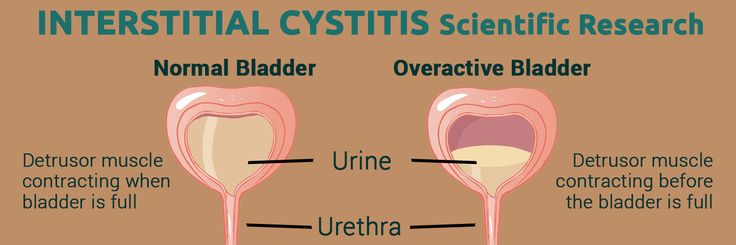
The medical world uses the term “overactive b” or gives it a specific code (overactive bladder icd10: N32.81) for insurance and medical records. But beyond these technical terms, what really matters is how it affects your daily life.
The Tell-Tale Signs: How Do You Know? 🚨
Your body has its own way of telling you when something isn’t quite right. With an overactive bladder, the signs are usually pretty clear:
Sudden, Strong Urges
This isn’t the gentle “I should probably use the bathroom soon” feeling. This is more like “I need to find a bathroom RIGHT NOW!” It comes on suddenly and feels impossible to ignore.
Frequent Bathroom Visits
If you’re going to the bathroom more than eight times during the day or waking up more than twice at night, your bladder might be more active than it should be.
Leaking Before You Make It
Sometimes, despite your best efforts, a little urine escapes before you reach the bathroom. This isn’t a sign of weakness or poor planning – it’s a symptom of your condition.
Living in “Bathroom Mode”
You might find yourself always thinking about where the nearest bathroom is, avoiding certain activities, or feeling anxious about being away from home for too long.
Why Does This Happen to You? 🔍
Understanding why you have an overactive bladder can help you feel less frustrated and more empowered to address it. There are several reasons why this might happen:
Age and Hormones
As we get older, our bladder muscles can become less flexible and more sensitive. For women, hormonal changes during menopause can make the bladder lining thinner and more sensitive to irritation.
Nerve Communication Issues
Your brain and bladder talk to each other through nerves. Sometimes, these communication lines get a bit mixed up, sending urgent messages when they shouldn’t.
[INSERIR IMAGEM: A woman in her 40s-50s looking thoughtful and empowered, representing understanding and self-awareness]
Lifestyle Factors
What you eat and drink can affect your bladder. Caffeine, alcohol, spicy foods, and artificial sweeteners can all irritate your bladder and make symptoms worse.
Medical Conditions
Conditions like diabetes, urinary tract infections, or constipation can contribute to overactive bladder symptoms. Even some medications can make your bladder more active than usual.
Stress and Anxiety
Your emotional state affects your physical body more than you might realize. High stress levels can make bladder symptoms worse, creating a cycle where you worry about your bladder, which makes the symptoms worse, which makes you worry more.
The Hidden Impact on Your Life 💔
Living with an overactive bladder affects much more than just your bathroom habits. It touches every aspect of your life in ways that people without this condition might not understand.
You might have stopped exercising because you worry about leaking during a workout. Maybe you avoid drinking water before leaving the house, which can actually make your bladder more irritated. Perhaps you’ve declined invitations to movies, concerts, or long car trips because you’re worried about bathroom access.
The emotional toll is real too. Many people feel embarrassed, frustrated, or even ashamed. Some worry that others will notice their frequent bathroom trips or that they might have an accident in public. This can lead to social isolation and decreased quality of life.
But here’s something important to remember: you deserve to live fully and freely, without being held back by your bladder.
Traditional OAB Treatment Options 🏥
Let’s talk about the usual paths doctors might suggest for overactive bladder treatments. Understanding your options helps you make informed decisions about your care.
Behavioral Changes
These are often the first recommendations because they’re safe and can be very effective:
Bladder Training: This involves gradually increasing the time between bathroom visits to help retrain your bladder to hold more urine.
Scheduled Bathroom Breaks: Going to the bathroom at set times, whether you feel the urge or not, can help prevent accidents.
Fluid Management: Learning when and how much to drink can reduce symptoms without causing dehydration.
Physical Therapy
Pelvic floor exercises, often called Kegel exercises, can strengthen the muscles that support your bladder. Think of it like going to the gym, but for your pelvic muscles.
Medications
There are several types of medications for oab treatment:
Anticholinergics: These calm overactive bladder muscles but can cause side effects like dry mouth, constipation, or drowsiness.
Beta-3 Agonists: These help the bladder relax and hold more urine.
Topical Estrogen: For postmenopausal women, this can help restore the bladder lining’s health.

Advanced Procedures
When other overactive bladder therapies don’t work, doctors might suggest:
Nerve Stimulation: This uses electrical pulses to calm overactive nerves.
Botox Injections: These temporarily relax the bladder muscle.
Surgery: This is usually a last resort when all other options have been tried.
Natural Approaches That Really Work 🌿
While medical treatments have their place, many people find relief through natural approaches that work with their body’s own healing abilities.
Dietary Changes That Make a Difference
What you eat and drink directly affects your bladder health. Some foods and drinks can irritate your bladder, while others can soothe it.
Foods to Limit:
- Caffeine (coffee, tea, chocolate)
- Alcohol
- Spicy foods
- Artificial sweeteners
- Acidic foods like tomatoes and citrus
Bladder-Friendly Options:
- Water (yes, you still need to stay hydrated!)
- Herbal teas like chamomile
- Foods rich in fiber to prevent constipation
- Lean proteins
- Whole grains
Stress Management
Since stress can worsen bladder symptoms, learning to manage stress can significantly improve your condition. Deep breathing, gentle exercise, meditation, or even just taking a warm bath can help calm both your mind and your bladder.
Sleep and Bladder Health
Good sleep habits can improve your overall health and reduce nighttime bathroom trips. Try to establish a regular bedtime routine and avoid fluids for 2-3 hours before bed.
The Mind-Body Connection: Why Your Thoughts Matter 🧠
Your brain and bladder are constantly communicating. When you’re anxious about your bladder, your brain can actually make the symptoms worse. It’s like being in a crowded room and suddenly becoming very aware of your breathing – the more you think about it, the more difficult it becomes.
This is why addressing the emotional and mental aspects of overactive bladder is just as important as treating the physical symptoms. When you feel confident and relaxed, your bladder often behaves better too.
Breaking the Worry Cycle
Many people with overactive bladder develop what experts call “anticipatory anxiety.” You start worrying about having symptoms, which creates stress, which can actually trigger the symptoms you were worried about.
Breaking this cycle involves:
- Learning relaxation techniques
- Challenging negative thoughts about your condition
- Building confidence through small successes
- Focusing on what you can control rather than what you can’t
Living Well with Overactive Bladder: Practical Tips 💪
While you’re working on treating your condition, here are some practical strategies to help you live more comfortably:
Smart Planning
- Scout out bathroom locations when you go somewhere new
- Use bathroom-finding apps on your phone
- Carry a small emergency kit with supplies
- Wear clothing that’s easy to remove quickly
Travel Tips
- Choose aisle seats on planes and trains
- Plan rest stops every hour when driving
- Pack extra supplies and a change of clothes
- Consider protective products for peace of mind
Exercise Safely
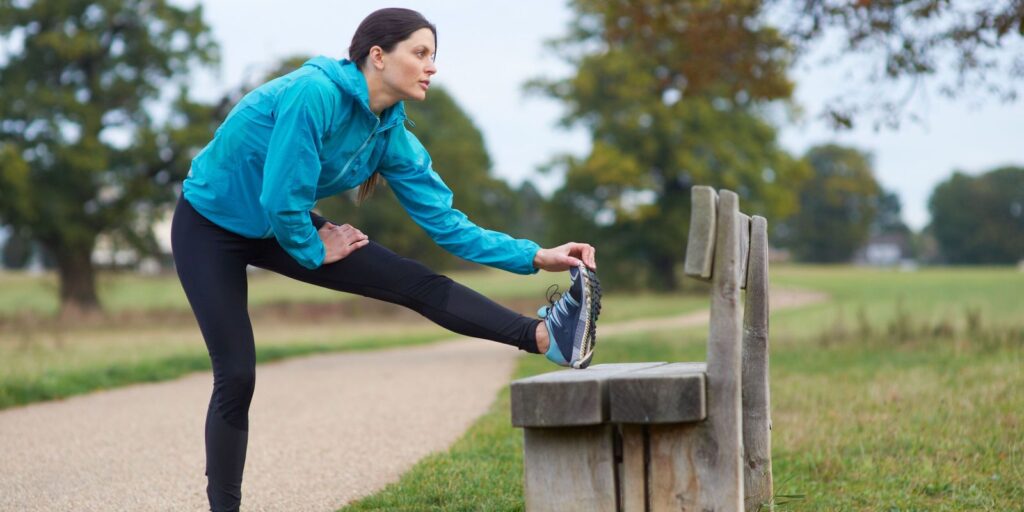
- Empty your bladder before exercising
- Choose low-impact activities if high-impact ones cause leaking
- Wear supportive undergarments designed for active women
- Don’t avoid exercise entirely – it’s good for overall bladder health
Workplace Strategies
- Keep supplies discreetly in your desk or locker
- Identify the closest bathrooms to your work area
- Consider speaking with HR about accommodations if needed
- Take regular breaks to use the bathroom
When to Seek Professional Help 🩺
While many people manage overactive bladder successfully on their own or with lifestyle changes, there are times when professional medical help is important:
- If symptoms suddenly get much worse
- If you have blood in your urine
- If you develop a fever along with bladder symptoms
- If you’re unable to urinate at all
- If symptoms are severely impacting your quality of life
Remember, healthcare providers see bladder problems all the time. There’s nothing to be embarrassed about, and they want to help you feel better.

The Role of Supplements and Natural Support 🌱
Your body needs the right nutrients to maintain healthy bladder function. While a balanced diet is important, sometimes your body needs extra support, especially if you’ve been dealing with bladder issues for a while.
Key Nutrients for Bladder Health
Vitamin D: Important for muscle function, including bladder muscles.
Magnesium: Helps muscles relax and can reduce bladder spasms.
Cranberry: Contains compounds that support urinary tract health.
Probiotics: Support overall health and may help prevent urinary tract infections.
The Power of Targeted Natural Formulas
Sometimes, the most effective approach combines multiple natural ingredients that work together synergistically. This is where specially formulated supplements can make a real difference.
The most successful natural approaches often include:
- Ingredients that calm overactive bladder muscles
- Nutrients that support healthy nerve function
- Compounds that reduce inflammation
- Elements that strengthen the bladder lining
Success Stories: Real Women, Real Results 🌟
Sarah, a 52-year-old teacher, had been struggling with frequent urination for three years. “I was planning my entire day around bathroom locations,” she says. “I couldn’t enjoy a movie, couldn’t take my grandkids to the park without worrying. After trying a natural approach that addressed the root causes, everything changed. Now I feel like myself again.”
Maria, 45, shares: “I thought I’d have to live with this forever. The medications made me feel foggy, and I was tired of side effects. When I found a natural solution that actually worked with my body instead of against it, I couldn’t believe the difference. I got my confidence back.”

These aren’t isolated cases. Thousands of women are finding that the right natural approach can provide relief that they didn’t think was possible.
Frequently Asked Questions ❓
Q: Is overactive bladder just part of getting older? A: While it’s more common as we age, it’s not an inevitable part of aging. Many older adults have perfectly normal bladder function, and there are effective treatments available.
Q: Can overactive bladder go away on its own? A: Sometimes symptoms can improve, especially if they’re triggered by temporary factors like medications, infections, or stress. However, most cases benefit from some form of treatment.
Q: Will I need to take medication forever? A: Not necessarily. Many people find relief through lifestyle changes, natural approaches, or treatments that address the underlying causes of their symptoms.
Q: Can men have overactive bladder too? A: Absolutely. While it’s more common in women, men can also develop overactive bladder, often related to prostate issues or other health conditions.
Q: Is it safe to reduce fluid intake to manage symptoms? A: Reducing fluids too much can actually make symptoms worse and lead to dehydration. It’s better to time your fluid intake strategically and choose bladder-friendly beverages.
The Science Behind Natural Healing 🔬
Recent research has shown that the body has remarkable healing abilities when given the right support. Studies have found that certain natural compounds can:
- Reduce bladder muscle contractions
- Improve nerve communication between the brain and bladder
- Strengthen the bladder lining
- Reduce inflammation that contributes to urgency
This scientific backing gives credibility to what many women have experienced firsthand: that natural approaches can be incredibly effective for managing overactive bladder symptoms.
Your Journey to Freedom Starts Today 🚀
Living with an overactive bladder doesn’t have to be your permanent reality. You have options, you have support, and most importantly, you have hope. Whether you choose medical treatments, natural approaches, or a combination of both, the key is to take action.
Start with small changes:
- Pay attention to your triggers
- Try some of the lifestyle modifications we discussed
- Consider how stress might be affecting your symptoms
- Don’t let embarrassment prevent you from seeking help
Remember, every journey begins with a single step. Your step toward better bladder health and renewed confidence can start right now.
Key Takeaways: Your Quick Reference Guide 📋
- Overactive urinary bladder affects millions of people and is a legitimate medical condition
- Symptoms include sudden urges, frequent urination, and sometimes leaking
- Causes can include hormonal changes, nerve issues, lifestyle factors, and medical conditions
- Treatment options range from behavioral changes to medications to natural approaches
- Lifestyle modifications like diet changes and stress management can be very effective
- Natural solutions often work by addressing root causes rather than just masking symptoms
- Professional help is available when you need it, and there’s no shame in seeking support
- Success is possible – thousands of people have found relief and reclaimed their lives
Your Next Step Toward Freedom 🌸
You’ve learned so much about overactive bladder today – the causes, the symptoms, the treatments, and most importantly, that you’re not alone in this journey. But knowing about solutions and actually experiencing relief are two different things.
If you’re tired of planning your life around bathroom locations, if you’re ready to stop letting your bladder control your choices, and if you want to wake up each day feeling confident instead of worried, then it’s time to take the next step.
There’s a breakthrough natural formula that’s been quietly transforming lives – a carefully crafted blend of ingredients that work together to calm overactive bladder muscles, support healthy nerve function, and restore your natural confidence. It’s not another temporary fix or harsh medication with side effects. It’s a gentle, effective approach that works with your body’s own healing wisdom.
Thousands of women have already discovered this life-changing solution. They’re sleeping through the night again, enjoying long conversations without interruptions, traveling without anxiety, and feeling like themselves again.
The question isn’t whether you deserve to feel better – you absolutely do. The question is: are you ready to take action?
Your transformation could begin today. Don’t let another day pass feeling limited by your bladder. Click the button below and discover the natural solution that could change everything for you.

Disclaimer: This article is for informational purposes only and should not replace professional medical advice. Always consult with your healthcare provider before starting any new treatment approach.
💖 Leitura Recomendada
Descubra mais conteúdos inspiradores e fontes médicas confiáveis sobre saúde feminina:
📚 Recommended for You (50)

Adele Smith is a health and wellness researcher specializing in natural solutions for vision care, nutrition, and healthy aging.
For several years, she has studied the relationship between lifestyle, dietary supplements, and long-term eye health. Her work focuses on helping readers understand natural approaches that may support vision and promote overall wellness.
Through her articles, Adele shares research-based insights and educational health information designed to help readers make informed decisions about their well-being.