

Understanding Overactive Bladder Urge Incontinence: Your Path to Freedom and Confidence
Understanding Overactive Bladder Urge Incontinence: Your Path to Freedom and Confidence
Are you tired of running to the bathroom all the time? Then you need to know about an overactive bladder solution that’s already helping thousands of women recover with freedom and confidence. In this guide, you’ll understand the symptoms, causes, and treatment options—including effective natural alternatives.
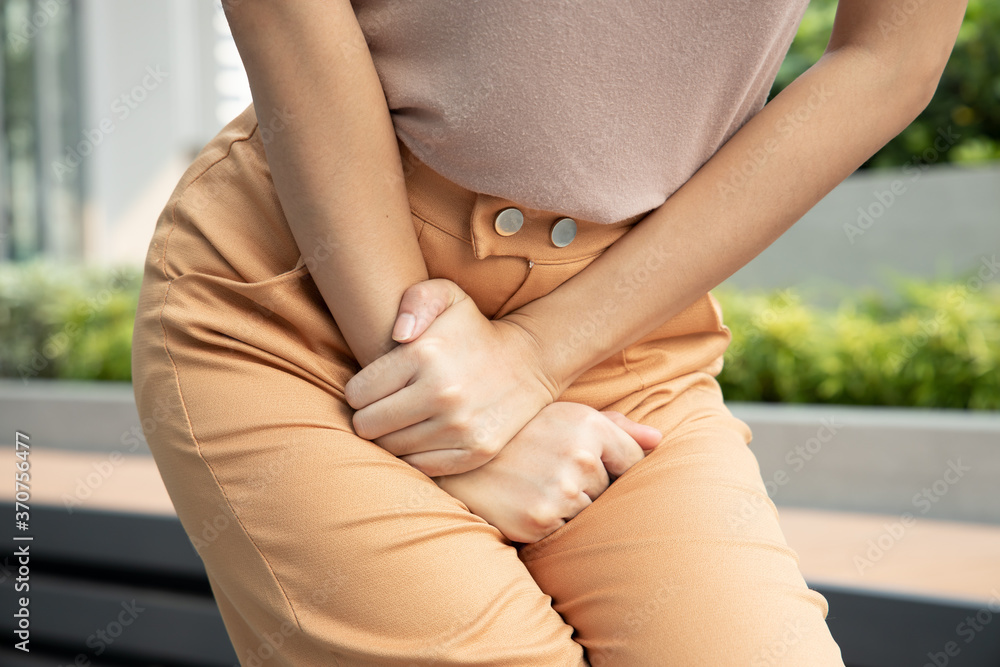
Living with overactive bladder urge incontinence can feel isolating and embarrassing, but here’s the truth: it’s more common than you might think, and more importantly, there are real solutions that can help you reclaim your freedom and confidence.
What Exactly Is Overactive Bladder Urge Incontinence? 🤔
Overactive bladder urge incontinence happens when your bladder muscles contract suddenly and strongly, creating an intense, immediate need to urinate. Sometimes, this urgent feeling is so powerful that urine leaks out before you can reach the bathroom. It’s like having a smoke alarm that goes off even when there’s just a tiny bit of steam from your morning coffee.
Your bladder is supposed to be like a well-behaved storage tank. It should fill up gradually and give you plenty of warning when it’s time to empty it. But with overactive bladder urge incontinence, your bladder becomes like an overly enthusiastic friend who can’t wait to tell you something – it sends urgent signals even when it’s not completely full.
This condition affects the quality of your daily life in ways that go far beyond the physical symptoms. It can impact your sleep, your work, your relationships, and most importantly, how you feel about yourself.
The Real Impact: More Than Just a Physical Problem 💔
Let’s be honest about what living with this condition really feels like. You might find yourself:
- Planning every outing around bathroom locations
- Avoiding long car rides or flights
- Skipping social events because you’re worried about accidents
- Waking up multiple times during the night
- Feeling anxious about intimacy with your partner
- Carrying extra clothes “just in case”
- Limiting your fluid intake, which isn’t healthy
The emotional weight can be just as heavy as the physical symptoms. Many women describe feeling frustrated, embarrassed, and even isolated. But please know that these feelings are completely normal, and you don’t have to carry this burden alone.

Understanding Overactive Bladder Symptoms 📋
Recognizing the signs is the first step toward finding relief. Here are the main overactive bladder symptoms to look out for:
Primary Symptoms
- Sudden, intense urges to urinate that feel impossible to ignore
- Frequent urination (more than 8 times in 24 hours)
- Nocturia (waking up 2 or more times at night to urinate)
- Urge incontinence (leaking urine because you can’t reach the bathroom in time)
How It Feels in Real Life
Think of it like this: imagine your bladder is like a cup that’s supposed to tell you gently when it’s getting full. But instead, it’s like having a cup that suddenly shouts “OVERFLOW!” when it’s only half full, and sometimes the shouting is so loud that some water spills out before you can empty it properly.
The urgency can hit at the most inconvenient times – during important meetings, while you’re sleeping peacefully, or when you’re far from any bathroom. It’s not something you can simply “hold it” through, like you might with normal urges.
What Causes Overactive Bladder in Females? 🔍
Understanding what causes overactive bladder in females can help you feel more in control of your situation. The causes are often more complex than you might expect, and they can vary from woman to woman.
Common Triggers and Causes
Hormonal Changes: As women go through different life stages, hormonal fluctuations can affect bladder function. Pregnancy, childbirth, and menopause can all play a role in developing these symptoms.
Lifestyle Factors: Sometimes the things we consume daily can irritate our bladder. Caffeine, alcohol, artificial sweeteners, and acidic foods can all contribute to overactive bladder symptoms.
Medical Conditions: Conditions like diabetes, urinary tract infections, and neurological disorders can affect how your bladder functions.
Medications: Some medications, including certain blood pressure medications and diuretics, can contribute to bladder overactivity.
Physical Changes: Weight gain, constipation, or previous surgeries can put pressure on the bladder or affect its normal function.
Is Overactive Bladder Dangerous?
This is one of the most common questions women ask, and it’s completely understandable to be concerned. The good news is that overactive bladder urge incontinence is rarely dangerous from a medical standpoint. However, it can significantly impact your quality of life and overall wellbeing.
The main concerns include:
- Risk of falls from rushing to the bathroom, especially at night
- Skin irritation from frequent moisture
- Urinary tract infections from incomplete bladder emptying
- Social isolation and depression from avoiding activities
But here’s what’s important to remember: these complications are preventable with the right approach and treatment.

What Is the Main Cause of Overactive Bladder? 🎯
While there are many contributing factors, the main cause of overactive bladder usually comes down to miscommunication between your brain and your bladder. Think of it like a telephone game where the message gets mixed up along the way.
Normally, your bladder muscles (called the detrusor muscles) should only contract when your bladder is reasonably full and you’ve made the conscious decision to urinate. But with overactive bladder, these muscles contract involuntarily, even when your bladder isn’t full.
This miscommunication can happen because of:
- Nerve damage from conditions like diabetes or multiple sclerosis
- Bladder muscle changes due to aging or hormonal shifts
- Bladder irritation from infections or certain foods and drinks
- Pelvic floor dysfunction where the muscles that support your bladder aren’t working properly
Understanding this root cause is crucial because it helps explain why traditional approaches that only focus on managing symptoms might not be enough. The most effective solutions address this underlying communication problem.
Overactive Bladder Symptoms Female: The Complete Picture 🌸
Women experience overactive bladder symptoms differently than men, and it’s important to understand the full picture of how this condition specifically affects the female body.
Unique Female Factors
Anatomy Matters: Women have a shorter urethra (the tube that carries urine from the bladder), which means when bladder contractions happen, urine can escape more quickly.
Hormonal Influences: Estrogen plays a crucial role in maintaining healthy bladder and pelvic floor tissues. As estrogen levels change throughout a woman’s life, it can affect bladder function.
Pregnancy and Childbirth: These experiences can stretch and weaken the pelvic floor muscles, affecting bladder control later in life.
How Symptoms May Progress
Many women notice that their symptoms:
- Start gradually and worsen over time
- Become more noticeable during stressful periods
- Fluctuate with their menstrual cycle
- Worsen during menopause
- Improve with proper treatment and lifestyle changes
The key is recognizing that these symptoms are not just “part of getting older” or something you have to accept. They’re signs that your body needs support, and that support is available.
Traditional Overactive Bladder Treatment Options 💊
Let’s talk about the conventional overactive bladder treatment approaches that doctors typically recommend. While these can be helpful, it’s important to understand both their benefits and limitations.
Behavioral Treatments
- Bladder training: Gradually increasing the time between bathroom visits
- Scheduled urination: Going to the bathroom at set times, whether you feel the urge or not
- Fluid management: Adjusting when and how much you drink
Pelvic Floor Exercises
Kegel exercises can help strengthen the muscles that support your bladder. However, many women don’t perform these correctly, which is why results can be inconsistent.
Traditional Medications
When people ask “what is the best medicine for overactive bladder,” doctors often prescribe medications called anticholinergics or beta-3 agonists. These overactive bladder medications work by:
- Relaxing bladder muscles
- Reducing bladder contractions
- Increasing bladder capacity
Limitations of Traditional Approaches
While these treatments can help, many women find that:
- Medications can have side effects like dry mouth, constipation, or drowsiness
- Behavioral changes require constant vigilance and aren’t always practical
- Results can be inconsistent or temporary
- They don’t address the root cause of the problem
This is why many women are turning to more comprehensive, natural approaches that work with their body’s own healing mechanisms.
The Breakthrough Approach: Targeting the Root Cause 🌟
Here’s where things get exciting. Recent research has revealed that the most effective approach to overactive bladder urge incontinence isn’t just about managing symptoms – it’s about addressing the underlying imbalances that cause the problem in the first place.
The Missing Link: Cellular Health
Scientists have discovered that many bladder control issues stem from cellular-level problems in the bladder wall and pelvic tissues. When these cells don’t have the nutrients they need to function properly, communication breaks down between the brain and bladder.
What Your Body Really Needs
Your bladder and pelvic floor tissues require specific nutrients to:
- Maintain healthy cell membranes
- Support proper nerve signaling
- Keep muscle fibers strong and responsive
- Reduce inflammation that can irritate bladder tissues
Think of overactive bladder management like car maintenance. You can keep adding oil and checking tire pressure, but if your engine isn’t getting the right fuel mixture, it won’t run smoothly.
The Natural Advantage
Natural approaches work because they:
- Support your body’s own healing processes
- Address multiple contributing factors simultaneously
- Have fewer side effects than pharmaceutical options
- Can improve overall health while targeting specific symptoms

Lifestyle Changes That Make a Real Difference 🏃♀️
While you’re exploring treatment options, there are several lifestyle adjustments that can provide immediate relief and support your overall bladder health.
Dietary Adjustments
Foods to Limit:
- Caffeine (coffee, tea, chocolate, some sodas)
- Alcohol
- Artificial sweeteners
- Spicy foods
- Citrus fruits and tomatoes
- Carbonated beverages
Bladder-Friendly Options:
- Water (the best choice for hydration)
- Herbal teas (chamomile, peppermint)
- Fresh vegetables
- Lean proteins
- Whole grains
Smart Fluid Management
Instead of drastically reducing your fluid intake (which can lead to other problems), try:
- Drinking most of your fluids earlier in the day
- Sipping small amounts throughout the day rather than large quantities at once
- Avoiding fluids 2-3 hours before bedtime
- Staying hydrated with 6-8 glasses of water daily
Stress Management
Stress can significantly worsen overactive bladder symptoms. Consider:
- Deep breathing exercises
- Gentle yoga or stretching
- Regular walks in nature
- Adequate sleep (7-8 hours per night)
- Meditation or mindfulness practices
When to Seek Professional Help 🏥
While lifestyle changes and natural approaches can be incredibly effective, it’s important to know when professional guidance might be beneficial.
See a Healthcare Provider If:
- Symptoms suddenly worsen or change dramatically
- You experience pain during urination
- You notice blood in your urine
- You develop fever along with urinary symptoms
- Conservative treatments haven’t provided relief after several months
What to Expect
A healthcare provider will typically:
- Take a detailed medical history
- Perform a physical examination
- Order urine tests to rule out infections
- Possibly recommend additional tests like bladder scans or urodynamic studies
Remember, seeking help is a sign of taking control of your health, not a sign of weakness.
The Emotional Journey: You’re Not Alone 💕
Let’s take a moment to acknowledge the emotional side of living with overactive bladder urge incontinence. It’s completely normal to feel:
- Frustrated when symptoms interfere with your plans
- Embarrassed about discussing the condition with others
- Anxious about being caught without a bathroom nearby
- Discouraged when treatments don’t work as quickly as you’d hoped
Building Your Support System
Consider:
- Talking to trusted friends or family members
- Joining online support groups for women with similar experiences
- Working with healthcare providers who understand the condition
- Practicing self-compassion during your healing journey
Reclaiming Your Confidence
Remember that having overactive bladder doesn’t define you. You are strong, capable, and deserving of a solution that works. Many women have successfully overcome these challenges, and you can too.

Success Stories: Real Women, Real Results ⭐
While everyone’s journey is unique, hearing about others’ experiences can provide hope and inspiration. Many women report that when they found the right approach for their body, they experienced:
- Dramatic reduction in urgent bathroom trips
- Better sleep without nighttime interruptions
- Increased confidence in social situations
- Freedom to travel and enjoy activities without worry
- Improved relationships due to reduced stress and anxiety
The common thread among these success stories? Women who took a comprehensive approach that addressed both the symptoms and the underlying causes of their condition.
Preventing Future Problems 🛡️
Once you start feeling better, you’ll want to maintain your progress and prevent symptoms from returning. Here’s how:
Long-term Strategies
- Maintain healthy lifestyle habits even after symptoms improve
- Stay consistent with any beneficial treatments or supplements
- Monitor your triggers and avoid known irritants
- Keep up with regular exercise to support overall pelvic health
- Manage stress levels through ongoing self-care practices
Early Intervention
If you notice symptoms starting to return:
- Address them quickly rather than hoping they’ll go away
- Review what might have changed in your routine or environment
- Don’t hesitate to restart treatments that previously worked
- Consider consulting with a healthcare provider for adjustments
Frequently Asked Questions 🤔
Q: How long does it take to see improvement in overactive bladder symptoms? A: This varies by individual and treatment approach. Some women notice improvements within days or weeks, while others may need several months to see significant changes. The key is consistency and patience.
Q: Can overactive bladder go away completely? A: Many women experience significant improvement or complete resolution of their symptoms with the right treatment approach. While results vary, most women find they can return to normal activities and confidence levels.
Q: Is it safe to reduce fluid intake to manage symptoms? A: It’s not recommended to severely restrict fluids, as this can lead to dehydration, constipation, and actually worsen bladder irritation. Instead, focus on timing and the types of fluids you consume.
Q: Can stress really affect bladder control? A: Absolutely. Stress can worsen overactive bladder symptoms through various mechanisms, including increased muscle tension and changes in hormone levels. Managing stress is an important part of treatment.
Q: Are there any natural alternatives that really work? A: Yes, many women have found success with natural approaches that support bladder and pelvic floor health. The key is finding high-quality, research-backed options that address the root causes of the problem.
The Science Behind Natural Solutions 🔬
Recent scientific research has revealed fascinating insights into how natural compounds can support bladder health at the cellular level. Studies have shown that certain botanical extracts and nutrients can:
- Strengthen bladder wall tissues by supporting collagen production
- Improve nerve signaling between the brain and bladder
- Reduce inflammation that contributes to bladder overactivity
- Support hormonal balance that affects bladder function
- Enhance cellular repair mechanisms in pelvic tissues
This research explains why many women are finding that natural approaches not only help with their immediate symptoms but also provide long-lasting results by actually healing the underlying problems.
Your Next Steps: Taking Action Today 🚀
Now that you understand overactive bladder urge incontinence and the various approaches to addressing it, you might be wondering: “What should I do next?”
Start With Small Changes
Begin by implementing some of the lifestyle modifications mentioned earlier:
- Adjust your fluid intake timing
- Identify and avoid your personal trigger foods
- Start a simple stress-reduction routine
- Begin basic pelvic floor exercises
Track Your Progress
Keep a simple diary noting:
- When symptoms occur
- Potential triggers
- What helps or makes things worse
- Your overall mood and stress levels
This information will be valuable whether you’re working with healthcare providers or exploring natural solutions on your own.
Stay Informed and Hopeful
Continue learning about new research and treatment options. The field of bladder health is constantly evolving, and new solutions are being discovered regularly.

The Revolutionary Solution You’ve Been Waiting For 🌈
After everything we’ve discussed, you might be feeling hopeful but also wondering if there’s something more targeted you can do. The truth is, while lifestyle changes and traditional treatments can help, many women are discovering that there’s a more direct path to relief.
Imagine having access to a carefully formulated blend of natural ingredients that have been specifically researched for their ability to support bladder health and pelvic floor function. Picture a solution that works with your body’s natural healing processes to address the root causes we’ve been discussing, not just mask the symptoms.
Recent breakthroughs in nutritional science have identified specific compounds that can:
- Restore healthy communication between your brain and bladder
- Strengthen the tissues that support bladder control
- Reduce the inflammatory responses that contribute to urgency
- Support hormonal balance crucial for bladder health
- Provide your cells with the exact nutrients they need to function optimally

Main Points Summary 📝
- Overactive bladder urge incontinence affects millions of women and involves sudden, intense urges to urinate that can lead to accidents
- Common symptoms include frequent urination, nighttime awakening, and inability to control urgent bladder sensations
- Multiple factors contribute to the condition, including hormonal changes, lifestyle factors, and cellular health issues in bladder tissues
- Traditional treatments like medications and behavioral therapy can help but often don’t address root causes
- Natural approaches that support cellular health and overall bladder function are showing promising results
- Lifestyle modifications including diet changes, stress management, and proper hydration can provide significant relief
- The condition is manageable and many women experience dramatic improvements with the right comprehensive approach
- Professional help should be sought if symptoms worsen suddenly or are accompanied by pain or fever
- Emotional support and self-compassion are important parts of the healing journey
- Prevention strategies can help maintain improvements and prevent symptom recurrence
Your Moment of Decision 🌸
As we reach the end of our conversation, I want you to take a moment to really think about your life right now. Think about all the times you’ve had to excuse yourself suddenly from conversations, all the nights your sleep has been interrupted, all the activities you’ve avoided because you were worried about finding a bathroom in time.
Now imagine what your life would look like if those worries were behind you. Picture yourself:
- Sleeping through the night peacefully
- Laughing freely without worry
- Taking long walks, car rides, or flights with confidence
- Feeling completely comfortable in social situations
- Having the energy that comes from uninterrupted sleep
- Experiencing the joy that comes from true freedom
The difference between where you are now and where you could be might be closer than you think. While we’ve covered many approaches in this article, there’s something I haven’t told you yet about a specific natural formula that’s been quietly transforming lives.
This isn’t just another supplement sitting on a shelf. It’s a precisely crafted blend of research-backed ingredients that target the exact cellular mechanisms we’ve been discussing. The women using it are experiencing results that seemed impossible just months ago.
🌸 Right now, you have a choice. You can continue managing symptoms the way you have been, or you can take a step toward the freedom and confidence you deserve. There’s a natural formula that’s helping thousands of women reclaim their lives, and it could be exactly what your body has been waiting for.
This breakthrough solution addresses every aspect of bladder health we’ve discussed – from cellular repair to hormonal balance to inflammatory response. The results speak for themselves, and now it’s your turn to experience what’s possible.
Don’t let another day pass wondering “what if.” Your confidence, your comfort, your peace of mind – they’re all waiting for you.

Take control of your bladder health naturally and reclaim the freedom and confidence you deserve.
💖 Leitura Recomendada
Descubra mais conteúdos inspiradores e fontes médicas confiáveis sobre saúde feminina:
📚 Recommended for You (50)

Adele Smith is a health and wellness researcher specializing in natural solutions for vision care, nutrition, and healthy aging.
For several years, she has studied the relationship between lifestyle, dietary supplements, and long-term eye health. Her work focuses on helping readers understand natural approaches that may support vision and promote overall wellness.
Through her articles, Adele shares research-based insights and educational health information designed to help readers make informed decisions about their well-being.