
Overactive Bladder: Causes, Symptoms & Treatment Options

Overactive bladder affects millions of people worldwide, disrupting daily routines and diminishing quality of life. This condition creates sudden, uncontrollable urges to urinate that can strike at any moment, forcing frequent bathroom trips throughout the day and night. While overactive bladder symptoms can feel overwhelming, effective treatments exist that restore control and confidence.

Understanding this treatable condition represents the first step toward reclaiming your life. Whether you experience occasional urgency or persistent symptoms that limit your activities, comprehensive solutions are available to address your specific needs.

What is Overactive Bladder (OAB)?

Overactive bladder is a group of urinary symptoms characterized by sudden, compelling urges to urinate that are difficult to control. The condition affects how your bladder stores and releases urine, often creating urgency even when your bladder contains only small amounts of fluid. People with overactive bladder may experience leakage before reaching the bathroom, frequent daytime urination, or multiple nighttime awakenings.

This medical condition differs from normal aging and represents a diagnosable health issue with proven treatment approaches. Many individuals mistakenly believe overactive bladder is an inevitable part of getting older, but this misconception prevents people from seeking help that could dramatically improve their daily lives.

How the Urinary System Works Normally

Your kidneys continuously filter blood and produce urine, which travels through tubes called ureters to your bladder. This muscular organ expands as it fills, capable of holding approximately 400-600 milliliters of urine comfortably. Special nerve pathways communicate between your bladder and brain, sending signals when your bladder reaches capacity.

During normal urination, your brain sends coordinated signals that relax the urinary sphincter muscles while contracting the bladder wall muscles. This controlled process allows you to empty your bladder completely at appropriate times and locations.

Understanding Overactive Bladder vs Normal Bladder Function

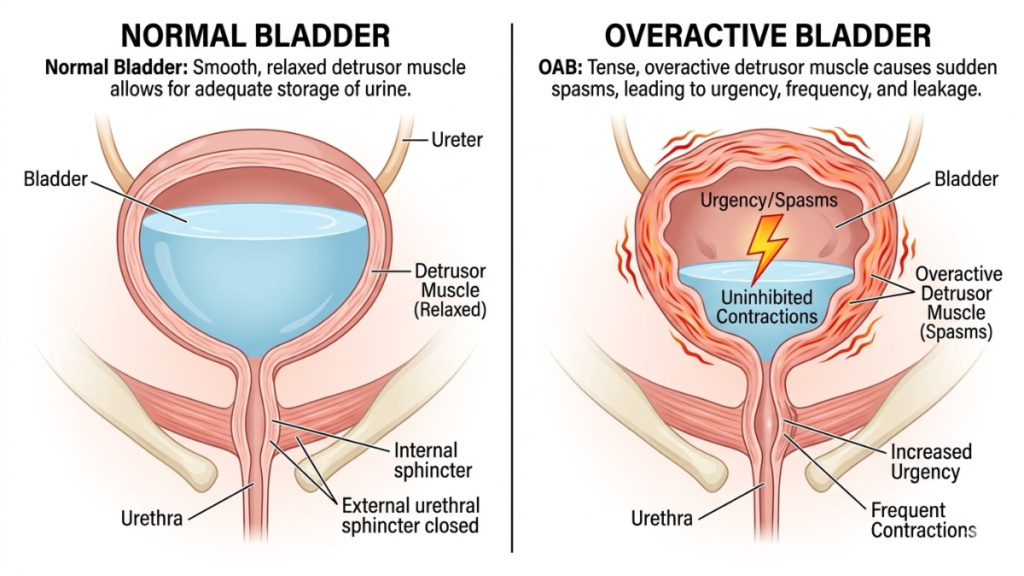
Normal bladder function allows you to sense fullness gradually and delay urination for reasonable periods. With overactive bladder, your bladder muscles contract involuntarily, creating urgent sensations even when your bladder holds minimal urine. These uncontrolled contractions trigger the compelling “gotta go” feeling that characterizes the condition.

The distinction between normal urgency and overactive bladder lies in frequency, intensity, and control. Occasional urgency is normal, but consistent difficulty delaying urination or needing the bathroom more than eight times daily suggests overactive bladder.

Does Overactive Bladder Go Away on Its Own?

Overactive bladder does not resolve without intervention and typically worsens over time when left untreated. Progressive weakening of bladder control muscles and thinning of pelvic floor tissues occur as the condition persists. Untreated symptoms can escalate from occasional urgency to frequent incontinence episodes that significantly impact your lifestyle.

Early treatment prevents this deterioration and maintains better long-term bladder function. The condition responds well to various therapies, making professional evaluation essential when symptoms first appear.

Who is Affected by Overactive Bladder?

Overactive bladder impacts adults across all demographics, though certain populations face higher risks. Approximately 33 million Americans live with this condition, representing up to 30% of men and 40% of women. These statistics likely underestimate true prevalence, as many people avoid discussing symptoms due to embarrassment or mistaken beliefs that nothing can help.

Both genders experience overactive bladder, but women develop symptoms at younger ages on average. The condition affects people from diverse backgrounds, activity levels, and health statuses, demonstrating that no one is immune to bladder control challenges.

Overactive Bladder Prevalence and Statistics

Research indicates that overactive bladder prevalence increases with age, affecting roughly 40% of adults over 75. However, younger adults also develop symptoms, particularly following childbirth, pelvic surgery, or neurological conditions. The condition’s impact extends beyond physical symptoms, creating significant emotional and social consequences that reduce overall life satisfaction.

Many affected individuals suffer silently for years before seeking treatment. Studies show the average person waits six to seven years from symptom onset before consulting a healthcare provider, allowing the condition to progress unnecessarily.

Age and Gender Risk Factors for OAB

Women typically experience overactive bladder symptoms around age 45, while men most commonly develop the condition after age 65. Hormonal changes during menopause contribute to earlier symptom onset in women, as declining estrogen levels affect bladder tissue elasticity and nerve sensitivity.

Male risk increases with prostate enlargement, a common occurrence after age 50. The enlarged prostate can obstruct urine flow and create bladder irritation that triggers overactive bladder symptoms.

Medical Conditions That Increase OAB Risk

Several health conditions significantly elevate overactive bladder risk. Neurological disorders like multiple sclerosis, Parkinson’s disease, and stroke damage nerve pathways that coordinate bladder control. Diabetes affects nerve function throughout the body, including nerves that regulate urination.

Cognitive decline associated with dementia reduces the brain’s ability to interpret and respond to bladder signals appropriately. Chronic constipation places physical pressure on the bladder, while obesity increases abdominal pressure that stresses pelvic floor muscles supporting bladder function.

Overactive Bladder Symptoms and Warning Signs
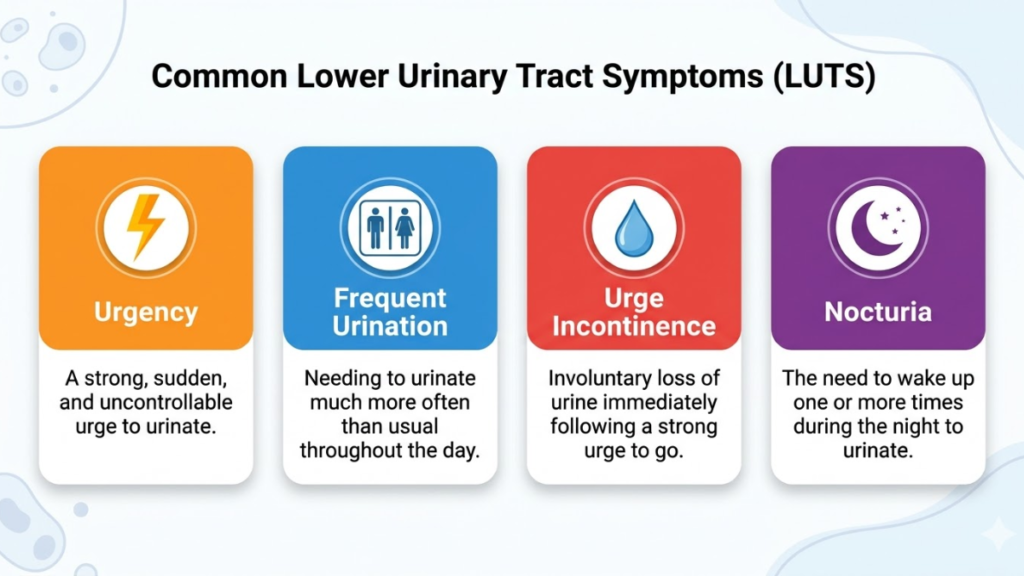
Overactive bladder presents through several distinct symptoms that can occur individually or in combination. Recognizing these warning signs enables earlier intervention and more effective treatment. The severity and frequency of symptoms vary considerably among affected individuals, ranging from mild inconvenience to severe lifestyle disruption.

Understanding your specific symptom pattern helps healthcare providers develop targeted treatment strategies. Tracking when symptoms occur, their intensity, and triggering factors provides valuable diagnostic information.

Urgency and Frequent Urination Patterns

Urinary urgency creates a sudden, intense need to urinate immediately, providing little warning before you must find a bathroom. This compelling sensation differs from normal fullness, instead feeling like an emergency that cannot be delayed. People with overactive bladder often describe urgency as overwhelming and difficult to control through willpower alone.

Frequent urination means voiding more than eight times during waking hours, significantly exceeding the typical four to seven daily bathroom trips. This increased frequency disrupts work, social activities, and travel, as affected individuals constantly plan their schedules around bathroom availability.

Urge Incontinence and Involuntary Leakage

Urge incontinence occurs when urgency is so intense that urine leaks before you reach the bathroom. Leakage volumes range from a few drops to complete bladder emptying, depending on how much urine your bladder contained when the urgent sensation struck. This symptom causes considerable distress and often leads to social withdrawal.

Many people with overactive bladder experience urgency without leakage but live in constant fear that accidents will occur. This anxiety can be as limiting as actual incontinence, restricting activities and reducing quality of life.

Nocturia: Nighttime Urination Problems

Nocturia involves waking two or more times nightly to urinate, fragmenting sleep and causing daytime fatigue. Normal aging may produce one nighttime awakening, but frequent disruptions indicate overactive bladder. Poor sleep quality affects concentration, mood, and overall health, making nocturia one of the condition’s most troublesome symptoms.

Severe nocturia may require four to six bathroom trips per night, preventing restorative sleep and significantly impairing daily function.

When Symptoms Indicate a Medical Emergency

Certain symptoms require immediate medical attention rather than scheduled appointments. Seek emergency care if you experience sudden inability to urinate despite urgency, severe pain accompanying urination, blood in your urine, or fever with bladder symptoms. These signs may indicate urinary retention, kidney infection, or other serious conditions requiring prompt treatment.

Rapidly worsening symptoms over days rather than months also warrant urgent evaluation to rule out acute medical problems.

What Causes Overactive Bladder?

Overactive bladder results from involuntary contractions of the detrusor muscle forming your bladder wall. These contractions occur at inappropriate times when your bladder contains insufficient urine to warrant emptying. Multiple underlying factors can trigger these abnormal muscle contractions, and identifying your specific cause guides treatment selection.

Some people develop overactive bladder from a single identifiable cause, while others experience symptom onset from multiple contributing factors. Understanding potential causes helps you and your healthcare team address the condition comprehensively.

Involuntary Bladder Muscle Contractions

The detrusor muscle normally remains relaxed during bladder filling, contracting only when you consciously decide to urinate. With overactive bladder, this muscle squeezes unpredictably, creating urgent sensations and potentially forcing urine leakage. These involuntary contractions can result from nerve dysfunction, muscle irritation, or hypersensitivity in bladder tissues.

Damaged communication between your brain and bladder disrupts the coordinated control that normally allows voluntary urination timing. Even minor nerve pathway dysfunction can produce significant symptoms.

Neurological Conditions and OAB Bladder

Neurological diseases frequently cause overactive bladder by damaging nerve pathways controlling urination. Stroke can interrupt brain signals regulating bladder function, while multiple sclerosis creates nerve lesions affecting multiple body systems including urinary control. Parkinson’s disease affects neurotransmitter function throughout the nervous system.

Spinal cord injuries, herniated discs, and pelvic surgeries can directly damage nerves serving the bladder. Brain tumors or injuries may also disrupt the complex neural networks coordinating urinary function.

Medications That Trigger Overactive Urinary Bladder

Certain medications produce overactive bladder symptoms as side effects. Diuretics prescribed for high blood pressure or heart conditions increase urine production, filling your bladder more rapidly. Some antidepressants, sedatives, and narcotic pain medications affect nerve signals or bladder muscle tone.

Caffeine and alcohol act as bladder irritants while also increasing urine volume. Always discuss medication side effects with your healthcare provider, as alternative treatments may be available.

Anxiety Causing Overactive Bladder Symptoms

Anxiety causing overactive bladder represents a significant but often overlooked contributor to symptoms. Stress activates your sympathetic nervous system, affecting bladder sensation and potentially triggering urgent feelings. Many people experience temporary urgency during anxious situations, but chronic anxiety can create persistent overactive bladder symptoms.

The relationship between anxiety and bladder function creates a challenging cycle where bladder symptoms increase anxiety, which then worsens urgency. Addressing both psychological and physical aspects often produces the best outcomes.

Hormonal Changes and Bladder Control

Hormonal fluctuations during menopause significantly affect bladder function in women. Declining estrogen levels reduce tissue elasticity in the urethra and bladder, while also affecting nerve sensitivity. These changes can trigger overactive bladder symptoms or worsen existing urgency issues.

Vaginal estrogen therapy often helps restore normal tissue function and reduces symptoms. The relationship between hormones and bladder control explains why women frequently develop overactive bladder during perimenopause and early menopause.

Bladder Obstruction and Overflow Issues

Physical obstructions preventing complete bladder emptying can create overactive bladder symptoms. In men, enlarged prostates commonly obstruct urine flow, causing the bladder to retain excess fluid. Severe constipation compresses the bladder from the rectum, reducing functional capacity.

Bladder stones or tumors may also create partial obstruction. When your bladder cannot empty completely, it fills to capacity more quickly, producing frequent urgent sensations.

How Overactive Bladder Affects Daily Life

Overactive bladder extends far beyond physical symptoms, profoundly impacting emotional well-being, relationships, and overall life satisfaction. The constant preoccupation with bathroom locations and fear of accidents creates significant psychological burden. Many people dramatically restrict their activities, avoiding social events, travel, and exercise to prevent embarrassing situations.

Understanding these quality-of-life impacts helps healthcare providers appreciate symptom severity beyond clinical measurements. Your personal experience with overactive bladder matters as much as objective findings when determining appropriate treatment intensity.

Impact on Sleep Quality and Energy Levels

Nocturia severely disrupts sleep architecture, preventing the deep restorative sleep phases essential for physical and mental health. Each nighttime awakening requires full arousal from sleep, often making it difficult to fall back asleep. The cumulative sleep deficit leads to daytime fatigue, reduced productivity, and increased accident risk.

Chronic sleep deprivation affects mood regulation, contributing to irritability and depression. Many people with overactive bladder report that nighttime symptoms impact their quality of life more than daytime urgency.

Social and Emotional Consequences of OAB

Social isolation frequently develops as people withdraw from activities requiring extended periods away from bathrooms. Dinner parties, concerts, sports events, and religious services become sources of anxiety rather than enjoyment. Many individuals stop traveling or visiting friends and family due to incontinence fears.

Depression and anxiety commonly accompany overactive bladder, creating a vicious cycle where emotional distress worsens physical symptoms. Self-esteem suffers as people feel their bodies have betrayed them, leading to reduced confidence in all life areas.

Work Performance and Travel Challenges

Professional life suffers when overactive bladder interferes with meetings, presentations, or job duties requiring sustained attention. Frequent bathroom breaks may cause embarrassment or create concerns about workplace perceptions. Some people avoid career advancement opportunities that would increase travel or demanding schedules.

Long commutes, flights, and car trips present particular challenges, often requiring detailed planning and route modifications. This constant accommodation becomes exhausting and limits professional and personal opportunities.

Diagnosing Overactive Bladder

Accurate overactive bladder diagnosis requires comprehensive evaluation combining medical history, physical examination, and specific diagnostic tests. Healthcare providers use systematic approaches to distinguish overactive bladder from other conditions producing similar symptoms. The diagnostic process typically begins with simple assessments, progressing to more specialized testing only when necessary.

Thorough evaluation ensures appropriate treatment targeting your specific condition rather than masking symptoms of other problems. Most people receive definitive diagnosis without requiring invasive testing.

When to See a Healthcare Provider

Seek medical evaluation when urgency, frequency, or incontinence disrupts your daily activities or concerns you. Even mild symptoms deserve attention, as early intervention prevents progression and achieves better long-term outcomes. Don’t wait until symptoms become severe or unbearable before requesting help.

Schedule appointments promptly if symptoms develop suddenly or worsen rapidly, as these patterns may indicate underlying medical conditions requiring urgent treatment.

Medical History and Physical Examination

Your healthcare provider will ask detailed questions about symptom onset, frequency, severity, and triggering factors. Comprehensive medication review identifies drugs potentially contributing to symptoms. Discussion of relevant medical conditions, surgeries, and pregnancies provides context for understanding your bladder dysfunction.

Physical examination includes abdominal palpation to assess organ enlargement and pelvic examination to evaluate tissue health and muscle tone. These non-invasive assessments often provide sufficient information for diagnosis.

Urinalysis and Urine Culture Tests

Simple urinalysis examines your urine for blood, infection, or abnormal cells that might explain symptoms. Microscopic analysis reveals bacteria, white blood cells, or red blood cells indicating infection or inflammation. Urine culture identifies specific bacteria causing infections that can mimic overactive bladder.

These basic tests rule out easily treatable conditions before proceeding with more complex evaluations. Urinary tract infections frequently produce urgency and frequency identical to overactive bladder but require different treatment.

Postvoid Residual Measurement

Postvoid residual testing measures how much urine remains in your bladder after urination. Healthcare providers use ultrasound or catheterization to determine residual volume. Elevated residual urine suggests incomplete bladder emptying that may contribute to frequent urination and urgency.

Normal bladders empty nearly completely, leaving less than 50 milliliters. Higher residual volumes indicate potential obstruction or weak bladder contractions requiring different management approaches.

Bladder Diary and Symptom Tracking

Bladder diaries record detailed information about your urination patterns over several days. You document fluid intake, bathroom trips, urine volumes, urgency episodes, and leakage incidents. This objective data reveals patterns that may not be apparent from memory alone.

Healthcare providers use diary information to assess symptom severity and track treatment response. The diary also helps identify dietary or behavioral triggers that you can modify to improve symptoms.

Urodynamic Testing for OAB

Urodynamic studies measure bladder pressure, capacity, and flow rates during filling and emptying. These specialized tests objectively demonstrate involuntary bladder contractions characteristic of overactive bladder. Multiple sensors record pressure changes while your bladder fills with sterile fluid through a catheter.

Most people don’t require urodynamic testing for diagnosis, but these studies help when symptoms are unclear or initial treatments fail.

Cystoscopy and Imaging Studies

Cystoscopy allows direct visualization of your bladder interior using a thin telescope passed through your urethra. This procedure identifies bladder stones, tumors, inflammation, or structural abnormalities causing symptoms. Imaging studies like ultrasound or CT scans evaluate kidney and bladder anatomy.

These tests are reserved for specific situations when physical examination or basic tests suggest underlying problems beyond simple overactive bladder.

Overactive Bladder Treatment Options

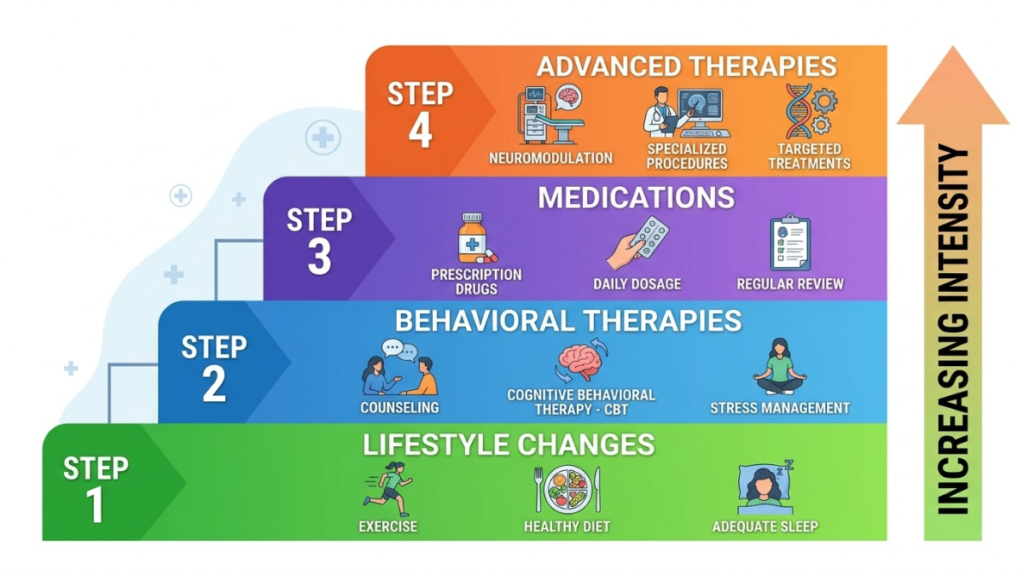
Overactive bladder treatments range from simple lifestyle modifications to advanced medical interventions, providing options suitable for every symptom severity level. Treatment typically follows a stepwise approach, beginning with conservative measures and progressing to more intensive therapies only when necessary. Most people achieve satisfactory symptom control without requiring invasive procedures.

The goal is finding the least intensive treatment that adequately manages your symptoms and restores acceptable quality of life. Treatment decisions should be made collaboratively with your healthcare team, considering your priorities, preferences, and overall health status.

Conservative Therapies vs Medical Interventions

Conservative therapies include behavioral modifications, pelvic floor exercises, and dietary adjustments requiring no medications or procedures. These approaches work effectively for many people and produce no side effects. Medical interventions encompass prescription medications, injections, and nerve stimulation techniques providing more aggressive symptom control.

Starting with conservative measures allows you to avoid medication side effects while potentially achieving adequate improvement. When conservative approaches prove insufficient, medical interventions offer additional options.

Combination Treatment Approaches for OAB Bladder

Combining multiple treatments often produces superior results compared to single interventions. Pairing dietary modifications with bladder retraining, or adding pelvic floor exercises to medication therapy, addresses overactive bladder through complementary mechanisms. Healthcare providers increasingly recognize that comprehensive approaches targeting multiple contributing factors achieve better outcomes.

Combination therapy allows lower medication doses, reducing side effect risk while maintaining effectiveness. This strategy particularly benefits people with complex symptoms or multiple contributing factors.

Lifestyle Changes for Overactive Bladder Management

Lifestyle modifications represent the foundation of overactive bladder treatment, producing meaningful improvements for many people without medication side effects. These changes address dietary triggers, fluid management, weight control, and bowel health factors contributing to bladder dysfunction. While requiring commitment and consistency, lifestyle adjustments provide lasting benefits that enhance overall health beyond bladder symptoms.

Implementing these changes systematically allows you to identify which modifications produce the greatest symptom improvement for your individual situation.

Creating and Using a Bladder Diary

Bladder diaries track fluid intake, urination frequency, urgency episodes, and leakage incidents over three to seven days. This detailed record reveals patterns connecting specific foods, drinks, or activities to symptom worsening. The diary also establishes baseline measurements for tracking treatment effectiveness over time.

Recording actual data rather than relying on memory provides accurate information guiding treatment decisions. Many people discover surprising patterns they hadn’t consciously noticed, enabling targeted interventions.

Dietary Modifications to Reduce Bladder Irritation

Certain foods and beverages irritate bladder lining, intensifying overactive bladder symptoms. Eliminating common triggers for two weeks, then gradually reintroducing items individually helps identify your personal irritants. Not everyone reacts to the same foods, making individualized assessment important.

Dietary modifications complement other treatments and often produce noticeable improvement within days to weeks of implementation.

Foods and Drinks to Avoid with OAB

Common bladder irritants include:

  • Caffeinated beverages like coffee, tea, and energy drinks
  • Alcoholic drinks of all types
  • Carbonated sodas and sparkling water
  • Citrus fruits and juices including oranges, grapefruits, and lemons
  • Tomatoes and tomato-based products like sauce and ketchup
  • Chocolate containing caffeine and other bladder stimulants
  • Spicy foods with hot peppers or strong seasonings
  • Artificial sweeteners found in diet drinks and sugar-free products

High-fiber foods that support bladder health:

  • Whole grain breads, cereals, and pasta
  • Oatmeal and bran products
  • Legumes including beans, lentils, and chickpeas
  • Fresh vegetables like broccoli, carrots, and leafy greens
  • Nuts and seeds in moderate portions

Hydration Strategies for Bladder Health

Proper hydration requires balance – too much fluid overwhelms your bladder, while too little concentrates urine and irritates bladder tissues. Most adults need approximately 48 to 64 ounces of fluid daily, adjusted for activity level and climate. Distributing fluid intake evenly throughout the day prevents bladder overload.

Reducing fluid consumption two to three hours before bedtime minimizes nighttime urination without causing dehydration. Choose water as your primary beverage, avoiding bladder irritants mentioned previously.

Weight Management and OAB Symptom Relief

Excess body weight increases abdominal pressure on your bladder and pelvic floor muscles, worsening urgency and incontinence. Research demonstrates that losing just 5-10% of body weight significantly improves overactive bladder symptoms in many people. Weight loss reduces mechanical stress on pelvic structures while also decreasing inflammation throughout your body.

Sustainable weight management through balanced nutrition and regular physical activity provides numerous health benefits beyond bladder symptom improvement.

Tobacco Cessation Benefits for Bladder Control

Cigarette smoking damages bladder tissues through toxic chemicals and reduces oxygen delivery to pelvic floor muscles. Chronic coughing associated with smoking stresses pelvic floor muscles and may trigger urine leakage. Nicotine also acts as a bladder stimulant, potentially worsening urgency.

Quitting smoking improves overall health while specifically benefiting bladder function. Many people notice reduced urgency and incontinence within weeks to months after stopping tobacco use.

Maintaining Regular Bowel Movements

Chronic constipation contributes significantly to overactive bladder by creating physical pressure on the bladder from an impacted rectum. Straining during bowel movements also weakens pelvic floor muscles over time. Establishing regular, comfortable bowel habits reduces bladder pressure and improves symptom control.

Adequate fiber intake, proper hydration, and regular physical activity promote healthy digestive function. Gentle stool softeners or fiber supplements may help when dietary measures prove insufficient.

Bladder Retraining and Behavioral Therapies

Bladder retraining programs teach your bladder to hold urine longer and respond more appropriately to filling sensations. These behavioral therapies work by gradually extending intervals between bathroom visits while teaching techniques to suppress urgent feelings. Most people require six to twelve weeks of consistent practice to achieve maximum benefit.

Behavioral approaches require active participation and commitment but produce lasting improvements without medication side effects. Success depends on following prescribed schedules and consistently applying learned techniques.

How Bladder Retraining Works

Bladder retraining systematically increases time between urinations, helping your bladder accommodate more urine before signaling urgency. The process begins by establishing your current voiding interval through diary tracking. You then practice delaying urination by five to fifteen minutes beyond when you first feel the urge.

As your tolerance improves, you gradually extend intervals until achieving a goal of voiding every three to four hours during the day. This retraining helps normalize bladder capacity and reduces hypersensitivity causing premature urgent sensations.

Scheduled Voiding and Timed Bathroom Trips

Scheduled voiding establishes predetermined bathroom intervals rather than waiting for urgent signals. You urinate according to a clock schedule, typically every two to four hours, regardless of whether you feel the need. This approach prevents bladder overfilling and reduces the intense urgency that may trigger incontinence.

Timed voiding works particularly well for people whose overactive bladder symptoms include unpredictable urgent episodes. Establishing regular emptying patterns restores a sense of control and reduces anxiety about accidents.

Urge Suppression Techniques and Distraction Methods

When urgency strikes, specific techniques help suppress the sensation until it passes. Quick pelvic floor muscle contractions (quick flicks) counter the urge by reflexively relaxing bladder muscles. Performing five to ten rapid squeezes often diminishes urgent feelings within minutes.

Distraction methods redirect your attention from bladder sensations through mental activities like counting backwards, reciting song lyrics, or focusing on breathing patterns. Standing still or sitting quietly while applying these techniques proves more effective than rushing to the bathroom.

Pelvic Floor Muscle Exercises for OAB

Pelvic floor exercises strengthen muscles supporting your bladder and controlling urine flow. Strong pelvic floor muscles provide better urgency suppression and reduce stress incontinence. Regular practice improves muscle endurance and response time.

Perform three sets of ten contractions daily, holding each squeeze for five to ten seconds. Many people benefit from working with pelvic floor physical therapists who ensure proper technique and provide biofeedback training for optimal results.

Overactive Bladder Medications and Prescription Drugs

Overactive bladder medications help when lifestyle changes and behavioral therapies provide insufficient symptom relief. Several drug classes effectively reduce urgency, frequency, and incontinence through different mechanisms. Medications can be used alone or combined with conservative treatments for enhanced effectiveness.

Finding the right medication often requires trying different options to balance symptom relief against side effects. Most people notice improvement within two to four weeks of starting treatment, with maximum benefits developing over six to eight weeks.

Anticholinergic Medications for OAB Treatment

Anticholinergic drugs block nerve signals that trigger involuntary bladder contractions, allowing your bladder to hold more urine comfortably. These medications reduce urgency frequency and increase time between bathroom visits. Multiple anticholinergic options exist, differing in dosing frequency and side effect profiles.

Response to anticholinergics varies individually – one medication may work better than another for your specific situation. Extended-release formulations often produce fewer side effects compared to immediate-release versions.

Common Anticholinergic Drug Names

Commonly prescribed anticholinergics include oxybutynin, tolterodine, solifenacin, fesoterodine, darifenacin, and trospium. Oxybutynin is available as pills, extended-release tablets, transdermal patches, and topical gels. Each formulation offers different advantages regarding convenience and side effect management.

Your healthcare provider selects medications based on your symptoms, other health conditions, and current medications to minimize interaction risks.

Side Effects of Anticholinergic Therapy

Anticholinergic side effects result from blocking nerve signals throughout your body, not just in the bladder. Common effects include dry mouth, constipation, blurred vision, and drowsiness. Dry mouth often improves by sucking sugar-free candy or using saliva substitutes.

Recent concerns about cognitive effects with long-term anticholinergic use have prompted caution in elderly patients. Trospium doesn’t cross into the brain, making it a preferred option when cognitive side effects are concerning.

Beta-3 Adrenergic Medications

Beta-3 agonist medications work differently than anticholinergics by relaxing bladder muscle through alternative nerve pathways. These drugs may cause fewer bothersome side effects compared to anticholinergics, making them attractive options for many patients. Beta-3 agonists effectively reduce urgency and increase bladder capacity.

Combining beta-3 agonists with anticholinergics provides enhanced symptom control for some people when single-drug therapy proves inadequate.

How Beta-3 Agonists Work

Beta-3 agonists stimulate specific receptors in bladder muscle, causing relaxation that increases storage capacity. This mechanism differs from anticholinergic action, potentially benefiting people who don’t respond to or tolerate anticholinergic medications. The drugs work during bladder filling, helping prevent premature contractions.

Most people tolerate beta-3 agonists well, with fewer discontinuations due to side effects compared to anticholinergics.

Mirabegron and Vibegron Options

Mirabegron was the first approved beta-3 agonist for overactive bladder, effectively reducing daily urgency episodes and incontinence. The medication may slightly elevate blood pressure, requiring monitoring in people with hypertension. Vibegron represents a newer beta-3 agonist that doesn’t affect blood pressure, making it suitable for patients with cardiovascular concerns.

Both medications require once-daily dosing and typically produce noticeable improvement within two to four weeks.

Antihistamine Overactive Bladder Treatment

Some antihistamines possess anticholinergic properties that may benefit overactive bladder symptoms. However, these medications are not specifically approved for OAB treatment and should only be used under medical guidance. First-generation antihistamines like hydroxyzine have stronger anticholinergic effects but also cause more sedation.

Using antihistamines specifically for bladder symptoms is generally discouraged in favor of medications designed and tested for overactive bladder treatment.

Medication Effectiveness Timeline

Most people begin noticing symptom improvement within one to two weeks of starting medication, though maximum benefit requires four to eight weeks of consistent use. Some individuals experience dramatic early improvement, while others see gradual incremental changes. Maintaining realistic expectations helps avoid premature medication discontinuation.

Regular follow-up with your healthcare provider during the first three months allows dose adjustments and medication changes to optimize results.

Managing Medication Side Effects

Side effect management strategies help maintain medication adherence when benefits outweigh bothersome effects. For dry mouth, frequent water sips, sugar-free gum, and saliva substitutes provide relief. Constipation responds to increased fiber intake, adequate hydration, and regular physical activity.

If side effects significantly impair quality of life, discuss alternative medications or lower doses with your healthcare provider rather than stopping treatment abruptly.

Advanced Overactive Bladder Therapies

Advanced therapies for overactive bladder provide options when first-line treatments prove inadequate. These interventions include injectable medications, nerve stimulation techniques, and implantable devices offering more aggressive symptom control. Most healthcare providers reserve advanced therapies for people who have tried behavioral modifications and medications without satisfactory improvement.

These treatments require specialized training and equipment, typically administered by urologists or urogynecologists with specific expertise in bladder dysfunction management.

Botulinum Toxin (Botox) Bladder Injections

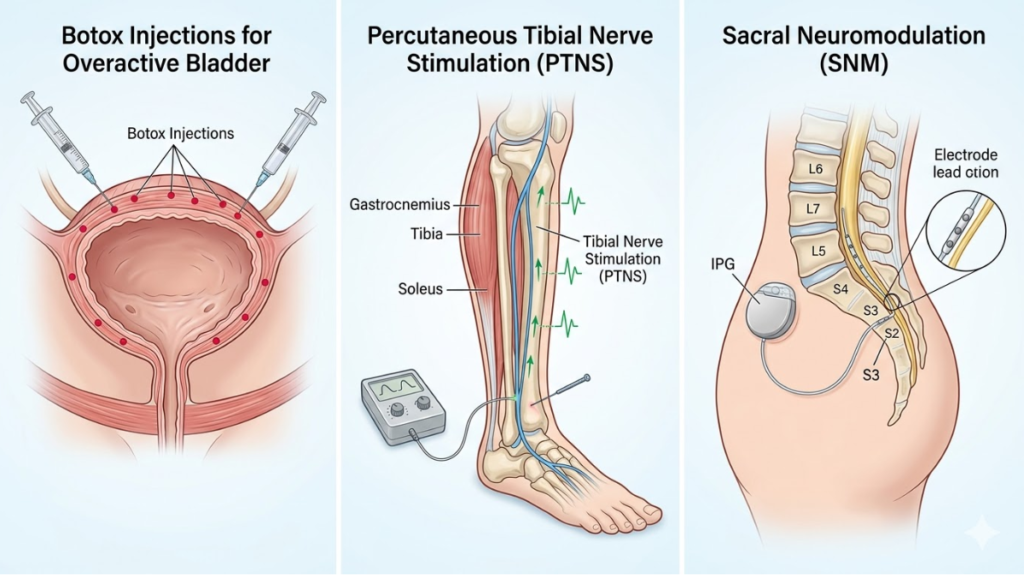
Botulinum toxin injections paralyze overactive bladder muscles, preventing involuntary contractions that cause urgency and incontinence. The treatment has been extensively studied and demonstrates excellent effectiveness for moderate to severe symptoms. Botox provides symptom relief lasting approximately six to twelve months before repeat injections become necessary.

This therapy particularly benefits people who cannot tolerate oral medications or achieve insufficient improvement from conventional treatments.

How Bladder Botox Treatment Works

Botox blocks nerve signals triggering bladder muscle contractions, allowing greater urine storage capacity. The medication remains localized to injected areas rather than spreading throughout your body. Multiple small injections distributed across the bladder wall ensure comprehensive coverage.

Effects develop gradually over one to two weeks following injection, with maximum benefit appearing around four weeks.

Botox Injection Procedure and Recovery

Botox bladder injections occur as an outpatient office procedure using local anesthesia and sometimes mild sedation. Your healthcare provider uses a cystoscope to visualize bladder interior and precisely place approximately twenty injections. The entire process takes fifteen to thirty minutes.

Most people resume normal activities immediately following treatment, experiencing only mild discomfort. Temporary urinary retention occurs in approximately 5-10% of patients, occasionally requiring short-term catheterization.

Duration of Botox Effects for OAB

Botox symptom relief typically persists six to nine months, though individual duration varies. Some people experience twelve months of benefit, while others require repeat injections after four to five months. Symptom recurrence develops gradually rather than suddenly.

Regular maintenance treatments sustain long-term symptom control. Most people maintain good response through multiple treatment cycles without developing tolerance.

Percutaneous Tibial Nerve Stimulation (PTNS)

Percutaneous tibial nerve stimulation delivers electrical impulses through a small needle placed near your ankle, indirectly affecting bladder nerve pathways. This minimally invasive approach modulates nerve signals controlling bladder function. PTNS produces no medication side effects and works through mechanisms completely different from drug therapy.

The treatment particularly appeals to people seeking non-medication approaches or those who haven’t responded to conventional therapies.

PTNS Treatment Sessions and Protocol

Standard PTNS protocols involve twelve weekly thirty-minute sessions performed in your healthcare provider’s office. A thin needle electrode inserted near your ankle delivers mild electrical pulses that travel through the tibial nerve to sacral nerves controlling bladder function. Most people describe the sensation as tingling or mild pulsing.

Following initial treatment series, many people require monthly maintenance sessions to sustain symptom improvement. The cumulative effect builds over weeks rather than producing immediate results.

Success Rates with Tibial Nerve Therapy

Clinical studies demonstrate that approximately 60-80% of people experience meaningful symptom improvement with PTNS. Success rates compare favorably with medications while avoiding systemic side effects. Some individuals achieve complete symptom resolution, while others notice moderate improvement.

Response becomes apparent around week six to eight of treatment, with maximum benefit often developing after completing the full twelve-session protocol.

Sacral Neuromodulation (SNM) Implants

Sacral neuromodulation uses an implanted device that continuously sends electrical impulses to sacral nerves controlling bladder function. This bladder pacemaker modulates abnormal nerve signals contributing to overactive bladder symptoms. SNM provides symptom control for people who haven’t responded to conservative treatments or medications.

The therapy offers long-term solution potential, though it requires surgical implantation and ongoing device management.

Two-Stage SNM Implantation Process

SNM implantation occurs through a two-stage process allowing you to test effectiveness before permanent device placement. During stage one, your surgeon places a temporary electrode wire near sacral nerves in your lower back. An external stimulator worn on your belt delivers programming during a trial period lasting one to two weeks.

If you experience at least 50% symptom improvement during the trial, stage two proceeds with implanting a permanent battery-powered stimulator under your skin. The programmable device can be adjusted externally to optimize symptom control.

Living with a Sacral Nerve Stimulator

Most people adapt quickly to sacral nerve stimulators, which function automatically without conscious awareness. The implanted battery lasts five to fifteen years depending on usage settings. Some people feel mild tingling sensations when the device activates.

Regular follow-up appointments allow device programming adjustments to maintain optimal symptom control. MRI compatibility varies by device model, requiring discussion before procedures requiring magnetic imaging.

Surgical Options for Severe Overactive Bladder

Surgical interventions for overactive bladder represent last-resort options reserved for severe, refractory symptoms unresponsive to all conservative and medical treatments. These major procedures significantly alter bladder anatomy and function, carrying substantial risks and recovery requirements. Healthcare providers rarely recommend surgery, attempting all other options first.

Surgical candidates typically have severely impaired quality of life despite maximum medical therapy, making significant lifestyle alterations acceptable trade-offs for symptom relief.

Bladder Augmentation Surgery

Augmentation cystoplasty enlarges bladder capacity by surgically attaching intestinal tissue to the bladder wall. This complex procedure reduces bladder pressure and involuntary contractions by increasing storage volume. Recovery requires several weeks, and potential complications include infection, urinary retention requiring catheterization, and metabolic abnormalities.

The surgery provides relief for carefully selected patients with severe symptoms and documented small bladder capacity despite other treatments.

Urinary Diversion Procedures

Urinary diversion redirects urine flow away from your bladder entirely, either to an external collection bag or an internal pouch created from intestinal tissue. These dramatic procedures essentially bypass bladder dysfunction by creating alternative urine storage and elimination systems. Significant lifestyle adjustments and potential complications make diversion procedures truly last-resort options.

Quality of life often improves substantially despite procedure invasiveness when severe symptoms previously prevented normal functioning.

When Surgery Becomes Necessary for OAB

Surgery becomes consideration only after exhausting behavioral therapies, multiple medication trials, Botox injections, and nerve stimulation without adequate improvement. Symptoms must severely impair quality of life and daily functioning to justify surgical risks. Many people find acceptable symptom control through less invasive approaches, never requiring surgical intervention.

Thorough counseling about realistic expectations, potential complications, and lifestyle changes helps ensure informed decision-making about surgical options.

Preventing Overactive Bladder

While not all overactive bladder cases are preventable, certain lifestyle strategies reduce your risk of developing symptoms. Proactive bladder health maintenance proves easier than treating established dysfunction. These preventive measures also support overall pelvic health and general wellness.

Implementing protective strategies early provides the greatest benefit, though starting at any age offers advantages.

Proactive Pelvic Floor Strengthening

Regular pelvic floor exercises throughout life build and maintain muscle strength supporting optimal bladder control. Strong pelvic floor muscles provide better urgency resistance and reduce incontinence risk. Women benefit particularly from pelvic floor conditioning before and after pregnancy.

Consistent exercise practice yields better results than sporadic intensive efforts. Many people incorporate pelvic floor exercises into daily routines, performing them during routine activities like brushing teeth or commuting.

Managing Chronic Conditions That Affect Bladder Function

Effectively controlling diabetes helps prevent nerve damage that can trigger overactive bladder symptoms. Maintaining healthy blood pressure and cholesterol levels supports good circulation to pelvic tissues. Prompt treatment of urinary tract infections prevents chronic bladder irritation that may contribute to long-term dysfunction.

Regular health maintenance and monitoring catch developing problems early when interventions prove most effective.

Reducing Anxiety Causing Overactive Bladder

Stress management techniques including meditation, regular exercise, and adequate sleep help minimize anxiety’s impact on bladder function. Cognitive behavioral therapy addresses thought patterns that amplify bladder symptom awareness and distress. Some people find that treating underlying anxiety disorders substantially improves bladder symptoms.

The mind-body connection in overactive bladder makes psychological wellness an important component of comprehensive bladder health.

Living with Overactive Bladder

Successfully managing overactive bladder involves adapting daily routines while pursuing symptom control through appropriate treatments. Many people develop effective coping strategies that maintain quality of life despite ongoing symptoms. Accepting that overactive bladder is manageable rather than curable helps establish realistic expectations.

Support from healthcare providers, family, and friends makes the journey easier and more successful.

Daily Self-Care Strategies

Protective garments provide security and confidence when venturing from home, reducing anxiety about potential accidents. Skin care routines using gentle cleansers and moisture barrier products prevent irritation from frequent pad changes. Portable bathroom locator apps help identify facilities wherever you travel.

Planning bathroom breaks during long activities or events allows you to maintain participation in meaningful life experiences. Small accommodations enable full engagement rather than complete activity avoidance.

Travel Tips for People with OAB

Research bathroom locations along travel routes before departing, mapping rest stops during car trips. When flying, request aisle seats for easy bathroom access without disturbing other passengers. Portable urinals provide emergency options during long drives through remote areas.

Adjusting fluid intake timing around travel schedules helps minimize urgent episodes during inconvenient moments. Many people reduce fluid consumption two hours before departure while maintaining adequate overall hydration.

Finding Support Groups and Resources

Connecting with others managing overactive bladder reduces isolation and provides practical advice from people with lived experience. Online support communities offer anonymous forums for discussing concerns you might feel uncomfortable raising with family. National organizations provide educational materials and advocacy for bladder health issues.

Professional counseling helps some people process emotional impacts and develop healthy coping mechanisms for managing chronic symptoms.

Talking to Family and Friends About OAB

Honest communication with trusted people in your life builds understanding and support for challenges you face. Explaining that overactive bladder is a medical condition rather than personal weakness helps others respond with empathy. Family members can accommodate your needs by planning shorter outings or ensuring bathroom access during visits.

Most people find that their concerns about others’ reactions exceed actual responses – loved ones typically want to help once they understand your situation.

Prognosis and Long-Term Outlook for Overactive Bladder

Long-term overactive bladder outlook depends heavily on symptom severity, underlying causes, and treatment adherence. Most people achieve substantial improvement through appropriate therapy, though complete symptom elimination may not occur. Many individuals find that their symptoms fluctuate over time, with periods of better and worse control.

Realistic expectations combined with persistent treatment efforts produce the best long-term satisfaction with symptom management.

Expected Improvements with Treatment

Most treatment approaches produce 50-70% symptom reduction when properly implemented. Some people achieve greater improvement, while others experience more modest benefits. Combination approaches typically outperform single interventions, justifying multi-modal treatment strategies.

Improvements often include reduced urgency frequency, longer intervals between bathroom visits, fewer nighttime awakenings, and decreased incontinence episodes. Even partial improvement significantly enhances quality of life for most people.

Managing Persistent or Recurrent Symptoms

Symptoms may recur after initial improvement when treatments are discontinued prematurely or lifestyle modifications aren’t maintained. Some people require ongoing therapy indefinitely to sustain symptom control. Periodic treatment adjustments address changing symptoms or tolerance issues.

Breakthrough symptoms during treatment don’t necessarily indicate failure – they may signal need for dose adjustments or addition of complementary therapies.

Quality of Life After OAB Treatment

Most people report dramatic quality of life improvements after finding effective treatment strategies. Renewed ability to participate in social activities, improved sleep, reduced anxiety, and restored confidence provide benefits extending far beyond simple symptom reduction. Many individuals describe feeling like they’ve reclaimed their lives.

Treatment success should be measured by your personal satisfaction with symptom control and functional restoration rather than achieving perfect bladder function.

Specialists and Healthcare Providers for OAB

Multiple healthcare professional types possess knowledge and skills to evaluate and treat overactive bladder effectively. Selecting providers with specific bladder dysfunction expertise often produces better outcomes than consulting generalists without specialized training. Don’t hesitate to request referrals to specialists when initial treatments prove inadequate.

Building a collaborative relationship with knowledgeable providers forms the foundation for successful long-term symptom management.

Urologists and Urogynecologists

Urologists specialize in urinary tract disorders for all genders, bringing extensive experience with bladder dysfunction treatments. Urogynecologists focus specifically on female pelvic health, combining gynecological and urological expertise. Both specialist types perform advanced procedures like Botox injections, nerve stimulation, and surgical interventions when necessary.

Specialists stay current with latest research and treatment options, often providing access to newer therapies before they become widely available.

Pelvic Floor Physical Therapists

Pelvic floor physical therapists specialize in muscles and connective tissues supporting bladder, bowel, and reproductive organ function. These professionals teach proper exercise techniques, use biofeedback for muscle training, and address musculoskeletal contributions to bladder symptoms. Physical therapy complements medical treatments by optimizing pelvic floor function.

Working with experienced pelvic floor therapists often produces breakthrough improvements when other approaches have plateaued.

Preparing for Your Healthcare Appointments

Bring completed bladder diaries, medication lists, and written questions to maximize appointment productivity. Consider bringing a trusted friend or family member to help remember information and provide emotional support. Don’t minimize symptoms or avoid discussing embarrassing details – complete honesty allows providers to help you most effectively.

Follow through with recommended tests and treatments even if they seem unnecessary or inconvenient. Healthcare providers base recommendations on clinical experience identifying what works best for symptom patterns like yours.

Common Questions About Overactive Bladder (FAQ)

Can overactive bladder be cured permanently?

Overactive bladder cannot typically be permanently cured, but symptoms can be effectively managed through ongoing treatment. Many people achieve excellent long-term control combining lifestyle modifications with appropriate therapies.

How long does it take for OAB treatments to work?

Lifestyle changes and behavioral therapies show improvement within 6-8 weeks, while medications typically work within 2-4 weeks. Advanced treatments like Botox produce effects in 1-2 weeks, with maximum benefit at 4 weeks.

Is overactive bladder more common in men or women?

Overactive bladder affects up to 40% of women and 30% of men, making it more common in females. Women often develop symptoms at younger ages, typically around 45, while men commonly experience OAB after age 65.

Can stress or anxiety make overactive bladder worse?

Yes, anxiety causing overactive bladder symptoms is well-documented. Stress activates nervous system pathways affecting bladder sensation and function. Managing anxiety through relaxation techniques often improves bladder symptoms.

Are there natural remedies for overactive bladder?

Natural approaches include pelvic floor exercises, dietary modifications avoiding bladder irritants, weight management, and bladder retraining. While not “remedies,” these evidence-based strategies effectively reduce symptoms for many people.

Will I need surgery for my overactive bladder?

Most people never require surgery for overactive bladder. Conservative treatments, medications, and minimally invasive therapies control symptoms adequately for the vast majority. Surgery is reserved for severe, treatment-resistant cases.

Can certain medications cause overactive bladder symptoms?

Yes, diuretics, some antidepressants, sedatives, and other medications can trigger or worsen overactive bladder. Always discuss medication side effects with your healthcare provider, as alternatives may be available.

How is overactive bladder different from urinary incontinence?

Overactive bladder is a syndrome of urgency, frequency, and possibly incontinence, while urinary incontinence simply means urine leakage. Stress incontinence causes leakage with coughing or exercise, distinct from OAB’s urgency-related leakage.

Can overactive bladder lead to kidney problems?

Overactive bladder itself doesn’t typically cause kidney damage. However, underlying conditions causing OAB or incomplete bladder emptying may affect kidney health. Proper diagnosis and treatment prevent complications.

Is it safe to exercise with overactive bladder?

Exercise is safe and beneficial for overactive bladder, supporting weight management and overall health. Choose activities with easy bathroom access initially. Pelvic floor strengthening exercises specifically improve bladder control during physical activity.


Take Control of Your Overactive Bladder Today

Overactive bladder significantly impacts daily life, but effective treatments exist that restore control and confidence. From simple lifestyle modifications to advanced medical therapies, options address every symptom severity level. The key to successful management starts with seeking professional evaluation and committing to a comprehensive treatment approach.

Don’t let embarrassment prevent you from getting help. Healthcare providers understand overactive bladder as a common medical condition deserving compassionate, effective treatment. Schedule an appointment today to begin your journey toward better bladder health and improved quality of life.


Meta Tags

Meta Title: Overactive Bladder: Symptoms, Causes & Treatment Guide

Meta Description: Discover effective overactive bladder treatments, symptoms, and causes. Expert guidance on OAB management, medications, and lifestyle changes. Get relief today.

Image Alt Text: Person confidently discussing overactive bladder treatment options with compassionate healthcare provider in modern medical office


Prompt para Imagem (Midjourney/DALL-E)

A photorealistic cinematic image in 16:9 aspect ratio showing a middle-aged person with a relieved, hopeful expression sitting in a bright, modern medical consultation room, facing a compassionate healthcare provider. The person’s face is clearly visible and in sharp focus in the foreground, showing genuine emotion and confidence. The background is softly blurred showing medical office elements – diplomas on wall, medical charts, natural window light. Warm, professional color palette with soft natural lighting. Hyper-realistic style, shallow depth of field, professional medical photography aesthetic. The image conveys hope, professionalism, and patient empowerment.

Leave a Reply

Your email address will not be published. Required fields are marked *