

Overactive Bladder Explained 🔎 Causes, Treatments & Natural Solutions | OAB Bladder Guide
Overactive Bladder Explained 🔎 Causes, Treatments & Natural Solutions | OAB Bladder Guide
Learn everything about overactive bladder (OAB) – causes, symptoms, treatments and natural solutions. Expert guide to help you regain confidence and control your bladder health effectively.
Have you ever felt that sudden, overwhelming urge to use the bathroom – so strong that you panic about making it in time? That moment when your body seems to betray you, leaving you searching desperately for the nearest restroom? You’re not alone in this struggle. Millions of people worldwide experience these challenging moments daily, and today we’re going to talk about why this happens and, most importantly, what you can do about it.
Understanding Overactive Bladder: What’s Really Happening? 🤔
Let me start by telling you something important – what you’re experiencing has a name, and it’s completely treatable. Overactive bladder, often called OAB, affects your daily life in ways that go far beyond just physical discomfort.
When we talk about bexiga hiperativa, we’re describing a condition where your bladder muscles contract involuntarily, creating that sudden, intense urge to urinate. Think of it like a car alarm that goes off unexpectedly – your bladder is sending urgent signals even when it’s not completely full.
This isn’t about drinking too much water or having weak willpower. It’s a legitimate medical condition that affects people of all ages, though it becomes more common as we get older. Women are particularly affected, with nearly 40% experiencing some form of bladder control issues during their lifetime.
The Hidden Impact on Your Daily Life 💔
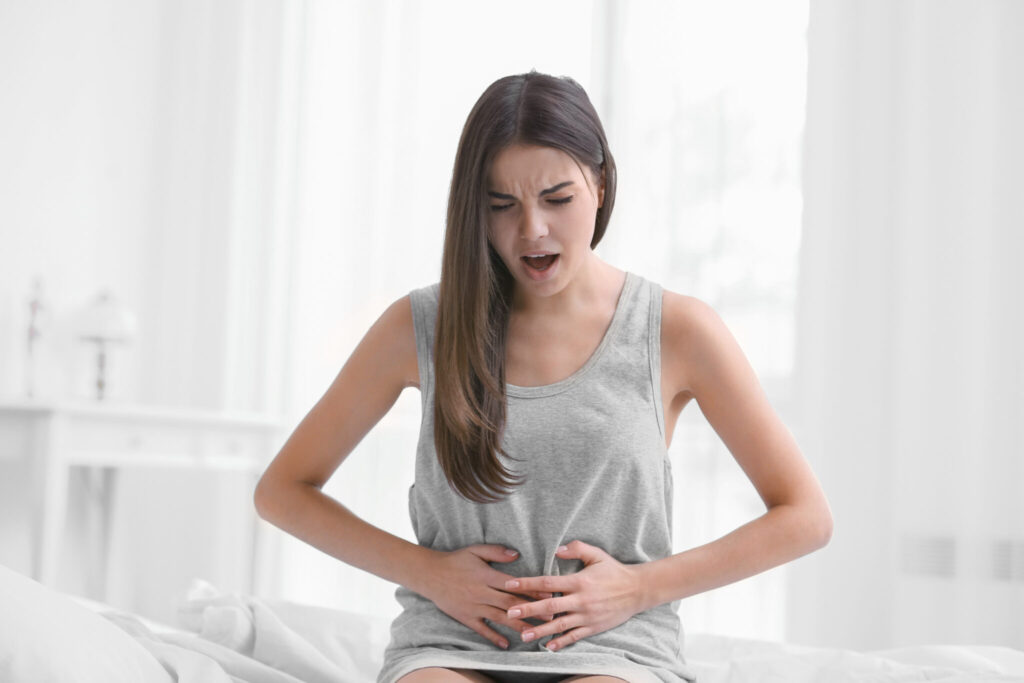
Before we dive into solutions, let’s acknowledge something real – living with bexiga urinária hiperativa changes everything. It affects your sleep when you wake up multiple times at night. It influences your work when you’re constantly worried about bathroom access. It impacts your relationships when you decline social invitations out of fear.
Many people start planning their entire day around bathroom locations. They avoid long car trips, skip movie theaters, and even limit their fluid intake – which, ironically, can make the problem worse.
The emotional toll is just as significant as the physical one. Feelings of embarrassment, anxiety, and even depression are common. But here’s what I want you to understand – these feelings are valid, but they don’t have to be permanent.
What Causes Overactive Bladder? Understanding the Root 🌱
Physical Causes
Your bladder is controlled by a complex network of nerves, muscles, and hormones. When any part of this system gets disrupted, problems can occur. Here are the main culprits:
Nerve Problems: Conditions like diabetes, multiple sclerosis, or stroke can interfere with the signals between your brain and bladder.
Hormonal Changes: For women, menopause brings decreased estrogen levels, which can weaken pelvic floor muscles and bladder lining.
Infections: Urinary tract infections can irritate the bladder, making it more sensitive and reactive.
Medications: Some blood pressure medications, diuretics, and even certain antidepressants can affect bladder function.
Lifestyle Factors
Sometimes, our daily habits contribute to the problem without us realizing it:
- Caffeine and alcohol act as bladder irritants
- Artificial sweeteners can trigger symptoms
- Not drinking enough water concentrates urine, irritating the bladder
- Constipation puts extra pressure on the bladder
Recognizing the Signs: Is It Really Overactive Bladder? ✅
Bexiga hiperativa has specific symptoms that distinguish it from other bladder issues:
Primary Symptoms:
- Urgency: That sudden, strong need to urinate that’s difficult to control
- Frequency: Urinating more than 8 times in 24 hours
- Nocturia: Waking up 2 or more times at night to urinate
- Urgency incontinence: Sometimes not making it to the bathroom in time
When to Seek Help:
You should talk to a healthcare provider if:
- Symptoms interfere with your daily activities
- You’re avoiding social situations
- You’re not sleeping well due to nighttime bathroom trips
- You experience pain or burning during urination
Medical Diagnosis: The Bexiga Hiperativa CID10 Classification 📋
In medical terms, overactive bladder falls under the ICD-10 (International Classification of Diseases) coding system. The bexiga hiperativa CID10 codes help doctors properly diagnose and treat the condition:
- N32.81: Overactive bladder
- N39.41: Urge incontinence
- N39.46: Mixed incontinence
This classification helps ensure you receive appropriate treatment and, if applicable, insurance coverage for your care.
Conventional Treatment Options: What Doctors Usually Recommend 💊
Medications
Tratamento para bexiga hiperativa typically starts with medications called anticholinergics. These include:
- Oxybutynin (Ditropan)
- Tolterodine (Detrol)
- Solifenacin (Vesicare)
These medications work by blocking nerve signals that cause bladder contractions. However, they often come with side effects like dry mouth, constipation, blurred vision, and cognitive issues – especially concerning for older adults.
Advanced Medical Procedures
When medications don’t work, doctors might suggest:
Botox Injections: Botulinum toxin injected directly into the bladder muscle can reduce contractions for 6-9 months.
Nerve Stimulation: Devices that send electrical pulses to nerves controlling the bladder.
Surgery: In severe cases, procedures to increase bladder capacity or create alternative urine storage.

Natural and Alternative Solutions: Terapias para Bexiga Hiperativa 🌿
Many people prefer starting with natural approaches or using them alongside conventional treatment. Here’s what research supports:
Dietary Changes
Anti-inflammatory foods can reduce bladder irritation:
- Leafy greens rich in magnesium
- Berries with antioxidants
- Omega-3 fatty acids from fish
- Probiotic-rich foods for gut health
Foods to limit:
- Caffeine (coffee, tea, chocolate)
- Alcohol
- Spicy foods
- Artificial sweeteners
- Citrus fruits (for some people)
Herbal Remedies
Several plants have traditionally been used for bladder health:
Pumpkin seed extract contains compounds that may strengthen pelvic floor muscles and reduce urgency.
Cornsilk has been used traditionally as a gentle diuretic that may soothe the urinary tract.
Gosha-jinki-gan, a Japanese herbal formula, has shown promise in clinical studies for reducing OAB symptoms.
Pelvic Floor Exercises
Kegel exercises strengthen the muscles that support your bladder:
- Identify the right muscles: Stop urination midstream – those are your pelvic floor muscles
- Contract and hold: Tighten these muscles for 3 seconds
- Relax: Release for 3 seconds
- Repeat: Build up to 3 sets of 10 repetitions daily
Bladder Training
This involves gradually increasing the time between bathroom visits:
- Start by delaying urination for 5 minutes when you feel the urge
- Gradually increase the delay time
- Use relaxation techniques during the wait
- Aim for 3-4 hour intervals between bathroom visits
Managing Incontinência de Urgência para Bexiga Hiperativa: Practical Tips 🛡️
Living with urgency incontinence requires practical strategies:
Immediate Management:
- Bathroom mapping: Know where restrooms are located wherever you go
- Protective products: Use pads or undergarments designed for incontinence
- Spare supplies: Keep extra clothing and hygiene items with you
- Quick-dry fabrics: Choose clothing materials that dry faster if accidents occur
Long-term Strategies:
- Scheduled voiding: Use the bathroom at regular intervals, even if you don’t feel the urge
- Double voiding: Urinate, wait a few seconds, then try again to empty your bladder completely
- Fluid management: Drink adequate water throughout the day, but limit intake before bedtime
[INSERIR IMAGEM: A woman confidently walking outdoors, representing freedom and confidence after managing OAB symptoms]
The Mind-Body Connection: Addressing Anxiety and Stress 🧠💚
Stress and anxiety can worsen overactive bladder symptoms, creating a vicious cycle. When you’re worried about having an accident, your body produces stress hormones that can actually increase bladder sensitivity.
Stress Reduction Techniques:
Deep breathing exercises: Practice 4-7-8 breathing (inhale for 4, hold for 7, exhale for 8)
Mindfulness meditation: Even 10 minutes daily can help reduce overall stress levels
Progressive muscle relaxation: Systematically tense and release muscle groups
Yoga and tai chi: Gentle movements that combine physical activity with stress relief
Sleep and Overactive Bladder: Breaking the Nocturia Cycle 🌙
Nighttime bathroom trips (nocturia) are among the most disruptive aspects of OAB. Here’s how to minimize their impact:
Evening Routines:
- Limit fluids 2-3 hours before bedtime
- Use the bathroom twice before sleeping (once when getting ready for bed, once right before lying down)
- Elevate your legs for 30 minutes before bedtime to reduce fluid retention
- Keep a bedside urinal or commode for safety if mobility is an issue
Bedroom Setup:
- Clear pathway to bathroom with adequate lighting
- Non-slip rugs to prevent falls during nighttime trips
- Motion-sensor lights for hands-free illumination
Exercise and Physical Activity: Strengthening Your Core 💪
Regular exercise benefits overactive bladder in multiple ways:
Recommended Activities:
Low-impact cardio: Walking, swimming, cycling (avoid high-impact activities that put pressure on the pelvic floor)
Core strengthening: Planks, bridge poses, and modified crunches
Flexibility work: Stretching helps reduce tension in pelvic muscles
Water exercises: Swimming and water aerobics provide gentle resistance training
Avoid exercises that involve jumping, heavy lifting, or intense abdominal pressure, as these can worsen symptoms.
Nutrition for Bladder Health: Feeding Your Body Right 🥗
Your diet plays a crucial role in bladder health. Here’s how to optimize your nutrition:
Bladder-Friendly Nutrients:
Vitamin D: Essential for muscle function, including bladder muscles. Found in fatty fish, fortified foods, and through sun exposure.
Magnesium: Helps relax smooth muscle tissue. Good sources include leafy greens, nuts, and whole grains.
Vitamin C: Supports immune function and may help prevent UTIs, but avoid excessive amounts that can irritate the bladder.
Hydration Strategy:
- Drink 6-8 glasses of water daily (don’t restrict fluids thinking it will help)
- Spread fluid intake throughout the day rather than drinking large amounts at once
- Choose water over other beverages when possible
[INSERIR IMAGEM: A colorful array of bladder-friendly foods including leafy greens, berries, and nuts]
Tracking Your Progress: The Power of Bladder Diaries 📝
Keeping a bladder diary helps you and your healthcare provider identify patterns and triggers:
What to Track:
- Time of each bathroom visit
- Volume of urine (estimate: small, medium, large)
- Urgency level (1-5 scale)
- Accidents and their circumstances
- Fluid intake and types of beverages
- Activities when symptoms occur
Track for at least 3-7 days to establish patterns. This information is invaluable for personalizing your treatment approach.
Building Your Support System: You Don’t Have to Face This Alone 👥
Living with overactive bladder can feel isolating, but support is available:
Professional Support:
Urologists: Specialists in urinary system disorders Urogynecologists: Experts in pelvic floor disorders (for women) Physical therapists: Trained in pelvic floor rehabilitation Counselors: Help with the emotional aspects of chronic conditions
Peer Support:
Online communities: Forums and social media groups for people with similar experiences Local support groups: Check with hospitals or community centers Educational workshops: Many healthcare systems offer bladder health classes
Remember: Seeking help is a sign of strength, not weakness. You deserve to live without constant worry about your bladder.
The Role of Hormones in Women’s Bladder Health 🌸
For women, hormonal changes significantly impact bladder function:
Menopause and Beyond:
Estrogen decline affects:
- Bladder and urethral tissue thickness
- Pelvic floor muscle strength
- Natural lubrication and pH balance
Hormone Replacement Therapy (HRT):
Some women benefit from HRT for bladder symptoms, but this decision requires careful consideration with a healthcare provider due to potential risks and benefits.
Natural Hormone Support:
Phytoestrogens from soy, flax seeds, and red clover may provide gentle hormonal support.
Creating Your Personal Action Plan 📋
Based on everything we’ve covered, here’s how to create your personalized approach:
Step 1: Assessment
- Keep a bladder diary for one week
- List your most bothersome symptoms
- Identify your primary triggers
- Assess your current stress levels and coping mechanisms
Step 2: Lifestyle Modifications
- Start with one change at a time (diet, exercise, or stress management)
- Set realistic goals (example: do Kegels for 5 minutes daily rather than aiming for 30 minutes)
- Track your progress to stay motivated
Step 3: Professional Consultation
- Bring your bladder diary to your appointment
- Prepare questions about treatment options
- Discuss natural approaches alongside conventional treatments
- Ask about potential side effects of any recommended medications
Debunking Common Myths About Overactive Bladder ❌
Let’s clear up some misconceptions:
Myth: “It’s just part of getting older, so I have to accept it.” Truth: While OAB becomes more common with age, it’s not inevitable and is very treatable.
Myth: “Drinking less water will help.” Truth: Restricting fluids can make symptoms worse by concentrating urine and irritating the bladder.
Myth: “Only women get overactive bladder.” Truth: Men can develop OAB too, especially those with prostate issues.
Myth: “Surgery is the only effective treatment.” Truth: Many people find relief through lifestyle changes, natural approaches, and non-surgical treatments.
Looking Forward: Your Journey to Bladder Freedom 🌈
Recovery from overactive bladder isn’t always linear. You might have good days and challenging days, and that’s completely normal. What matters is that you’re taking steps toward improvement.
Signs of Progress:
- Longer intervals between bathroom visits
- Better sleep quality with fewer nighttime interruptions
- Increased confidence in social situations
- Reduced urgency intensity
- Fewer accidents
Celebrating Small Wins:
- Making it through a movie without a bathroom break
- Sleeping through the night
- Attending social events without anxiety
- Traveling without excessive bathroom planning

Frequently Asked Questions (FAQ) ❓
Q: How long does it take to see improvement with natural treatments? A: Most people notice some improvement within 2-6 weeks of consistent lifestyle changes. Natural supplements may take 4-8 weeks to show full effects.
Q: Can overactive bladder be completely cured? A: While there’s no guaranteed cure, most people can achieve significant improvement or complete symptom control with the right combination of treatments.
Q: Is it safe to combine natural remedies with prescription medications? A: Always consult your healthcare provider before combining treatments, as some natural products can interact with medications.
Q: Will I need to use adult diapers forever? A: Protective products are a temporary solution while you work on treating the underlying condition. Many people reduce or eliminate their need for these products as symptoms improve.
Q: Can stress really make overactive bladder worse? A: Yes, stress hormones can increase bladder sensitivity and worsen symptoms. Managing stress is an important part of treatment.
Quick Reference: Key Points to Remember ⚡
- Overactive bladder is a treatable medical condition, not a normal part of aging
- Multiple treatment options exist, from lifestyle changes to medications to natural approaches
- Pelvic floor exercises and bladder training can provide significant improvement
- Diet and stress management play important roles in symptom control
- Tracking symptoms helps identify patterns and effective treatments
- Professional support is available and recommended
- Natural approaches can be effective either alone or combined with conventional treatment
- Hormonal changes significantly impact women’s bladder health
- Patience and consistency are key to successful treatment
- Small improvements are worth celebrating and build momentum
Your Next Step Toward Freedom 🌟
You’ve just learned everything you need to know about overactive bladder – from understanding why it happens to exploring both conventional and natural treatment options. You now have the knowledge to make informed decisions about your bladder health.
But knowledge alone isn’t enough. The key is taking action.
Throughout this guide, we’ve discussed how certain natural ingredients like pumpkin seed extract, cornsilk, and specialized herbal blends can support bladder health. We’ve talked about the importance of addressing both physical symptoms and emotional stress. We’ve explored how hormonal balance plays a crucial role in women’s bladder function.
🌸 What if there was a way to combine all of these insights into one comprehensive solution?
Imagine waking up tomorrow with the confidence that comes from knowing you have support – a carefully researched, natural formula that addresses the multiple factors contributing to overactive bladder. Picture yourself planning activities without constantly worrying about bathroom access. Envision sleeping through the night peacefully, without interruptions.
This isn’t just wishful thinking. Thousands of women have already transformed their lives using a breakthrough approach that combines traditional wisdom with modern science. This natural formula targets the root causes we’ve discussed – from bladder muscle function to stress response to hormonal balance.
The question isn’t whether change is possible – it’s whether you’re ready to embrace it.
Your bladder issues didn’t develop overnight, and lasting improvement takes time. But every journey begins with a single step. That step could be right now, in this moment, when you decide that you deserve better than constantly managing symptoms.
🔥 Don’t let another day pass feeling prisoner to your own body. You have the power to reclaim your confidence, your sleep, your social life, and your peace of mind. The natural solution that’s already helping thousands of women is waiting for you.

💖 Leitura Recomendada
Descubra mais conteúdos inspiradores e fontes médicas confiáveis sobre saúde feminina:
📚 Recommended for You (50)

Adele Smith is a health and wellness researcher specializing in natural solutions for vision care, nutrition, and healthy aging.
For several years, she has studied the relationship between lifestyle, dietary supplements, and long-term eye health. Her work focuses on helping readers understand natural approaches that may support vision and promote overall wellness.
Through her articles, Adele shares research-based insights and educational health information designed to help readers make informed decisions about their well-being.