


OVERACTIVE BLADDER: A COMPLETE GUIDE to Symptoms, Causes, and Natural Relief!

OVERACTIVE BLADDER: A COMPLETE GUIDE to Symptoms, Causes, and Natural Relief!
Have you ever avoided leaving home because you feared not finding a bathroom in time? Or woken up multiple times at night rushing to the restroom, losing entire nights of sleep?
If you’re experiencing this, know that you’re not alone. Millions of women suffer from overactive bladder, and many don’t even know that effective natural solutions exist.
In this article, you’ll discover everything about this condition, its real causes, and most importantly, how to regain your freedom and confidence naturally and safely.
What is Overactive Bladder (OAB)?
Overactive bladder is a condition where your bladder muscle contracts involuntarily, creating a sudden and urgent need to urinate—even when your bladder isn’t full. This affects approximately 1 in 3 women over 40, but it can happen at any age.
It’s not just about needing to go to the bathroom frequently. It’s about the loss of control that impacts every aspect of your life—from your sleep to your social activities and even your confidence.
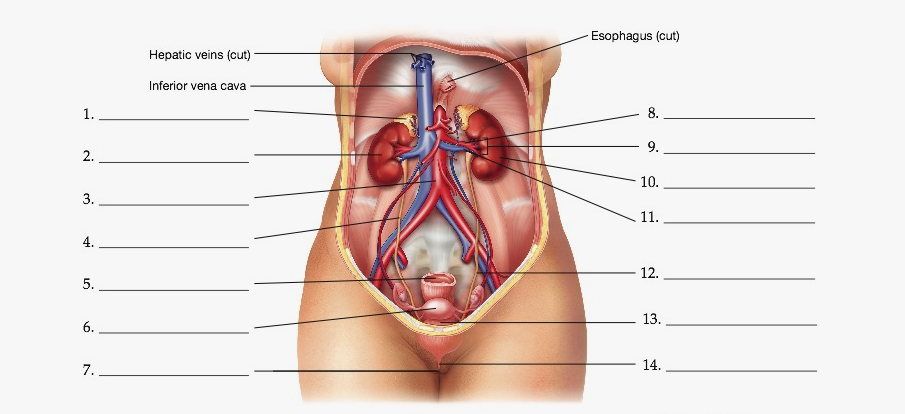
Understanding How the Urinary System Works
Your bladder is a muscular organ that stores urine. When it fills, nerve signals tell your brain it’s time to urinate. In a healthy system, you have complete control over when to release urine. However, with overactive bladder, these signals get mixed up, causing urgency even when there’s little urine present.
Difference Between Normal and Overactive Bladder
A healthy bladder can hold 400-600ml of urine and allows you to urinate 6-8 times per day. With overactive bladder, you may need to go more than 8 times daily, often with little warning and sometimes with involuntary leakage.
Why Does the Bladder Become Overactive?
The bladder muscle can become overactive due to several factors: weakened pelvic floor muscles, hormonal changes, neurological conditions, or even chronic inflammation. Understanding these overactive bladder causes is the first step toward effective treatment.
Is OAB the Same as Urinary Incontinence?
Not exactly. While overactive bladder can lead to urge incontinence (leakage), they’re not the same. OAB is characterized primarily by urgency, while incontinence refers specifically to involuntary urine loss. However, they often occur together and share similar treatments.
What Are the Symptoms of Overactive Bladder?
Recognizing the symptoms is crucial for getting the help you need. If you identify with 3 or more of these symptoms, it’s time to take action:
Urinary Urgency: The Main Warning Sign
😰 Sudden and uncontrollable urge to urinate – The hallmark symptom that feels like an emergency every time
🚽 Need to go to the bathroom more than 8 times a day – Far more than the normal 6-8 times
🌙 Waking up 2+ times at night to urinate (nocturia) – Disrupting your precious sleep cycles
💧 Small leaks when coughing, laughing, or exercising – Embarrassing moments that limit your activities
⚡ Inability to make it to the bathroom in time – Racing against the clock becomes your daily reality
😓 Feeling like your bladder never completely empties – Always feeling “full” even after going
🚫 Avoiding social activities – Fear of accidents keeps you home
😔 Anxiety around bathroom access – Constantly scanning for restrooms wherever you go
Daytime and Nighttime Urinary Frequency
Frequent urination during the day disrupts work, errands, and social interactions. However, nighttime frequency (nocturia) is particularly exhausting, as it prevents restorative sleep and leaves you fatigued.
Urge Incontinence and Urine Leakage
When urgency strikes and you can’t reach a bathroom in time, leakage occurs. This is called urge incontinence—one of the most distressing aspects of overactive bladder that affects confidence and quality of life.
How OAB Impacts Social and Emotional Life
Beyond physical symptoms, overactive bladder creates emotional distress: anxiety, embarrassment, social isolation, and even depression. Many women stop traveling, exercising, or engaging in intimate relationships because of fear and shame.
Do you recognize any of these symptoms? Then keep reading, because the solution is closer than you think.
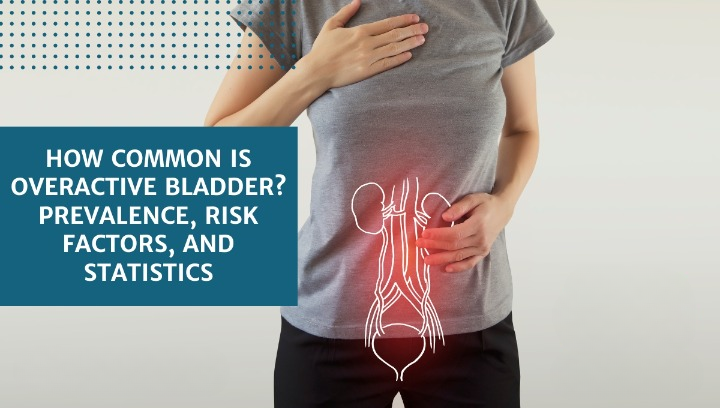
Causes and Risk Factors of Overactive Bladder
Understanding what triggers overactive bladder helps you address the root cause rather than just managing symptoms. There are several reasons why this condition develops, and some may surprise you:
Hormonal Imbalances
During menopause, declining estrogen levels weaken bladder tissues and pelvic floor muscles, making urgency and leakage more common. Consequently, postmenopausal women are at significantly higher risk for developing overactive bladder.
Weakened Pelvic Floor Muscles
Childbirth, aging, chronic coughing, and lack of targeted exercises can leave these crucial muscles unable to support proper bladder function. Moreover, pelvic floor weakness allows the bladder to drop slightly, interfering with normal control mechanisms.
Neurological and Muscular Changes
Conditions like Parkinson’s disease, multiple sclerosis, stroke, or spinal injuries can disrupt nerve signals between the brain and bladder. Additionally, these neurological changes may cause involuntary bladder contractions that create sudden urgency.
Associated Medical Conditions
Several health conditions increase your risk:
- Diabetes – High blood sugar damages nerves controlling the bladder
- Urinary tract infections (UTIs) – Chronic infections irritate bladder walls
- Bladder stones – Physical obstructions cause irritation and urgency
- Enlarged uterus or fibroids – Press against the bladder, reducing capacity
Lifestyle, Diet, and Habits That Worsen the Problem
Certain foods and beverages act as bladder irritants:
- Caffeine (coffee, tea, energy drinks)
- Alcohol
- Spicy foods
- Artificial sweeteners
- Carbonated beverages
- Acidic foods (citrus, tomatoes)
Furthermore, being overweight increases abdominal pressure on the bladder, while smoking causes chronic coughing that weakens pelvic muscles.
Differences Between Men and Women
Women are twice as likely as men to develop overactive bladder due to pregnancy, childbirth, and menopause. However, men can develop OAB, typically related to prostate issues.
Diagnosis of Overactive Bladder
Getting properly diagnosed is essential for effective treatment. Therefore, understanding what to expect can ease any anxiety about the process.
How Doctors Identify OAB
Your doctor will start with a detailed medical history and physical examination. They’ll ask about your symptoms, how often they occur, what triggers them, and how they affect your daily life.
Most Common Tests
Urinalysis – Tests for infection, blood, or other abnormalities
Post-void residual measurement – Ultrasound checks how much urine remains after urination
Bladder scan – Non-invasive imaging to assess bladder structure
Cystometry – Measures bladder pressure during filling and emptying (for complex cases)
Cystoscopy – Camera examination inside the bladder (when other conditions are suspected)
Bladder Diary: The Role of Daily Tracking
Your doctor may ask you to keep a bladder diary for 3-7 days, recording:
- Times and amounts of urination
- Fluid intake
- Urgency episodes
- Leakage incidents
- Activities during symptoms
This diary provides invaluable insights into your patterns and triggers.
When to See a Urologist or Gynecologist
If symptoms persist despite initial treatments, or if you have blood in urine, pelvic pain, or recurrent infections, your primary doctor may refer you to a specialist. Nevertheless, most cases can be managed successfully without invasive procedures.
Treatments for Overactive Bladder
The good news is that overactive bladder treatments are highly effective when properly applied. As a result, most women experience significant improvement or complete symptom control.
Lifestyle Changes and Bladder Retraining
First-line approaches focus on behavior modification and strengthening exercises.
Bladder Training Techniques
Gradually increasing the time between bathroom visits trains your bladder to hold more urine. Start by waiting 5-10 minutes when you feel urgency, then progressively extend the intervals over several weeks.
Fluid and Diet Control
Maintain adequate hydration (1.5-2 liters daily) but avoid drinking large amounts at once. Additionally, eliminate or reduce bladder irritants like caffeine, alcohol, and spicy foods from your diet.
Pelvic Floor Exercises (Kegels)
Strengthening your pelvic floor muscles provides better bladder support and control. To perform Kegels correctly:
- Identify the right muscles (those that stop urine flow)
- Contract for 5 seconds, then relax for 5 seconds
- Repeat 10-15 times, three times daily
- Gradually increase duration to 10-second holds
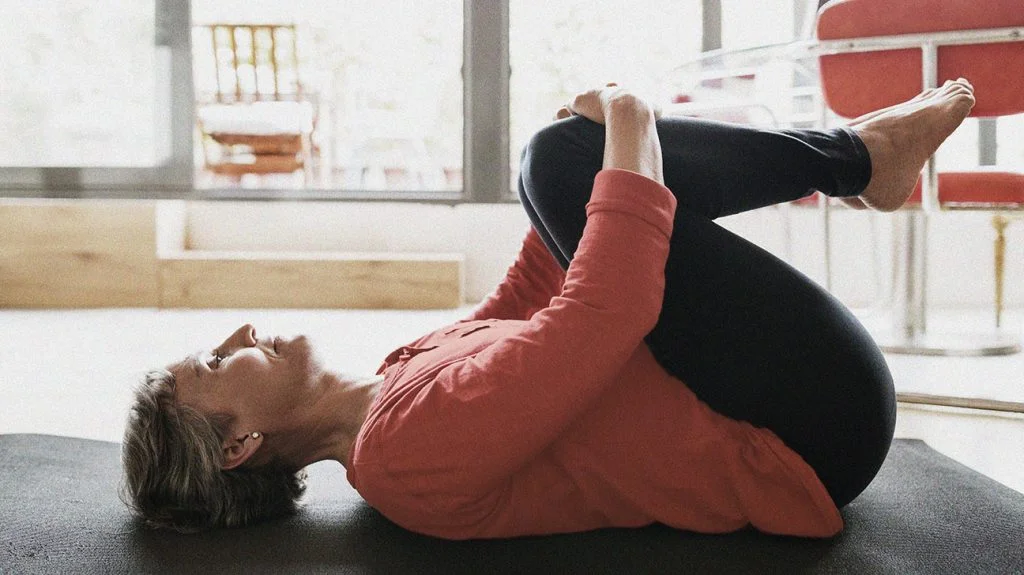
[IMAGE 3: Woman doing pelvic floor exercises overactive bladder treatment]
Alt text: Woman doing pelvic floor exercises overactive bladder treatment
Medications for OAB
When lifestyle changes aren’t sufficient, doctors may prescribe medications.
Anticholinergics
These medications (oxybutynin, tolterodine, solifenacin) relax the bladder muscle and reduce urgency.
Common side effects: Dry mouth, constipation, blurred vision, drowsiness
Consideration: Side effects can be uncomfortable and may not be suitable for everyone, especially older adults.
Beta-3 Adrenergics
Mirabegron works differently by relaxing the bladder muscle through a different mechanism, with fewer anticholinergic side effects.
Common side effects: Increased blood pressure, headache, urinary tract infection
Consideration: More expensive and requires blood pressure monitoring.
Side Effects and Precautions
While medications can be effective, many women experience bothersome side effects that reduce quality of life. Furthermore, long-term use raises concerns about cognitive effects, especially in older adults.

Advanced Treatments
For severe cases that don’t respond to first-line therapies, more advanced options exist.
Sacral Nerve Stimulation
A small device implanted under the skin sends electrical pulses to nerves that control the bladder, improving communication between brain and bladder.
Percutaneous Tibial Nerve Stimulation
A needle electrode inserted near the ankle stimulates nerves that affect bladder function. Treatment requires 12 weekly sessions.
Botulinum Toxin Injections
Botox injected directly into the bladder muscle paralyzes overactive areas, reducing urgency. However, effects last only 6-12 months, requiring repeated treatments.
Considerations: Invasive procedures with risks including urinary retention, requiring intermittent catheterization.
Surgeries and Urinary Reconstructions (Rare Cases)
Surgical intervention is rarely necessary and reserved only for severe, treatment-resistant cases. Procedures include bladder augmentation or urinary diversion.
Prevention and Healthy Habits to Control Overactive Bladder
Prevention is always better than treatment. Moreover, implementing these strategies can significantly reduce symptom severity or prevent OAB altogether.
Maintain Ideal Weight and Exercise Regularly
Excess weight increases abdominal pressure on the bladder. Therefore, losing even 5-10% of body weight can dramatically improve symptoms. Low-impact exercises like walking, swimming, or yoga are particularly beneficial.
Avoid Foods and Drinks That Irritate the Bladder
💧 Hydrate Correctly (It’s Not What You Think!)
Drinking water is essential, but drinking TOO MUCH can worsen symptoms. The ideal is to distribute 1.5-2L throughout the day, avoiding large amounts at once. Additionally, limit fluids 2-3 hours before bedtime to reduce nocturia.
☕ Avoid These Bladder Irritants
- Coffee and caffeinated teas – Powerful diuretics that increase urgency
- Alcohol – Irritates bladder lining and impairs control
- Spicy foods – Direct irritants to bladder tissue
- Artificial sweeteners – Particularly problematic for sensitive bladders
- Carbonated beverages – Create pressure and irritation
Reduce these gradually for best results, as sudden elimination can cause headaches.
Manage Stress and Sleep to Reduce Urgency Episodes
🧘♀️ Kegel Exercises: Your Best Ally
Consistent pelvic floor strengthening is one of the most effective preventive measures. Start with 3 sets of 10 repetitions daily, gradually increasing duration and intensity. Furthermore, consider working with a pelvic floor physical therapist for proper technique.
😴 Prioritize Quality Sleep
Poor sleep worsens stress hormones that can trigger urgency. Establish a regular sleep schedule and create a calming bedtime routine.
The Importance of Regular Bowel Function
Chronic constipation puts pressure on the bladder and worsens symptoms. Consequently, maintaining regular bowel movements through adequate fiber intake (25-30g daily) and hydration is essential.
Practical Strategies to Prevent Relapses
- Double voiding – Urinate, wait a moment, then try again to fully empty
- Scheduled bathroom breaks – Go at regular intervals before urgency strikes
- Wear absorbent pads – For peace of mind during transition periods
- Plan ahead – Know bathroom locations when traveling or at events
- Stay consistent – Maintain healthy habits even after symptoms improve


Living wiLiving with Overactive Bladder
While working toward improvement, learning to adapt your daily routine can reduce stress and maintain quality of life.
How to Adapt Your Routine Without Embarrassment
Map your bathrooms – When visiting new places, immediately locate restrooms
Dress strategically – Wear dark colors and easily removable clothing
Use protective products – Modern absorbent pads are discreet and effective
Communicate openly – Tell trusted friends or colleagues so they understand
Plan activities wisely – Choose venues with accessible bathrooms
Emotional and Psychological Support: Breaking the Incontinence Taboo
Overactive bladder carries unnecessary shame. Nevertheless, talking openly with healthcare providers, support groups, or therapists can provide immense relief. You’re not alone—millions face this challenge, and support is available.
Support Products and Daily Resources
- Absorbent pads and underwear – Discreet protection for active lifestyles
- Skin barrier creams – Prevent irritation from moisture
- Portable urinals – For emergency situations or limited mobility
- Apps for tracking – Monitor symptoms and identify triggers
When to Seek Professional Help Again
Return to your doctor if:
- Symptoms worsen despite treatment
- You develop new symptoms (pain, blood, fever)
- Treatments cause intolerable side effects
- Your quality of life continues declining
Prognosis and Quality of Life After Treatment
Understanding what to expect helps set realistic goals and maintain motivation throughout your treatment journey.
Is It Possible to Cure Overactive Bladder?
While there’s no single “cure,” most women can completely control symptoms with proper treatment, lifestyle changes, and natural supplementation. Furthermore, many experience such significant improvement that symptoms become negligible or disappear entirely.
Expected Results with Different Treatment Types
Lifestyle modifications alone: 30-50% improvement in 8-12 weeks
Combined behavioral therapy + natural supplementation: 60-80% improvement in 4-8 weeks
Medications: 50-70% improvement, but with potential side effects
Advanced procedures: 70-90% improvement for appropriate candidates
How to Maintain Long-Term Results
Success requires ongoing commitment:
- Continue pelvic floor exercises indefinitely
- Maintain healthy weight and diet
- Avoid reintroducing bladder irritants
- Stay hydrated appropriately
- Address new health issues promptly
Realistic Expectations and Medical Follow-Up
Improvement typically occurs gradually over weeks to months. Therefore, patience and consistency are crucial. Regular follow-ups with your healthcare provider ensure treatments remain effective and adjustments can be made as needed.
Many women searching for overactive bladder cures discover that combining multiple approaches yields the best results—and that natural solutions often provide the foundation for lasting success.
Frequently Asked Questions About Overactive Bladder
Does overactive bladder have a definitive cure?
While there’s no single “cure,” most women can completely control symptoms with proper treatment, lifestyle changes, and natural supplementation. As a result, many live completely symptom-free with the right approach.
How long does it take to see results from natural treatments?
With quality natural solutions, many women report significant improvement within 2-4 weeks of consistent use. However, maximum benefits typically appear after 8-12 weeks of continued supplementation.
What is the best natural treatment for overactive bladder?
The most effective natural approach combines pelvic floor strengthening, dietary modifications, and targeted supplementation with ingredients like D-mannose, cranberry extract, and probiotics that support urinary tract health and strengthen bladder control.
Does drinking too much water worsen OAB?
Yes, excessive fluid intake can worsen symptoms. The key is balanced hydration—approximately 1.5-2 liters daily, distributed evenly throughout the day rather than large amounts at once.
Do pelvic floor exercises really help with overactive bladder?
Absolutely. Studies show that consistent Kegel exercises improve symptoms in 60-70% of women with overactive bladder. Nevertheless, proper technique is essential—consider working with a pelvic floor physical therapist initially.
Is there a relationship between OAB and menopause?
Yes, declining estrogen during menopause weakens bladder tissues and pelvic floor muscles, making overactive bladder significantly more common in postmenopausal women. However, effective treatments remain available regardless of menopausal status.
Can overactive bladder return after successful treatment?
Symptoms can recur if you discontinue healthy habits or develop new health conditions. Therefore, maintaining lifestyle modifications and continuing supportive supplementation helps prevent relapses.
When is surgery indicated for OAB?
Surgery is reserved for severe cases that don’t respond to multiple conservative treatments. This represents fewer than 5% of cases. Most women achieve excellent results with non-invasive approaches.
Is overactive bladder dangerous or can it cause serious complications?
Overactive bladder itself isn’t dangerous, but it can lead to complications like recurrent UTIs, skin irritation, sleep deprivation, and significant quality-of-life impairment. Additionally, falls from rushing to the bathroom pose injury risks, especially for older adults.
How do I know if I should try natural treatments first or see a doctor?
If symptoms are mild to moderate and don’t involve pain, blood, or fever, starting with lifestyle changes and natural supplementation is reasonable. However, always consult your doctor if symptoms persist beyond 4-6 weeks, worsen, or concern you.
For comprehensive overactive bladder treatments, resources like the overactive bladder NHS guidelines and overactive bladder NICE CKS recommendations provide evidence-based information. Additionally, understanding the proper overactive bladder ICD codes helps ensure accurate medical documentation and insurance coverage.
Reclaim Your Life: The Solution for Overactive Bladder Is Within Your Reach
You’ve made it this far because you’re ready for real change. And that’s already the most important first step.
Now you know:
✅ The true causes of overactive bladder
✅ The symptoms that shouldn’t be ignored
✅ Available treatment options
✅ Lifestyle changes that make a real difference
But above all, you’ve discovered that there’s a natural, safe, and proven solution that has already transformed the lives of over 50,000 women worldwide.
Don’t Wait Any Longer to Reclaim:
💚 Your full nights of restful sleep
💚 Your freedom to go out without fear
💚 Your confidence and quality of life
💚 Your peace of mind
This natural formula comes with:
- ✅ 60-day satisfaction guarantee
- ✅ Scientifically-proven ingredients
- ✅ No side effects
- ✅ Visible results in weeks
The Women Who’ve Taken Action Report:
“I can travel again without anxiety” – Sarah, 52
“My nights are peaceful now” – Jennifer, 47
“I finally feel like myself again” – Maria, 54
🌸 Your transformation begins now. Don’t let overactive bladder control one more day of your life.
Imagine waking up tomorrow knowing you’ve taken the first step toward freedom…
The solution that’s helping thousands of women finally break free from constant urgency, embarrassing leaks, and sleepless nights is just one click away.
This isn’t just about managing symptoms—it’s about reclaiming your confidence, your social life, your intimate relationships, and your dignity.
Every Day You Wait Is Another Day Of:
❌ Planning your life around bathroom locations
❌ Waking up exhausted from interrupted sleep
❌ Feeling anxious in social situations
❌ Missing out on activities you love
But it doesn’t have to be this way.
The women who’ve already discovered this natural breakthrough formula report feeling like themselves again—confident, free, and in control. They wish they’d found it sooner.
Furthermore, with a risk-free 60-day guarantee, you have absolutely nothing to lose and everything to gain.

P.S.: Thousands of women wish they’d discovered this solution sooner. Don’t let another week go by wondering “what if?” Your future self will thank you for taking action today.

💖 Leitura Recomendada
Descubra mais conteúdos inspiradores e fontes médicas confiáveis sobre saúde feminina:
Fontes e Referências Médicas Confiáveis
As informações deste artigo foram baseadas em fontes médicas e científicas reconhecidas internacionalmente, para garantir qualidade e confiabilidade.
- National Institute of Diabetes and Digestive and Kidney Diseases (NIDDK) – Overactive Bladder
- MedlinePlus – Informações sobre Bexiga Hiperativa
- Mayo Clinic – Causas, Sintomas e Tratamentos da Overactive Bladder
- Cleveland Clinic – Orientações sobre a Bexiga Hiperativa
- Johns Hopkins Medicine – Saúde Urológica Feminina
- Healthline – O que é e como lidar com a Overactive Bladder
- Women’s Health (U.S. Department of Health) – Cuidados com a Saúde da Bexiga
- PubMed – Estudos Científicos sobre Overactive Bladder
Medical Disclaimer
Medical Disclaimer: This article is for educational and informational purposes only. The information presented here does not replace professional medical evaluation, diagnosis, or treatment. Always consult a qualified healthcare professional before starting any treatment or making significant changes to your health routine. Individual results may vary.

Adele Smith is a health and wellness researcher specializing in natural solutions for vision care, nutrition, and healthy aging.
For several years, she has studied the relationship between lifestyle, dietary supplements, and long-term eye health. Her work focuses on helping readers understand natural approaches that may support vision and promote overall wellness.
Through her articles, Adele shares research-based insights and educational health information designed to help readers make informed decisions about their well-being.