


Best Probiotics for Oral Health and Fresh Breath
Best Probiotics for Oral Health and Fresh Breath
Posted on 03/14/2026 by Adele Smith
Medical Disclaimer
This article is for informational and educational purposes only and is not intended as medical advice. Always consult a qualified healthcare professional or dentist before starting any new supplement.
Keeping your smile bright is more than just brushing your teeth. A new tool is changing dental care. The best probiotics for oral health help balance the bacteria in your mouth.
These tiny helpers protect your teeth and gums. Many oral health probiotic reviews show they may help control harmful bacteria and support a healthier oral environment.
By adding beneficial microbes, some people experience fresher breath and stronger gums. While probiotics are widely used for gut health, your oral microbiome also depends on beneficial bacteria.
Choosing the right support means addressing the root cause of microbial imbalance, not simply masking symptoms.
Medically Reviewed Sources
- CDC Oral Health Division
- American Dental Association
- Mayo Clinic
- Harvard Health Publishing
- NIH Microbiome Research
1. Understanding Oral Probiotics and Their Role in Dental Health
Beneficial bacteria help control harmful microbes that may lead to:
tooth decay
gum disease
chronic bad breath
1.1 What Are Oral Probiotics
Oral probiotics are beneficial bacteria formulated specifically for the mouth.
They are available in forms such as:
- lozenges
- chewable tablets
- probiotic powders
These delivery systems allow the beneficial bacteria to interact directly with oral tissues.
1.2 The Difference Between Oral and Gut Probiotics
While both types contain beneficial bacteria, their purposes differ.
| Type | Target |
|---|---|
| Gut probiotics | Digestive system |
| Oral probiotics | Teeth, gums, tongue microbiome |
Oral strains are designed to survive in the saliva-rich environment of the mouth.
1.3 Why Your Mouth Needs Good Bacteria
A healthy balance of oral bacteria helps:
- reduce plaque formation
- control odor-producing microbes
- support gum health
Without beneficial bacteria, harmful microbes can dominate.
2. How Probiotics Work to Improve Oral Health
An imbalance in the oral microbiome can lead to problems such as bad breath (halitosis), gum inflammation, or tooth decay.According to the Cleveland Clinic guide on halitosis, most cases of chronic bad breath originate from bacterial activity inside the mouth.2. How Probiotics Work to Improve Oral Health
An imbalance in the oral microbiome can lead to problems such as:
- halitosis
- gum inflammation
- cavities
Research from clinical dental studies shows probiotics may help restore microbial balance.
2.1 The Oral Microbiome Explained
The oral microbiome includes:
- bacteria
- fungi
- viruses
When balanced, it helps maintain fresh breath and healthy gums.
2.2 Competitive Inhibition of Harmful Bacteria
Probiotics compete with harmful bacteria for:
- nutrients
- attachment surfaces
This reduces the growth of pathogens.
2.3 Reducing Inflammation in Gum Tissue
Certain probiotic strains have anti-inflammatory effects that may help soothe irritated gum tissue.
2.4 Balancing pH Levels in Your Mouth
A balanced oral pH helps protect enamel and reduce acid damage.
3. Key Probiotic Strains for Oral Health
Certain probiotic strains have shown promising results in supporting oral health. Studies available in the PubMed medical database suggest that beneficial bacteria may help regulate microbial balance and reduce oral pathogens.3.1 Streptococcus salivarius K12
This strain has been researched for its ability to help reduce odor-causing bacteria.
3.2 Streptococcus salivarius M18
M18 may help support plaque control and gum health.
3.3 Lactobacillus reuteri
Studies suggest this strain may support:
- gum health
- reduced inflammation
- plaque control
3.4 Lactobacillus paracasei
This strain may help regulate harmful bacteria linked to tooth decay.strains helps you choose the right products for your oral health. Always talk to a healthcare professional before starting any new supplements.
4. Best Probiotics for Oral Health: Top Selection Criteria
Choosing the right oral probiotic can seem hard without knowing what to look for. It’s key to think about several important factors. These factors help decide if a probiotic is good for your mouth.
4.1 Colony Forming Units (CFU) Count
The CFU count is very important when picking a probiotic. CFU stands for Colony Forming Units, which shows how many live bacteria are in the product. A higher CFU count means the probiotic is likely to work better. For your mouth, look for a product with 1 billion to 10 billion CFU.
4.2 Strain Specificity and Diversity
Each probiotic strain offers unique benefits for your mouth. Some help fight bad breath, while others are better for your gums or teeth. Choose products with strains like Streptococcus salivarius K12 or Lactobacillus reuteri for oral health. Having different strains can also offer more benefits.
4.3 Delivery Format and Bioavailability
The way a probiotic is delivered can affect how well it works. You can find them in lozenges, chewable tablets, powders, or capsules. Lozenges and chewable tablets are great for your mouth because they let the probiotics touch your mucosa directly. Bioavailability is also important, as it shows how well the probiotics can live and grow in your mouth. Pick products that help with bioavailability.
4.4 Third-Party Testing and Certifications
Look for oral probiotics that have been tested by third parties. Certifications from trusted groups show the product is safe and effective. These groups check for things like CFU count, purity, and how it’s made. NSF International and the International Probiotics Association are examples of these organizations.
By focusing on these key criteria, you can pick the best oral probiotic for your needs. This choice will help keep your mouth healthy.
5. Best Probiotics for Bad Breath
Bad breath, also known medically as halitosis, is often caused by volatile sulfur compounds produced by oral bacteria.The American Dental Association (ADA) explains that bacterial buildup on the tongue and gums is one of the most common causes of persistent bad breath.Bad breath (halitosis) is frequently caused by volatile sulfur compounds produced by oral bacteria.
Probiotics may help reduce these compounds by supporting beneficial microbes.
5.1 How Probiotics Combat Halitosis
Oral probiotics introduce good bacteria into the mouth. This helps push out the bad bacteria that cause bad breath. Streptococcus salivarius K12 is a probiotic that has been studied a lot for fighting bad breath.
K12 probiotics help keep the mouth’s bacteria in balance. This reduces the bad compounds that make breath smell.
5.2 K12 Probiotic Bad Breath Solutions
K12 is great at fighting bad breath because it stops the growth of bacteria that cause it. Research shows that using K12 with mouthwash can get rid of these bacteria fast.
5.3 Targeting Volatile Sulfur Compounds
Volatile sulfur compounds are a big reason for bad breath. Probiotics like K12 cut down on these compounds. They do this by making the mouth a less welcoming place for bacteria that make VSCs.
- Reducing the overall bacterial load
- Inhibiting the growth of specific bacteria responsible for VSC production
- Promoting a balanced oral microbiome
5.4 Long-Term Breath Freshness Strategies
For lasting fresh breath, a regular oral care routine is key. This includes using oral probiotics. Also, don’t forget regular dental visits and good brushing and flossing habits.
Long-term strategies include:
- Daily use of oral probiotics
- Regular brushing and flossing
- Periodic professional dental cleanings
6. Best Probiotics for Teeth and Gums Health
Early gum disease, known as gingivitis, causes inflammation and bleeding of the gums. The Mayo Clinic explains gingivitis as the earliest stage of periodontal disease and emphasizes early prevention.If untreated, it can progress into periodontal disease, a serious condition affecting the structures that support teeth.Supporting beneficial bacteria may help reduce inflammation and support oral health.
6.1 Preventing and Treating Gingivitis
Gingivitis is an early gum disease that causes inflammation and bleeding. Lactobacillus reuteri probiotics can help by reducing harmful bacteria and inflammation in the mouth.
Using probiotics for gingivitis can:
- Lessen gum inflammation and bleeding
- Stop gingivitis from getting worse
- Boost your overall oral health
6.2 Supporting Periodontal Disease Management
Periodontal disease is a more serious gum disease that can cause tooth loss if not treated. Probiotics can manage this by cutting down harmful bacteria and inflammation.
Key probiotic strains for managing periodontal disease include:
- Lactobacillus paracasei
- Streptococcus salivarius K12 and M18
6.3 Reducing Plaque and Tartar Accumulation
Plaque and tartar on teeth can cause cavities and gum disease. Some probiotics can help by reducing plaque and tartar formation.
Lactobacillus reuteri can:
- Stop harmful bacteria from sticking to teeth
- Lower acid production that can lead to tooth decay
6.4 Strengthening Enamel and Preventing Cavities
Tooth enamel protects against decay. Probiotics can strengthen enamel and prevent cavities by reducing acid production and promoting a healthy mouth.
Probiotics good for enamel health include:
| Probiotic Strain | Benefits |
|---|---|
| Lactobacillus acidophilus | Reduces acid production, promotes enamel health |
| Bifidobacterium lactis | Supports overall oral health, enhances enamel strength |
7. Best Probiotics for Mouth Ulcers and Canker Sores
Recurring mouth ulcers (canker sores) can be painful and disruptive. According to Harvard Health Publishing, these ulcers may be triggered by stress, immune reactions, or minor injuries inside the mouth.Understanding Recurrent Aphthous Stomatitis
Recurrent aphthous stomatitis (RAS) means you keep getting mouth ulcers. The exact cause is still a mystery, but stress, injury, and immune issues are thought to play a part. An imbalance in mouth bacteria might also contribute to RAS.
How Probiotics Accelerate Healing
Probiotics can heal mouth ulcers by balancing your mouth’s bacteria. Some strains have anti-inflammatory effects and boost your body’s healing. For example, Lactobacillus and Bifidobacterium can reduce inflammation and help repair tissues.
Preventing Future Ulcer Outbreaks
To stop ulcers from coming back, keep your mouth’s bacteria healthy. Probiotics fill your mouth with good bacteria, pushing out bad ones that might cause ulcers. Using probiotics regularly can make ulcers less frequent and less severe.
Recommended Strains for Ulcer Treatment
Some probiotic strains work better than others for mouth ulcers. Here’s a table of the most effective ones:
| Probiotic Strain | Benefits |
|---|---|
| Lactobacillus reuteri | Reduces ulcer severity and frequency |
| Lactobacillus acidophilus | Enhances immune response and reduces inflammation |
| Bifidobacterium lactis | Promotes healing and maintains oral microbiota balance |
When picking a probiotic for mouth ulcers, look for products with these strains. Make sure they have enough CFU (Colony-Forming Units) for them to work well.
8. Best Probiotic for Oral Thrush Treatment
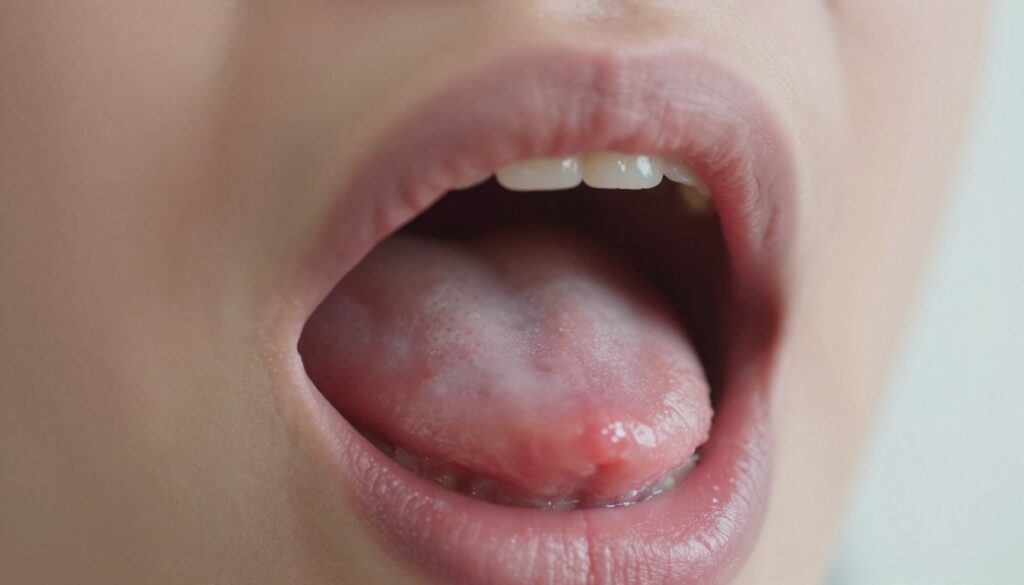
Identifying Oral Candidiasis Symptoms
Oral thrush shows as white patches on your tongue, cheeks, and sometimes the roof of your mouth or throat. These patches can hurt and bleed if you scrape them. You might also feel redness, soreness, and have trouble swallowing. If you notice these signs, see a doctor for a correct diagnosis.
Probiotic Strains That Fight Candida
Some probiotic strains can fight off Candida overgrowth. Lactobacillus acidophilus is one that keeps your mouth’s bacteria in balance. Other good strains are Lactobacillus rhamnosus and Bifidobacterium bifidum. They work by competing with Candida for space and resources, which helps control its growth.
Using Probiotics Alongside Antifungal Medications
Antifungal meds are often used to treat oral thrush. But using probiotics with these meds can make them work better. Probiotics help restore your mouth’s natural balance faster. This can shorten treatment time and lower the chance of it coming back. Always talk to a healthcare provider before starting new supplements, especially if you’re already being treated.
Prevention Strategies for Immunocompromised Individuals
For people with weak immune systems, stopping oral thrush before it starts is key. Keep your mouth clean by brushing and flossing regularly. Use probiotics to support your oral health. Also, stay away from sugary foods and drinks that can lead to Candida growth. Regular visits to your healthcare provider can help catch and manage oral thrush early.
9. Dental Probiotics: Forms and Delivery Methods
Probiotics for oral health come in many forms. This variety helps you pick the best one for your needs.
Lozenges and Chewable Tablets
Lozenges and chewable tablets are great for dental probiotics. They dissolve slowly in your mouth. This lets the probiotics work on your oral health for a long time.
Key benefits:
- Prolonged release of probiotics
- Ease of use
- Can be particularly effective for targeting throat and tonsil health
Probiotic Toothpaste and Mouthwash
Using probiotics in toothpaste or mouthwash is a smart move. It combines good oral hygiene with probiotic benefits.
Advantages:
- Combines oral hygiene with probiotic benefits
- Can be easily integrated into your daily routine
- Helps in maintaining a balanced oral microbiome
Powder Formulations
Powder formulations are flexible. You can mix them with water for a mouthwash or apply them directly to your teeth and gums.
Considerations:
- Flexibility in usage
- Can be used in different concentrations
- May appeal to those who prefer not to swallow tablets or lozenges
Capsules and Sublingual Options
Capsules and sublingual tablets are other ways to get dental probiotics. Sublingual options are absorbed under the tongue, getting into your bloodstream quickly.
Benefits:
- Sublingual options can offer rapid absorption
- Capsules can contain a high CFU count
- Variety in delivery method can suit different user preferences
10. How to Choose the Right Oral Probiotic for Your Needs
To pick the best oral probiotic, you need to know what oral health issues you face. It’s not just about picking any probiotic. You must think about your specific needs and what the probiotic offers.
10.1 Assessing Your Specific Oral Health Concerns
First, figure out what oral health problems you have. Do you want to stop bad breath, prevent gum disease, or treat oral thrush? Each problem needs a different probiotic strain.
Common oral health concerns include:
- Bad breath (halitosis)
- Gum disease (gingivitis or periodontitis)
- Oral thrush (oral candidiasis)
- Mouth ulcers or canker sores
- Plaque and tartar buildup
10.2 Matching Probiotic Strains to Conditions
After knowing your oral health issues, find the right probiotic strains. Some strains work better for certain problems.
| Oral Health Concern | Recommended Probiotic Strain |
|---|---|
| Bad Breath | Streptococcus salivarius K12 |
| Gum Disease | Lactobacillus reuteri |
| Oral Thrush | Lactobacillus acidophilus |
10.3 Reading and Understanding Product Labels
When picking an oral probiotic, read the label carefully. Look for the probiotic strain, the Colony Forming Units (CFU), and any extra ingredients.
Key information to look for on the label includes:
- Probiotic strain(s) and their benefits
- CFU count per serving
- Expiration date or shelf life
- Storage instructions
- Any allergen warnings or additional ingredients
10.4 Evaluating Quality and Manufacturing Standards
Not all probiotics are the same. It’s important to check the product’s quality and how it’s made.
Factors to consider include:
- Third-party testing and certifications (e.g., NSF International, ConsumerLab.com)
- Good Manufacturing Practice (GMP) certification
- Manufacturing facility standards and quality control measures
11. Step-by-Step Guide to Using Oral Probiotics Correctly
To get the most out of your oral probiotics, follow a simple step-by-step guide. This ensures you’re using them effectively. Using oral probiotics correctly is crucial for achieving the desired oral health benefits.
11.1 Step 1: Determine the Optimal Time to Take Probiotics
The timing of oral probiotic intake can significantly impact their effectiveness. It is generally recommended to take oral probiotics at a time when your mouth is relatively clean and free from food particles. Brushing your teeth before taking probiotics can help ensure that the beneficial bacteria have a clear environment to colonize.
Consider taking oral probiotics in the morning after brushing your teeth and before eating breakfast. This allows the probiotics to work throughout the day without immediate interference from food or drinks.
11.2 Step 2: Prepare Your Mouth Properly
Before administering oral probiotics, make sure your mouth is free from food debris and plaque. Flossing and rinsing with water can also be beneficial. Avoid consuming food or drinks for at least 30 minutes after taking probiotics to allow the beneficial bacteria to establish themselves.
11.3 Step 3: Follow Proper Administration Techniques
The method of administering oral probiotics can vary depending on the product format. For lozenges or chewable tablets, dissolve them slowly in your mouth to allow the probiotics to come into contact with your oral tissues. For powders or liquids, follow the manufacturer’s instructions for proper mixing and administration.
| Product Format | Administration Technique |
|---|---|
| Lozenges/Chewable Tablets | Dissolve slowly in mouth |
| Powders | Mix with water as directed |
| Liquids | Swish in mouth before swallowing |
11.4 Step 4: Maintain Consistent Daily Use
Consistency is key when using oral probiotics. Take your probiotics at the same time every day to maintain a consistent level of beneficial bacteria in your mouth. Regular use will help in achieving and maintaining the desired oral health benefits.
By following these steps and maintaining consistent daily use, you can maximize the effectiveness of your oral probiotics and enjoy better oral health.
12. Integrating Oral Probiotics with Your Dental Care Routine

To get the most out of oral probiotics, add them to your daily dental care. This makes them work better and keeps your mouth healthy.
Coordinating with Brushing and Flossing
Think about when you brush and floss when using oral probiotics. It’s best to use them at a different time. This way, the good bacteria in the probiotics can stay in your mouth longer.
Try using them after your evening brushing. This lets them work all night.
Timing Around Mouthwash Use
Be careful with mouthwash and oral probiotics. Mouthwash can kill both good and bad bacteria. Wait at least 30 minutes after using probiotics before mouthwash.
Maintaining Regular Dental Checkups
Oral probiotics are not a replacement for dental visits. Keep going to your dentist for cleanings and check-ups. Tell your dentist about your probiotics to help them understand your mouth better.
Dietary Considerations for Probiotic Effectiveness
Your diet affects how well oral probiotics work. Eating fruits, veggies, and whole grains helps your mouth. Also, cut down on sugary and acidic foods to keep your mouth healthy.
Key dietary considerations include:
- Drink plenty of water to keep saliva flowing, which spreads probiotics
- Eat foods like yogurt or kefir that are good for probiotics
- Don’t eat too much sugar, as it feeds bad bacteria
- Eat crunchy fruits and veggies to make more saliva
By adding oral probiotics to your routine and eating right, you can keep your mouth in top shape.
13. Scientific Evidence Supporting Oral Probiotics
Oral probiotics have been studied a lot. They might help improve our oral health. Research shows that certain probiotic strains can offer many benefits for our mouths.
Clinical Studies on Halitosis Reduction
Bad breath, or halitosis, can really affect our lives. Clinical studies have found that some oral probiotics can help reduce bad breath. For example, Streptococcus salivarius K12 is a strain that might help make our breath smell fresher.
A study in a dental journal found that people who used S. salivarius K12 lozenges had less bad breath. This shows that using specific probiotics can help fight bad breath.
Research on Periodontal Disease Prevention
Periodontal disease can cause tooth loss if not treated. Oral probiotics might help prevent this by keeping our mouths healthy.
Lactobacillus reuteri is a probiotic that could help with gum health. Studies suggest it can reduce gum inflammation and prevent periodontal disease.
| Probiotic Strain | Oral Health Benefit | Study Findings |
|---|---|---|
| S. salivarius K12 | Halitosis Reduction | Significant reduction in VSCs and improved breath freshness |
| Lactobacillus reuteri | Periodontal Disease Prevention | Reduced gingivitis and periodontal inflammation |
| Lactobacillus paracasei | Cavity Prevention | Inhibition of cariogenic bacteria |
Evidence for Cavity Prevention
Oral probiotics might also prevent cavities. They can stop harmful bacteria from causing tooth decay.
Lactobacillus paracasei could help prevent cavities. It can outcompete bad bacteria in our mouths. More research is needed to confirm its benefits.
Studies on Oral Thrush Treatment
Oral thrush is a fungal infection that can affect people with weak immune systems. Probiotics might help treat and prevent it.
Probiotics like Lactobacillus acidophilus can stop Candida growth. This could help manage oral thrush. Using probiotics with antifungal treatments might be a good way to fight this condition.
14. Potential Side Effects and Safety Precautions
Oral probiotics are usually safe, but it’s important to know about possible side effects and precautions. The benefits of oral probiotics need to be weighed against the risks. This is especially true for certain individuals.
Common and Rare Side Effects
Most people do well with oral probiotics, but some might experience side effects. These are usually mild and can include:
- Mild digestive discomfort
- Temporary changes in taste or mouth sensation
- Minor allergic reactions
But, rare and serious side effects can happen, especially in people with weak immune systems or health issues. These can include:
- Infections in immunocompromised individuals
- Probiotic-induced bacteremia or fungemia
Contraindications and Risk Factors
Some people should be careful or avoid oral probiotics. These include:
- People with severely compromised immune systems (e.g., HIV/AIDS, undergoing chemotherapy)
- Individuals with central venous catheters
- Those with a history of probiotic-related infections
It’s essential to consult a healthcare provider before starting oral probiotics, especially if you have any underlying health conditions or concerns.
Populations Who Should Consult Healthcare Providers
While oral probiotics are safe for most, some groups should talk to healthcare providers first:
- Pregnant or breastfeeding women
- Individuals with chronic illnesses
- Those scheduled for surgery
Medication Interactions to Watch For
Oral probiotics can interact with some medications. Knowing these interactions is crucial, such as:
| Medication Category | Potential Interaction |
|---|---|
| Immunosuppressants | Potential reduction in efficacy of immunosuppressive therapy |
| Antibiotics | Possible reduction in probiotic efficacy |
| Antifungal medications | Potential interaction with probiotic strains that are fungal-based |
By knowing the potential side effects and taking precautions, you can safely use oral probiotics. Always talk to a healthcare professional if you have concerns or questions.
15. Where to Purchase Quality Oral Probiotics
To get the most from oral probiotics, you must be careful in your search. Many brands now offer probiotics, making it hard to find the good ones.
It’s important to choose reputable brands and manufacturers. They follow strict quality standards. Here are some things to keep in mind:
Reputable Brands and Manufacturers
Choose brands known for their quality probiotics. Some top brands include:
- Evora: Known for their K12 and M18 strains.
- Probiotics International: Offers a range of oral probiotics with various strains.
- Oragenics: Specializes in oral probiotics with a focus on oral health.
Online Retailers vs. Brick-and-Mortar Stores
You can buy oral probiotics online or in stores. Online, sites like Amazon and Thrive Market have lots of options and good prices. But, stores let you see the product and talk to staff.
When shopping online, make sure to buy from authorized sellers to avoid fakes.
Verifying Authenticity and Avoiding Counterfeits
To check if oral probiotics are real, look for third-party tests and certifications. Look for NSF International or the International Probiotics Association.
Watch out for very low prices or claims that seem too good to be true. These might be signs of fake products.
Understanding Return Policies and Guarantees
Know the return and refund policies before buying. Good brands usually offer guarantees or money-back promises.
Look for these in a return policy:
- Clear refund terms: Know how to return and what to expect.
- Customer support: Choose brands with good customer service.
- Satisfaction guarantee: A guarantee can make you feel more confident in your purchase.
Conclusion
Oral probiotics are becoming an important area of research in dental science.
By helping balance the oral microbiome, probiotics may support:
- fresher breath
- healthier gums
- improved microbial balance
Choosing the right probiotic strains and maintaining a strong dental hygiene routine remain essential.
Adding oral probiotics to your daily routine can really boost your oral health. They help fight bad breath and gum disease symptoms. By knowing how probiotics keep your mouth balanced, you can keep your mouth healthy.
Probiotics like Streptococcus salivarius K12 and Lactobacillus reuteri offer special benefits. They can cut down on bad breath and prevent gum disease. When picking an oral probiotic, look at CFU count, strain, and how it’s delivered to find the right one for you.
Using oral probiotics with your dental care can make your mouth healthier. They can make your breath fresher, your gums healthier, and lower the chance of infections.
More research shows how important oral probiotics are for good oral health. By choosing the right oral probiotics, you can improve your oral health. This leads to a healthier, more confident smile.
15. Where to Purchase Quality Oral Probiotics
1.1 What Are Oral Probiotics
1.2 The Difference Between Oral and Gut Probiotics
1.3 Why Your Mouth Needs Good Bacteria
2.1 The Oral Microbiome Explained
2.2 Competitive Inhibition of Harmful Bacteria
2.3 Reducing Inflammation in Gum Tissue
2.4 Balancing pH Levels in Your Mouth
3.1 Streptococcus salivarius K12
3.2 Streptococcus salivarius M18
3.3 Lactobacillus reuteri
3.4 Lactobacillus paracasei
4.1 Colony Forming Units (CFU) Count
4.2 Strain Specificity and Diversity
4.3 Delivery Format and Bioavailability
4.4 Third-Party Testing and Certifications
5.1 How Probiotics Combat Halitosis
5.2 K12 Probiotic Bad Breath Solutions
5.3 Targeting Volatile Sulfur Compounds
5.4 Long-Term Breath Freshness Strategies
6.1 Preventing and Treating Gingivitis
6.2 Supporting Periodontal Disease Management
6.3 Reducing Plaque and Tartar Accumulation
6.4 Strengthening Enamel and Preventing Cavities
7.1 Understanding Recurrent Aphthous Stomatitis
7.2 How Probiotics Accelerate Healing
7.3 Preventing Future Ulcer Outbreaks
7.4 Recommended Strains for Ulcer Treatment
8.1 Identifying Oral Candidiasis Symptoms
8.2 Probiotic Strains That Fight Candida
8.3 Using Probiotics Alongside Antifungal Medications
8.4 Prevention Strategies for Immunocompromised Individuals
9.1 Lozenges and Chewable Tablets
9.2 Probiotic Toothpaste and Mouthwash
9.3 Powder Formulations
9.4 Capsules and Sublingual Options
10.1 Assessing Your Specific Oral Health Concerns
10.2 Matching Probiotic Strains to Conditions
10.3 Reading and Understanding Product Labels
10.4 Evaluating Quality and Manufacturing Standards
11.1 Step 1: Determine the Optimal Time to Take Probiotics
11.2 Step 2: Prepare Your Mouth Properly
11.3 Step 3: Follow Proper Administration Techniques
11.4 Step 4: Maintain Consistent Daily Use
12.1 Coordinating with Brushing and Flossing
12.2 Timing Around Mouthwash Use
12.3 Maintaining Regular Dental Checkups
12.4 Dietary Considerations for Probiotic Effectiveness
13.1 Clinical Studies on Halitosis Reduction
13.2 Research on Periodontal Disease Prevention
13.3 Evidence for Cavity Prevention
13.4 Studies on Oral Thrush Treatment
14.1 Common and Rare Side Effects
14.2 Contraindications and Risk Factors
14.3 Populations Who Should Consult Healthcare Providers
14.4 Medication Interactions to Watch For
15.1 Reputable Brands and Manufacturers
15.2 Online Retailers vs. Brick-and-Mortar Stores
15.3 Verifying Authenticity and Avoiding Counterfeits
15.4 Understanding Return Policies and Guarantees
Sources and Scientific References
com links para:
- PubMed
- NIH
- ADA
- Mayo Clinic

Adele Smith is a health and wellness researcher specializing in natural solutions for vision care, nutrition, and healthy aging.
For several years, she has studied the relationship between lifestyle, dietary supplements, and long-term eye health. Her work focuses on helping readers understand natural approaches that may support vision and promote overall wellness.
Through her articles, Adele shares research-based insights and educational health information designed to help readers make informed decisions about their well-being.