

Gut Health and Oral Health Connection: How Your Microbiome Impacts Teeth and Gums
Posted on 03/23/2026 by Adele Smith
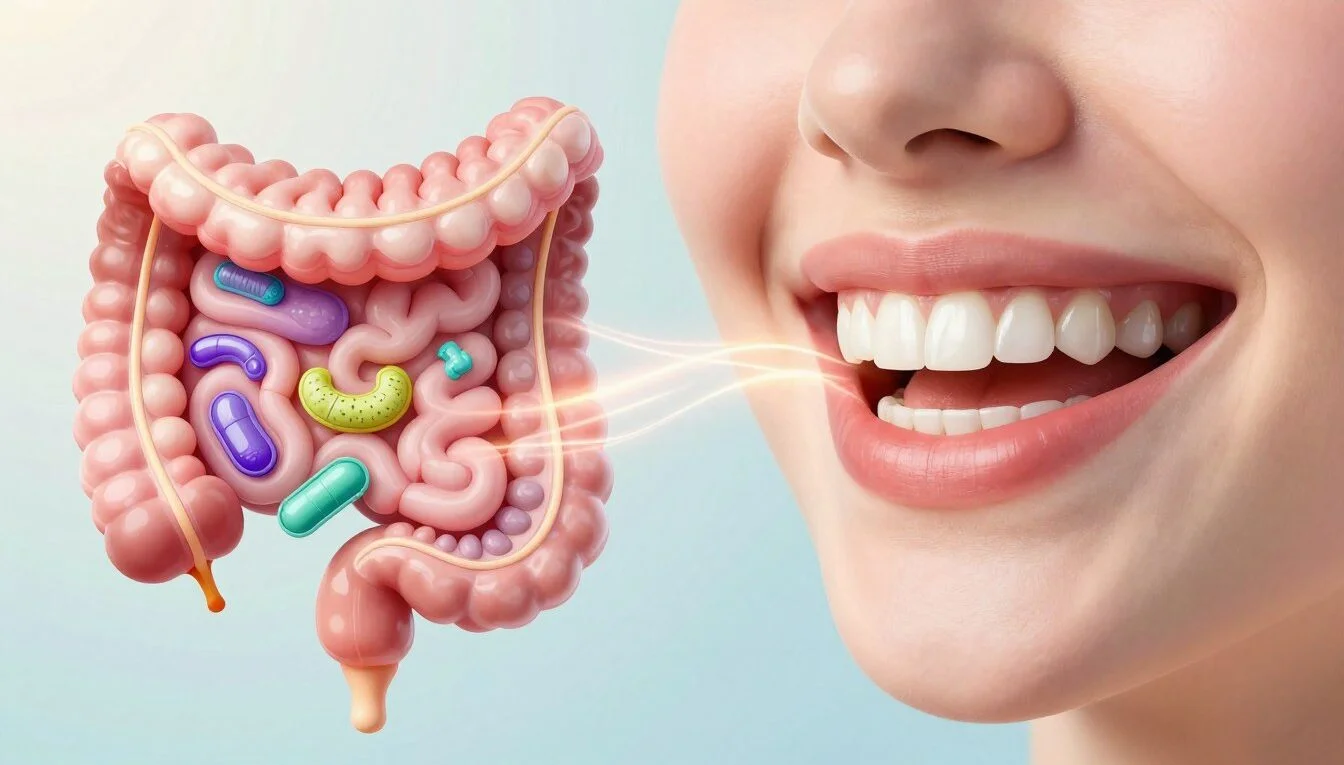
The connection between gut health and oral health plays a crucial role in how your microbiome affects your teeth and gums.
Have you ever thought that your smile might reflect what’s happening inside your body? Many people think of the mouth and gut as separate systems, but they are closely connected. Understanding how gut health and oral health relate to one another is key to staying healthy overall.
Your body functions like one large, interconnected ecosystem. When one part is out of balance, it can affect the others. This is why improving your gut health can also benefit your teeth and gums.
This article explains how certain bacteria can harm your teeth and contribute to inflammation, and how these microbial interactions directly influence your teeth and gums. We’ll also cover practical ways to support a healthy gut, helping you maintain a bright smile and a strong body.
How the Gut Health and Oral Health Connection Affects Teeth
The link between gut health and oral health is central to overall wellness, though many people aren’t aware of how closely these two areas are connected. Research suggests that your mouth and gut can influence each other in complex ways.
To understand this connection, it helps to look at the biological links between the mouth and the gut. The mouth is more than an entry point for food — it’s a complex ecosystem tied to the digestive system.
The Biological Axis Linking the Mouth and the Gut
The mouth and gut are connected through the digestive tract. The oral microbiome, made up of many different bacteria, plays an important role in breaking down food and supporting immune function. An imbalance in the oral microbiome may disrupt the gut microbiome, potentially contributing to health issues.
This connection goes beyond anatomy. Bacteria from your mouth can travel to your gut, where they may help or harm gut health depending on their type and the overall balance of your microbiome.
Why Systemic Health Begins in the Digestive Tract
Systemic health is closely tied to the health of the digestive tract. The gut is sometimes referred to as the “second brain” because of its wide-reaching influence on the body. A healthy gut microbiome supports nutrient absorption, vitamin production, and immune function.
Poor gut health has been associated with a range of issues, from digestive discomfort to increased risk factors linked to conditions like heart disease and diabetes. Supporting both gut and oral health is an important part of overall well-being.
The Role of the Oral Microbiome in Systemic Wellness
Your oral microbiome is closely tied to your overall health and affects many parts of the body. The mouth is a key entry point into your body, so its condition matters for your general well-being.
Defining the Oral Ecosystem
The oral ecosystem, or oral microbiome, is a complex mix of microorganisms living in your mouth, including bacteria, viruses, fungi, and protozoa, all coexisting in a delicate balance.
A healthy oral microbiome supports both oral and overall health. Diet, oral hygiene habits, and general health all influence this balance.
How Oral Bacteria Travel to the Digestive System
Oral bacteria can reach your digestive system when you swallow saliva along with food. These bacteria then travel to your gut, where they can influence your gut microbiome.
| Step | Description |
|---|---|
| 1 | Oral bacteria multiply in the mouth. |
| 2 | Bacteria are swallowed with saliva. |
| 3 | Bacteria enter the gastrointestinal tract. |
| 4 | Bacteria influence the gut microbiome. |
Maintaining a healthy balance of oral bacteria may help support digestive and overall health.
Identifying Signs of Gut Microbiome Imbalances
An imbalance in your gut microbiome can show up in several ways, potentially affecting both digestion and oral health. Keeping gut bacteria in balance plays a role in overall health.
The gut microbiome helps digest food, absorb nutrients, and keep harmful bacteria in check. When this balance is disrupted, certain symptoms may appear.
Common Digestive Symptoms to Watch For
Digestive symptoms that may signal a gut microbiome imbalance include:
- Frequent bloating and gas
- Abdominal pain or cramping
- Diarrhea or constipation
- Changes in appetite
These symptoms can be uncomfortable and disruptive. If you experience ongoing or severe digestive issues, consult a healthcare provider.
Recognizing Oral Signs of Internal Imbalance
Oral health is connected to gut health, and imbalances in the gut may be associated with oral issues such as:
| Oral Sign | Possible Contributing Factor |
|---|---|
| Gingivitis and gum recession | Increased inflammation linked to gut imbalance |
| Bad breath (halitosis) | Presence of certain bacteria |
| Mouth ulcers or canker sores | Imbalanced gut flora affecting immune response |
Recognizing these signs may help you notice gut microbiome imbalances early, so you can take action sooner.
How Dental Health Affects Overall Health
Dental health can meaningfully affect overall health, including heart health and how the body processes food. Research points to a connection between oral health and various health conditions, making good dental care an important part of overall wellness.
Chronic periodontitis is a common gum disease that can lead to tooth loss. Beyond the teeth themselves, it can also contribute to inflammation elsewhere in the body.
The Impact of Chronic Periodontitis on Systemic Inflammation
Chronic periodontitis is associated with increased inflammation in the body. Inflammation linked to gum disease may spread through the bloodstream, potentially affecting other organs, including the heart and pancreas.
Linking Oral Bacteria to Cardiovascular and Metabolic Risk Factors
Certain bacteria associated with gum disease have been linked to increased cardiovascular risk factors, and some research suggests a possible connection to metabolic conditions such as diabetes. Understanding these associations underscores the importance of good oral hygiene and regular dental care as part of a broader health strategy.
The Link Between Gum Inflammation and Digestive Issues
Gum inflammation may affect more than the mouth alone — it can also be connected to the digestive system, since the two areas share certain inflammatory pathways.
Inflammatory Pathways Shared by the Mouth and Gut
The mouth and gut share some common inflammatory pathways. Gum inflammation can release pro-inflammatory compounds into the bloodstream, which may, in turn, affect the gut and potentially worsen digestive symptoms.
Markers such as C-reactive protein (CRP) and interleukin-6 (IL-6) have been studied in connection with both gum inflammation and digestive disorders.
The Role of Intestinal Permeability in Oral Tissue Sensitivity
Increased intestinal permeability, sometimes called “leaky gut,” may make oral tissues more sensitive. When the gut lining isn’t functioning optimally, substances can enter the bloodstream in ways that may contribute to inflammation, including in the mouth.
This may increase sensitivity in oral tissues and potentially worsen gum inflammation. Supporting a healthy gut lining is one part of supporting oral health.
| Condition | Effect on Oral Health | Effect on Gut Health |
|---|---|---|
| Gum Inflammation | Increased risk of periodontitis | Potential systemic inflammation affecting the gut |
| Increased Intestinal Permeability | Increased oral tissue sensitivity | Reduced nutrient absorption, increased inflammation |
| Poor Oral Hygiene | Gingivitis, plaque buildup | Increased risk of digestive issues from swallowed bacteria |
Understanding how oral and gut health are connected can help you take a more informed approach to managing both.
Step One: Assessing Your Current Oral and Digestive Status
Understanding your current oral and digestive health is a helpful starting point for improving overall wellness.
Begin by keeping a symptom journal and consulting dental and medical professionals. These steps can help you better understand your health and identify areas for improvement.
Keeping a Symptom Journal
A symptom journal can help you track oral and digestive issues over time. Note any bloating, pain, or changes in bowel habits, as well as oral concerns like bleeding gums or sensitivity.
This journal can help you spot patterns and triggers, which is useful information to share with healthcare professionals.
Consulting with Dental and Medical Professionals
Speaking with both a dentist and a doctor is valuable. A dentist can assess your oral health, while a doctor can evaluate your broader health and help address digestive concerns.
Sharing your symptom journal with these professionals can help them better understand your situation and offer more tailored guidance.
Step Two: Supporting Gut Health Naturally Through Diet
Dietary changes are one of the most accessible ways to support gut health, since diet plays a significant role in shaping the gut microbiome.
Incorporating Fiber-Rich Whole Foods
Fiber-rich foods help feed beneficial gut bacteria. Fruits, vegetables, whole grains, and legumes are all good sources of fiber that may support a diverse gut microbiome.
Some high-fiber foods include:
- Apples
- Berries
- Broccoli
- Carrots
- Whole wheat bread
- Oats
- Barley
The Importance of Fermented Foods for Microbial Diversity
Fermented foods containing live beneficial cultures — such as yogurt, kefir, sauerkraut, kimchi, and miso — may support microbial diversity in the gut. Including a variety of these foods regularly may help support a resilient gut microbiome.
Step Three: Supporting Beneficial Bacteria in the Mouth Naturally
Supporting beneficial bacteria in the mouth is an important part of oral health and may help reduce the risk of gum disease and tooth decay.
Choosing Oral Hygiene Products Thoughtfully
The oral care products you choose can make a difference. Consider looking for toothpaste and mouthwash that contain ingredients like xylitol, which may help limit the growth of harmful bacteria in the mouth.
A few things to consider when choosing oral hygiene products:
- Probiotic ingredients: Some toothpastes and mouthwashes contain probiotics intended to support beneficial oral bacteria.
- Natural antibacterial ingredients: Ingredients such as tea tree oil have natural antibacterial properties that may help limit harmful bacteria.
- Avoiding harsh ingredients: Some people prefer to avoid ingredients like sodium lauryl sulfate, which some research suggests may affect the oral microbiome.
The Impact of pH Balance on Oral Flora
The pH level in your mouth can influence your oral microbiome. A more acidic environment tends to favor harmful bacteria, while a more balanced pH may support beneficial bacteria.
To help support a healthy oral pH:
- Limit highly acidic foods and drinks, which can shift your mouth toward a more acidic environment that favors harmful bacteria.
- Consider pH-balanced oral care products, some of which are formulated to help support a healthy oral pH.
- Stimulate saliva production, since saliva helps neutralize acids and supports remineralization. Chewing sugar-free gum or eating crunchy fruits and vegetables can help stimulate saliva flow.
Choosing suitable oral hygiene products and supporting a healthy pH balance can help create an environment in the mouth that supports beneficial bacteria and overall oral health.
Step Four: Daily Habits for a Balanced Microbiome
Building daily habits that support both oral and gut health can make a meaningful difference over time. Hydration, eating habits, and lifestyle choices all play a role.
Hydration Strategies for Oral and Gut Health
Adequate hydration supports a healthy balance in both your oral and gut microbiomes. Water helps keep the mouth moist, supports the clearing of bacteria, and aids digestion.
- Aim for consistent water intake throughout the day.
- Limit sugary drinks, which may disrupt the oral microbiome balance.
- Consider hydrating foods like watermelon and cucumber as part of a balanced diet.
Benefits of Proper Hydration
| Benefit | Oral Health | Gut Health |
|---|---|---|
| Helps clear bacteria | May reduce risk of oral infections | Supports digestive health |
| Maintains moisture | Helps keep the mouth moist, reducing dry mouth | May help prevent constipation |
| Supports digestion | Facilitates swallowing and digestion | Aids nutrient absorption |
The Importance of Mindful Chewing and Digestion
Eating mindfully and chewing thoroughly supports both oral health and digestion, and may help lower the risk of related issues.
Mindful chewing techniques:
- Take smaller bites and chew slowly.
- Minimize distractions like screens while eating.
- Take time to notice the flavors and textures of your food.

Building these habits into your daily routine can support meaningful progress toward a balanced microbiome and better overall health.
Step Five: Managing Stress to Support Your Oral and Gut Axis
Stress can have a notable impact on the oral-gut axis. Chronic stress may disrupt the balance of both microbiomes and contribute to gum inflammation.
How Cortisol May Affect the Oral Environment
Stress triggers the release of cortisol, which in higher levels has been associated with gum inflammation and increased susceptibility to gum disease.
This inflammation may also affect gut health, contributing to a cycle that can be difficult to break. Elevated cortisol levels have been associated with:
- Increased inflammation in the body
- A weakened immune response
- Disruption of oral and gut microbiome balance
Techniques for Reducing Stress-Related Inflammation
Several approaches may help manage stress and support lower inflammation levels, including:
- Meditation and mindfulness practices
- Yoga and other forms of exercise
- Deep breathing exercises
| Stress Management Technique | Potential Benefits for Oral and Gut Health |
|---|---|
| Meditation and Mindfulness | May help reduce cortisol levels and inflammation |
| Yoga and Exercise | May support immune function and reduce stress |
| Deep Breathing Exercises | May help lower cortisol and support overall well-being |
Managing stress effectively is one component of supporting a healthy oral-gut axis.
Step Six: Considering Supplements for Systemic Balance
As part of a broader approach to gut health, some people consider supplements to help fill nutritional gaps that support gut and oral health.
Probiotics and Prebiotics for Gut Support
Probiotics are live microorganisms that may offer health benefits by supporting the gut’s natural balance, which plays a role in digestion and immune function. Prebiotics serve as food for probiotics, helping them thrive.
When considering a probiotic, it may help to look at the specific genus, species, and strain, along with the CFU count, and to discuss options with a healthcare provider, since research on probiotic strains and their effects continues to evolve.
Nutrients That May Support Gum Health
Certain nutrients are associated with gum health. Vitamin C plays a role in collagen production and tissue repair. Omega-3 fatty acids have been studied for their potential to help reduce gum inflammation.
Coenzyme Q10 (CoQ10) has also been studied in relation to gum health. You can find more information on CoQ10 through resources like the National Institutes of Health’s Office of Dietary Supplements.
Adding supplements thoughtfully, and in consultation with a healthcare provider, may support gut and oral health as part of overall systemic balance.
Step Seven: Monitoring Progress and Professional Consultation
As you work on supporting your oral and gut health, monitoring your progress can help you see what’s working and where you might want to adjust your approach.
Regular monitoring supports informed decisions and helps you understand more about the connection between your oral and gut health over time.
Tracking Improvements in Oral Tissue Health
Improvements in oral tissue health can be a meaningful sign of progress. Look for changes such as reduced inflammation, healthier-looking gums, and fewer oral infections. A symptom journal or regular dental visits can help you track these changes.

When to Seek Advanced Medical Testing
If you notice ongoing or severe symptoms — such as persistent bad breath, bleeding gums, or digestive issues — it may be time to seek further medical evaluation. A healthcare provider can recommend appropriate testing to help identify any underlying issues.
Staying attentive and working with your healthcare team can help support progress toward a balanced oral and gut microbiome, and better overall health.
Common Mistakes to Avoid When Supporting Your Microbiome
Supporting a balanced microbiome takes some thoughtful effort. When working to improve oral health and reduce gum inflammation, a few common mistakes are worth avoiding — particularly overusing antiseptic mouthwash and overlooking the impact of processed sugars.
Overusing Antiseptic Mouthwashes
Antiseptic mouthwashes can be helpful in moderation, as they may help reduce harmful bacteria. However, frequent overuse may disrupt the balance of the oral microbiome, potentially contributing to gum inflammation and other oral health concerns.
Potential consequences of overuse include:
- Disruption of the oral microbiome balance
- Increased risk of gum inflammation
- Possible risk of oral thrush or other fungal issues
To help avoid these issues, consider using antiseptic mouthwashes in moderation and explore other oral care products that support a healthy oral microbiome.
Overlooking the Role of Processed Sugars
Diet plays a significant role in microbiome health. A diet high in processed sugar may feed harmful bacteria and contribute to inflammation.
| Dietary Factor | Effect on Oral Microbiome | Effect on Gum Health |
|---|---|---|
| High Processed Sugar Intake | May promote growth of harmful bacteria | May increase risk of gum inflammation |
| Lower Processed Sugar Intake | May support balance of beneficial bacteria | May reduce risk of gum disease |
Being mindful of sugar intake and making informed food choices can support both oral microbiome health and overall well-being.
Conclusion
The relationship between gut health and oral health is complex and works in both directions. Supporting both is an important part of overall wellness. Understanding how your gut and mouth interact can help you take a more informed approach to preventing certain health issues.
Simple steps — such as adjusting your diet and managing stress — can support this balance over time and may help lower certain health risks.
Getting started is straightforward: focus on eating well, caring for your teeth, and managing stress. These habits can contribute meaningfully to your overall quality of life.
FAQ
How does my gut health influence my oral health?
Your digestive system and mouth are connected, and supporting gut health may help support gum health as well. An imbalanced gut has been associated with oral issues like sensitivity and infection risk.
What are some effective ways to support gut health naturally?
Eating foods rich in prebiotics and fermented foods — such as kefir, kimchi, and vegetables — may help support beneficial gut bacteria. Adequate sleep and hydration are also commonly recommended.
How can I support beneficial bacteria in my mouth naturally?
Supporting a balanced oral pH, limiting acidic drinks and added sugars, considering oral probiotics, and chewing mindfully may all help support a healthy oral microbiome.
Why does dental health matter for overall physical well-being?
The mouth is a key entry point into the body, and oral health has been linked to broader systemic health. Good oral hygiene is an important part of preventive care.
Is there a connection between gum inflammation and digestive health?
Some research suggests gum inflammation and digestive issues may share inflammatory pathways, though more research is needed to fully understand this relationship.
What is the oral microbiome, and why does it matter?
The oral microbiome is the community of bacteria, fungi, and viruses living in your mouth. It plays a role in digestion and helps protect against infection. A balanced oral microbiome supports oral health.
What are common mistakes to avoid when trying to support a balanced microbiome?
Overusing strong mouthwashes and overlooking the effects of processed sugars and chronic stress on the microbiome are common pitfalls worth avoiding.
Medical Disclaimer: This content is for informational purposes only and is not a substitute for professional dental or medical advice. Please consult a qualified healthcare provider regarding any health concerns.
📚 Recommended for You (18)

Adele Smith is a researcher in the field of health and wellness, focusing on natural solutions for body care, nutrition, and healthy aging.
Over the years, she has studied the relationship between lifestyle habits, diet, nutritional supplementation, and long-term well-being. Her work aims to help readers understand natural information and approaches that can contribute to a better quality of life, promoting more conscious choices for health and overall well-being.