


How to Balance Oral Bacteria Naturally: 7 Easy Tips.
Posted on 07/06/2026 by Adele Smith
Your mouth is one of the main entry points into your body, and learning how to balance oral bacteria naturally is about far more than a bright smile — it’s a core part of your overall health. According to integrative dentist and author Dr. Gerry Curatola
Bringing your oral bacteria back into balance can support your immune system and help prevent a range of health problems. The good news: small, consistent daily habits can make a measurable difference.
This guide walks you through seven practical, natural steps to manage your oral microbiome and keep your smile healthy for the long term.
This page contains affiliate links. If you purchase through them, we may earn a commission at no additional cost to you.
Getting to know your mouth’s ecosystem is the first step to better health. By adopting the right habits, you lay the groundwork for a healthier life. This guide offers practical tips to manage your microbiome and keep your smile bright every day.

🦷 Curious what real consumers are saying about oral probiotic supplements?
Before we dive into the science of your mouth’s microbiome, check out verified reviews, BBB ratings, and Reddit discussions we rounded up in one place. 📊
👉 See What Consumers Are SayingUnderstanding the Mouth Microbiome
Your mouth is more than just a way to eat. It’s a living world filled with billions of tiny creatures. This world is called the mouth microbiome. It’s as diverse as the gut, but smaller.
Understanding this hidden world is the foundation for anyone who wants to balance oral bacteria naturally and keep their smile healthy long-term.
This bacterial layer, known as dental biofilm, forms constantly on your teeth and gum line. When biofilm isn’t disrupted through brushing and flossing, it hardens into tartar and creates conditions for oral dysbiosis — the bacterial imbalance behind most gum and enamel problems.
Imagine your mouth as a busy city. Billions of oral bacteria live here, working together to keep you healthy. They help protect your teeth and gums from harm.
In researching natural approaches to oral care, we reviewed clinical guidance from the American Dental Association and the National Institute of Dental and Craniofacial Research, alongside peer-reviewed studies on oral probiotics. The recommendations below reflect habits with documented support in dental literature, not anecdotal trends.
The Ecosystem of Your Mouth
Your mouth changes a lot during the day. Things like temperature and nutrients affect the mouth bacteria living there. A healthy balance is key to keeping bad bacteria away.
When your mouth is in balance, it’s a good place for bacteria to live. They help break down food and make your teeth stronger. Knowing how your mouth works helps you keep it healthy.
Distinguishing Between Good and Bad Bacteria
Not all bacteria are the same. Some are good for you, while others can harm you. Good oral bacteria keep your mouth clean and fresh. Bad bacteria love sugar and can cause cavities or gum problems.
Here’s a table that shows the difference between good and bad bacteria:
| Feature | Beneficial Bacteria | Pathogenic Bacteria |
|---|---|---|
| Primary Role | Protective support | Tissue damage |
| Food Source | Complex fibers | Refined sugars |
| Health Impact | Promotes stability | Causes dysbiosis |
| Oral Outcome | Stronger enamel | Increased decay |
Why Learning How to Balance Oral Bacteria Naturally Matters
Managing your mouth bacteria is important every day. By creating a healthy environment, you fight off dental problems. Taking care of your mouth microbiome is key to a healthy smile.
Learning how to balance oral bacteria naturally is key to protecting your body. Your mouth is a gateway to your health. Keeping it healthy reflects your overall well-being.
The Connection Between Oral Health and Systemic Wellness
Your mouth and body are connected. When your mouth’s bacteria get out of balance, it can harm your body. This can affect your heart, digestion, and immune system.
Studies show that mouth inflammation can lead to many health issues. By taking care of your teeth, you’re not just smiling. You’re investing in your long-term health. A healthy mouth means a healthy body.
Preventing Common Dental Issues Through Microbial Balance
A balanced microbiome fights off bad bacteria. Knowing how to balance oral bacteria naturally helps good microbes grow. This lowers the chance of dental problems like cavities and gum disease.
Consistency is key in managing your mouth’s bacteria. Preventing imbalance stops plaque and acid buildup. This keeps your teeth and gums strong for years.
Step One: Optimize Your Daily Brushing and Flossing Routine
Your journey to a balanced oral microbiome starts with daily cleaning. Removing plaque is the most reliable way to stop harmful bacteria. A clean mouth supports the natural balance of your ecosystem.
Quick Tip: Rinse with plain water immediately after acidic foods or drinks — waiting even one minute helps protect softened enamel before you brush.
Techniques for Effective Plaque Removal
Brush your teeth at least twice a day, after meals. This stops food from feeding unwanted bacteria. Brush at a 45-degree angle to reach plaque areas.
Gentle, circular motions work best. Avoid harsh brushing to protect your enamel and gums. Floss daily to clean between teeth that brushes can’t.
Choosing the Right Toothbrush and Toothpaste
The right tools are key to dental success. Choose a soft-bristled toothbrush for gentle cleaning. Replace it every three months or sooner if frayed.
For toothpaste, pick non-abrasive formulas that protect your enamel. Avoid harsh chemicals that can upset your oral balance. Gentle ingredients keep your routine positive for your dental health.
Step Two: Incorporate Mouth Probiotics into Your Regimen
Adding specific good bacteria to your mouth can change your oral health. Brushing gets rid of dirt, but mouth probiotics help balance your dental microbiome. This step goes beyond just cleaning to make your mouth healthier.
Quick Tip: Store-bought mouthwash isn’t required daily — alternating with a saltwater rinse can reduce irritation while still supporting hygiene.
How Probiotics Support the Dental Microbiome
These supplements work by filling your mouth with good bacteria. They compete with bad bacteria for space and food. This helps keep harmful bacteria from taking over your teeth and gums.
Also, many probiotics make bacteriocin-like inhibitory substances. “These substances may help limit the growth of bacteria associated with cavities and gum problems, according to early research.” (remove tom de certeza absoluta, adiciona qualificador “may/early research”.)
Using mouth probiotics daily adds a protective layer to your mouth.
Selecting High-Quality Oral Probiotic Supplements
Not all supplements are the same, and picking the right one is key. Look for products made for the mouth’s special conditions. Good quality means the bacteria stay alive until they get to your mouth.
When looking at different brands, remember these important points:
- Strain Diversity: Choose products with strains like Lactobacillus or Streptococcus salivarius that have been studied.
- Colony Forming Units (CFUs): Make sure the product has enough CFUs to affect your dental microbiome.
- Delivery Method: Opt for lozenges or chewable tablets to cover your teeth and gums well.
- Purity: Stay away from supplements with sugars or artificial sweeteners that can feed bad bacteria.
When evaluating oral probiotic products, checking for third-party testing certificates and CFU counts on the label — rather than relying on marketing claims alone — is one of the simplest ways to separate effective products from those with little clinical backing.

Step Three: Adjust Your Diet to Support Healthy Oral Flora
Your daily food choices play a major role in helping you balance oral bacteria naturally, since what you eat directly feeds either beneficial or harmful microbes.
Your daily food choices are key to a healthy mouth. Eating nutrient-rich foods helps good bacteria for teeth grow. This keeps harmful germs from taking over.
Quick Tip: A dry mouth in the morning is normal, but if it persists all day, low saliva flow may be affecting your oral bacterial balance.
Foods That Encourage Beneficial Bacteria
Eating whole, plant-based foods is best for your mouth’s microbes. These foods give nourishment to your mouth flora. Eating a variety of foods ensures you get lots of vitamins and minerals.
Here are some foods to add to your diet for better dental health:
- Leafy greens like spinach and kale, which are packed with essential vitamins.
- Crunchy vegetables such as carrots and celery that naturally stimulate saliva production.
- Legumes and lentils, which offer high-quality fiber to sustain your oral microbiome.
- Fresh fruits like apples, which act as a natural cleanser for your teeth.
The Impact of Fermented Foods on Mouth Flora
Fermented foods introduce live cultures into your body. They help keep your mouth flora bacteria in balance. Regularly eating these foods strengthens your oral flora against tooth decay.
| Food Item | Primary Benefit | Microbial Impact |
|---|---|---|
| Sauerkraut | High in probiotics | Promotes diversity |
| Kefir | Calcium-rich | Supports enamel health |
| Kimchi | Antioxidant boost | Reduces inflammation |
Adding fermented foods to your diet helps good bacteria for teeth. Being consistent is important. Over time, your mouth will become a healthier place.
Step Four: Stay Hydrated to Maintain Saliva Production
Your mouth needs moisture to work well every day. Drinking enough water is key to a healthy mouth. It helps keep your teeth and gums strong.
Key Takeaways:
- A balanced mouth microbiome depends on daily habits, not occasional deep cleans.
- Sugar and acid exposure are the two biggest drivers of harmful bacterial growth.
- Hydration and saliva production are your body’s built-in defense system.
The Protective Role of Saliva in the Oral Cavity
Saliva is more than just water; it’s a dynamic defense system for your mouth. It helps neutralize acids from bacteria after eating. It also washes away food and prevents plaque buildup.
Without enough saliva, your mouth can become a place where harmful bacteria grow. Staying hydrated keeps your protective enzymes working well. This is crucial for your dental health.
Tips for Increasing Daily Water Intake
Drinking more water can be easy. You can make small changes to your daily routine. Here are some tips to help you drink more:
- Keep a reusable water bottle with you always.
- Use your phone to remind you to drink water every hour.
- Add cucumber or lemon to your water for flavor.
- Drink a full glass of water as soon as you wake up.
| Feature | Hydrated Mouth | Dehydrated Mouth |
|---|---|---|
| Acid Neutralization | High and consistent | Low and ineffective |
| Debris Removal | Efficient rinsing | Stagnant buildup |
| Bacterial Growth | Controlled environment | Increased risk of dysbiosis |
| Gum Health | Moist and resilient | Dry and irritated |
Step Five: Limit Sugar and Acidic Foods
What you eat affects the balance of your mouth bacteria. Eating too much sugar and acidic foods helps harmful microbes grow. Small diet changes can greatly improve your dental health.
Did You Know? Your mouth hosts over 700 different species of bacteria — more diversity than almost any other part of your body except your gut.
How Sugar Feeds Harmful Aerobic Bacteria in Oral Cavity
High sugar intake feeds acid-loving bacteria like Streptococcus Mutans. These aerobic bacteria in oral cavity need carbs to grow. They make your mouth acidic as they eat sugars.
This acidity harms the good bacteria that protect your teeth. Over time, harmful bacteria grow faster. It’s key to control sugar to keep your mouth healthy.
Strategies for Reducing Acid Erosion
Acid erosion happens when your tooth enamel dissolves from acidic foods and drinks. Try not to snack too much. This lets your saliva neutralize acid and protect your teeth.
Here are ways to keep your enamel safe:
- Rinse with water after eating acidic or sugary foods to restore pH balance.
- Wait thirty minutes before brushing your teeth after eating to avoid damaging softened enamel.
- Choose snacks low in sugar, like raw veggies or nuts, to support healthy mouth bacteria.
Being mindful of your eating schedule helps your mouth recover. Consistency is key for a healthy mouth environment.
Step Six: Use Natural Mouthwashes Without Harsh Chemicals
Choosing gentle, natural products is one of the easiest ways to balance oral bacteria naturally without stripping your mouth of the microbes that protect it.
Your daily oral hygiene routine might include a rinse that disrupts your natural microbial balance. Many store-bought products promise a clean feeling but contain harsh ingredients. These ingredients kill both good and bad bacteria, leaving your mouth vulnerable to imbalances.
Choosing gentler, natural alternatives can protect your mouth’s delicate ecosystem. Supporting your oral microbiome means picking products that soothe your gums and freshen your breath without irritation or dryness.
Did You Know? Some oral probiotic strains, like Streptococcus salivarius, are naturally found in healthy mouths and are simply reintroduced through supplements.
Avoiding Alcohol-Based Rinses
Most conventional mouthwashes use alcohol to kill bacteria. But alcohol dries out your oral tissues. A dry mouth can’t produce enough saliva, your body’s defense against decay.
Using alcohol-based rinses can dry out your mouth, making it harder for good bacteria to thrive. Opting for alcohol-free formulas helps keep your mouth’s natural pH balance, ensuring it stays resilient and hydrated.
DIY Natural Mouthwash Recipes
Making your own mouthwash at home ensures you use only non-toxic ingredients. These recipes are soothing and effective for daily use. You can customize them to your liking, keeping your mouth fresh.
- The Saltwater Soothe: Mix one-half teaspoon of sea salt into a cup of warm, filtered water. Salt acts as a natural disinfectant that helps reduce inflammation in the gums without disrupting your microbial community.
- The Herbal Refresh: Combine one cup of distilled water with two drops of peppermint essential oil and one drop of tea tree oil. Peppermint provides a cooling sensation, while tea tree oil offers mild, natural antimicrobial properties.
- The Aloe Vera Rinse: Blend two tablespoons of pure aloe vera juice with a cup of water. Aloe vera is exceptionally soothing for sensitive gums and helps maintain moisture throughout the day.
Always store your homemade rinses in a clean, glass container and shake well before each use. Since these recipes lack synthetic preservatives, make small batches to use within a few days. This proactive approach to oral care ensures a healthy, thriving microbial community.
Step Seven: Manage Stress and Lifestyle Factors
Managing stress and sleep quality is key to keeping your mouth healthy. Many focus on brushing teeth, but your body’s health is crucial too. A holistic approach helps keep your mouth strong against bad bacteria.
Expert Insight: Dental researchers increasingly view the mouth as an ecosystem to manage rather than a surface to sterilize — the goal is balance, not elimination of all bacteria.
The Link Between Cortisol and Oral Health
Chronic stress raises your cortisol levels. This hormone weakens your immune system, making it tough to fight off infections. High cortisol also causes inflammation, perfect for bad bacteria to grow.
Smoking makes it harder for your gums to heal. Studies show nicotine can lower your body’s ability to fight off bacteria. By managing stress and avoiding tobacco, you help your gums stay healthy.
Improving Sleep for Better Immune Function
Good sleep is key for your immune system to repair itself. Deep sleep helps balance the bacteria in your body, including your mouth. Losing sleep makes it hard for your body to keep this balance.
Systemic conditions like diabetes also affect your mouth. High blood sugar feeds bad bacteria, increasing gum disease risk. Keeping a stable lifestyle through rest and blood sugar control is vital for dental health.
| Lifestyle Factor | Impact on Oral Health | Recommended Action | Benefit |
|---|---|---|---|
| Chronic Stress | Increases cortisol levels | Practice daily meditation | Lowered inflammation |
| Smoking | Weakens immune response | Quit nicotine use | Improved gum healing |
| Poor Sleep | Disrupts immune repair | Aim for 7-9 hours | Stronger bacterial balance |
| Unmanaged Diabetes | Feeds harmful bacteria | Monitor blood glucose | Reduced infection risk |

The Role of Lactobacillus Paracasei and Other Beneficial Strains
Not all bacteria are bad. Some are good for your smile. Your mouth has many microbes that need balance to stay healthy. Adding good bacteria for teeth helps fight decay and inflammation.
Scientific Benefits of Lactobacillus Paracasei Teeth Support
Studies show that Lactobacillus Paracasei is great for your mouth. It keeps the pH balance right. Using lactobacillus paracasei teeth support stops acid damage.
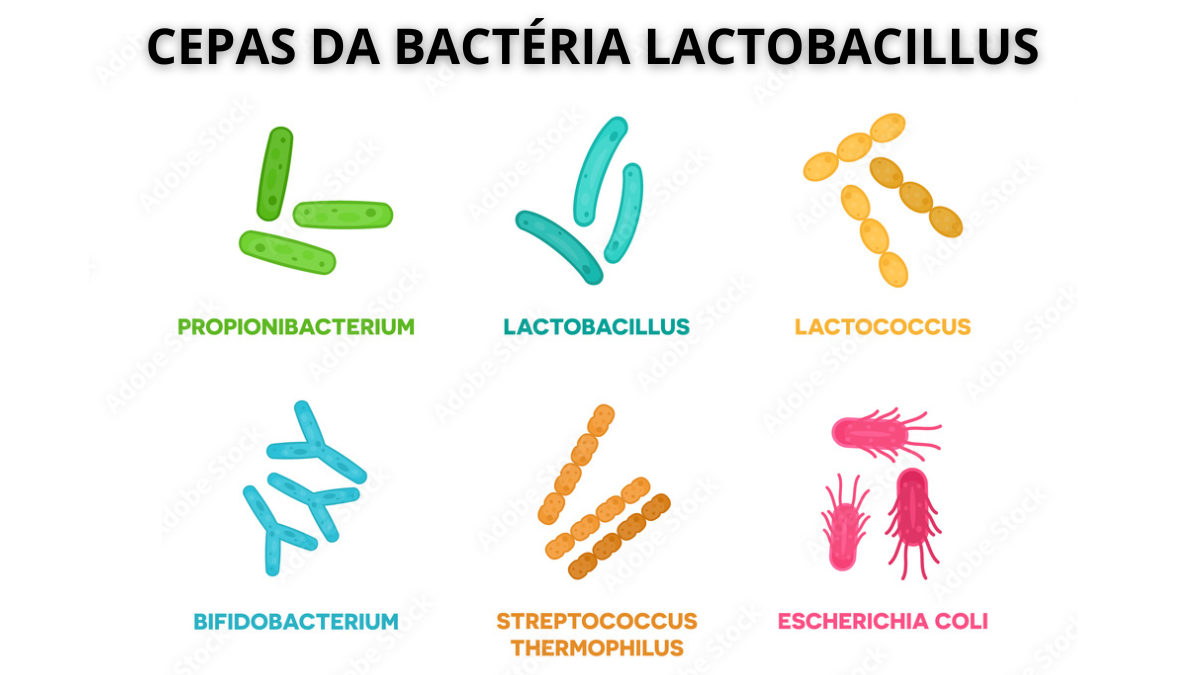
These good microbes stick to your teeth and gums. They block oral bacteria from settling. This is key to good dental care.
How Specific Strains Compete with Pathogens
Good strains fight off bad ones. They compete for food and space. This stops harmful bacteria from causing plaque.
The table below shows how different strains help your teeth:
| Probiotic Strain | Primary Benefit | Mechanism of Action |
|---|---|---|
| Lactobacillus Paracasei | Enamel Protection | pH Regulation |
| Lactobacillus Reuteri | Gum Health | Pathogen Inhibition |
| Streptococcus Salivarius | Breath Freshness | Microbiome Balance |
Choosing products with these strains is smart. It keeps your mouth healthy. Using good bacteria for teeth daily is important. It helps control oral bacteria levels.
Recognizing Signs of an Imbalanced Dental Microbiome
Spotting small changes in your mouth is key to good dental health. When your dental microbiome gets out of balance, your body sends out signals. These signals are important to listen to right away.
Being alert helps you catch problems early. Knowing what to look for lets you keep your mouth healthy and your smile bright.
Recognizing these signs early makes it much easier to balance oral bacteria naturally before small issues become bigger problems.
Common Symptoms of Dysbiosis
Dysbiosis happens when bad bacteria outnumber good ones in your mouth. A common sign is persistent bad breath. This usually comes from the waste of harmful bacteria.
You might also feel a fuzzy feeling on your teeth. This means plaque is building up fast. If left unchecked, it can cause your teeth to look different and feel sensitive.
When to Pay Attention to Your Gum Health
Your gums are a key indicator of your oral flora health. Bleeding when you brush or floss is a sign of trouble. It means your body is fighting off too many bad bacteria.
Good mouth flora keeps your gums firm and pink. They shouldn’t get upset by regular cleaning. If your gums stay red, swollen, or sore, it’s time to change your routine.
Acting fast is essential to avoid serious problems. Catching these signs early lets you fix your oral flora and keep your mouth flora healthy.
When to Consult a Dental Professional
Keeping your mouth clean at home is key to good health. But sometimes, you need a pro’s help. A dental professional makes sure your care is safe and works well for a long time.
At-Home Testing vs. Professional Microbiome Assessment
At-home kits (saliva pH strips, plaque-disclosing tablets) offer a general snapshot of your oral environment and are useful for tracking day-to-day habits. However, they cannot identify specific bacterial strains or measure inflammation markers. A professional assessment — often done through saliva diagnostics at a biologic or general dentist — gives a precise bacterial profile and a tailored plan. Use at-home tools for daily monitoring, and reserve professional testing for persistent symptoms or before starting a new probiotic regimen.
Identifying Chronic Issues
Some signs mean you need a dentist’s help. If you feel pain or see changes that don’t get better with brushing, see a dentist. Ignoring these signs can cause big problems later.
Watch for these signs that it’s time for a dentist:
- Persistent bleeding or swelling of the gums during brushing.
- Chronic bad breath that does not improve with flossing.
- Visible changes in tooth sensitivity or enamel texture.
- A lingering metallic or sour taste in your mouth.
Professional Cleaning and Microbiome Assessment
Deep cleanings by dentists are crucial for serious oral health problems. They remove plaque and tartar, which harm your mouth. This helps your good bacteria grow stronger.
Dentists use advanced tools for a microbiome assessment. They check your mouth’s bacteria to give you a custom plan. This way, you get a precise, science-backed plan for your dental health.
How Long Does It Take to Rebalance Your Oral Microbiome?
Most people begin noticing changes within two to four weeks of consistent habits — fresher breath, less plaque buildup, and calmer gums are usually the first signs. However, a fully stable microbiome shift, especially after antibiotics or chronic dysbiosis, can take eight to twelve weeks of daily brushing, probiotic use, and diet adjustments. Consistency matters more than intensity: small daily actions outperform occasional deep-cleaning efforts.
What Can Speed Up or Slow Down Progress
- Speeds it up: consistent hydration, low-sugar diet, daily flossing, alcohol-free rinses.
- Slows it down: smoking, chronic stress, frequent snacking, skipping professional cleanings.
Long-Term Strategies for Sustaining Oral Health
Keeping your mouth healthy is a lifelong journey. Quick fixes might help for a while, but real wellness comes from a dedicated commitment to your daily routine. By focusing on your teeth and gums, you lay a strong foundation for lasting health.
Building Consistent Habits
The best way to support your mouth microbiome is through simple, high-quality habits. Brushing twice a day and flossing are key to removing debris and preventing harm. When these habits become second nature, you lower your risk of dental problems.
Adding mouth probiotics to your routine can also help. These supplements work best when taken at the same time every day. This helps beneficial bacteria grow, keeping your mouth healthy and balanced.
Monitoring Changes in Your Oral Environment
It’s important to pay attention to how your mouth feels. Look for signs of gum inflammation or sensitivity. Catching small changes early helps you adjust your habits before problems get worse.
Staying up-to-date with new research in biologic dentistry is also key. Science is always finding new ways that nutrients and lifestyle choices affect your oral health. By tracking your progress, you can fine-tune your approach and keep your smile bright for years.
| Strategy | Frequency | Primary Benefit |
|---|---|---|
| Mechanical Cleaning | Twice Daily | Plaque disruption |
| Probiotic Intake | Once Daily | Microbiome balance |
| Hydration | Throughout Day | Saliva production |
| Professional Review | Bi-Annually | Early detection |
8. COMPARATIVE TABLES
| Approach | Benefit | Limitation | Evidence Level |
|---|---|---|---|
| Oral probiotics | Reduces cavity-causing bacteria | Effects vary by strain/brand | Moderate (clinical trials) |
| Alcohol-free mouthwash | Preserves natural flora | Less immediate “clean” feeling | Moderate |
| Diet adjustment | Sustains long-term balance | Slower visible results | Strong (established nutrition science) |
| Professional cleaning | Removes hardened tartar | Doesn’t prevent recurrence alone | Strong |
What Research Says
Research on the oral microbiome has grown substantially over the past decade. Clinical trials on Lactobacillus paracasei and Lactobacillus reuteri have shown these strains can reduce levels of cavity-causing bacteria and support gum tissue health when used consistently over several weeks. Studies published through the National Institutes of Health also link chronic oral inflammation to broader systemic markers, reinforcing the mouth-body connection referenced throughout this guide.
At the same time, researchers caution that probiotics and natural remedies work best as a complement to — not a replacement for — mechanical cleaning and professional dental care. No supplement has been shown to reverse advanced periodontal disease on its own. For the latest findings, resources like PubMed’s oral microbiome research index are updated regularly with new clinical data.
Conclusion
Keeping your mouth balanced needs daily habits that help your natural bacteria. By adding these seven tips to your routine, you lay a strong base for dental health. Making small changes in your diet, cleaning, and lifestyle can greatly improve your health.
Your mouth is a key to your body’s health. Keeping it healthy means good bacteria grow and bad ones stay away. Being consistent is key to a healthier smile.
These seven strategies give you a clear, natural roadmap to balance oral bacteria naturally and protect your smile for years to come.
Start improving your oral health today with these easy steps. Watch how your gums and teeth change over weeks. You can make a big difference in your dental health with care.
If you want to do more, talk to your local dentist. They can help you make a plan that fits your health goals. Start now for a brighter, healthier smile in the future.
This is exactly why learning to balance oral bacteria naturally is one of the most effective things you can do for long-term dental health.
FAQ
What exactly is the mouth microbiome and why does it matter?
How can I tell if my oral bacteria are out of balance?
Why is Lactobacillus Paracasei specifically recommended for dental health?
Can the type of toothbrush I use affect my mouth flora?
How do mouth probiotics differ from regular gut probiotics?
Does drinking water really help manage mouth bacteria?
Why should I avoid alcohol-based mouthwashes?
What foods should I eat to encourage good bacteria for teeth?
How does sugar affect the aerobic bacteria in oral cavity?
Can stress really impact my dental health?
When should I seek a professional microbiome assessment?
Can children use oral probiotics safely?
Most oral probiotic lozenges are formulated for adults, but pediatric dentists can recommend age-appropriate options. Always check with a dentist before introducing supplements to a child’s routine.
Does mouth taping help balance oral bacteria?
Mouth taping aims to reduce mouth breathing at night, which can otherwise dry the mouth and encourage harmful bacteria. It should only be tried after consulting a doctor, especially for people with nasal congestion or sleep apnea.
How does pH level affect oral bacteria balance?
A neutral oral pH (around 6.7–7.3) supports beneficial bacteria, while frequent acid exposure from sugar or soda lowers pH and favors decay-causing species. Rinsing with water after acidic foods helps restore balance faster.
Can chewing gum support a healthy oral microbiome?
Sugar-free gum with xylitol can stimulate saliva flow and reduce levels of Streptococcus mutans, making it a useful between-meal habit, though it doesn’t replace brushing or flossing.
Is bad breath always caused by bacteria?
Not always — while bacterial buildup is the most common cause, persistent bad breath can also stem from sinus issues, acid reflux, or certain medications, which is why chronic cases warrant a professional check.
How often should I replace my toothbrush for microbiome health?
Every three months, or sooner if bristles fray, since worn bristles clean less effectively and can harbor bacteria.
Can antibiotics disrupt the oral microbiome?
Yes, antibiotics can temporarily reduce both harmful and beneficial bacteria, which is why probiotic use is often recommended during and after a course of antibiotics, under professional guidance.
Does tongue scraping help balance mouth bacteria?
Tongue scraping removes bacterial buildup from the tongue’s surface, a common source of bad breath, and is a simple addition to a daily routine alongside brushing and flossing.
Are electric toothbrushes better for microbiome balance?
Studies suggest electric toothbrushes can remove plaque slightly more effectively than manual brushing when used correctly, which may support a more balanced oral environment over time.
Can vaping affect the oral microbiome the way smoking does?
Emerging research indicates vaping may also alter the oral bacterial balance and irritate gum tissue, though its long-term effects are still being studied compared to traditional smoking.
📚 Recommended for You (18)

Adele Smith is a researcher in the field of health and wellness, focusing on natural solutions for body care, nutrition, and healthy aging.
Over the years, she has studied the relationship between lifestyle habits, diet, nutritional supplementation, and long-term well-being. Her work aims to help readers understand natural information and approaches that can contribute to a better quality of life, promoting more conscious choices for health and overall well-being.