

Lactobacillus Reuteri: 7 Scientific Benefits for Teeth and Gums (Complete Guide 2026)
Posted on 03/30/2026 by Adele Smith
FacebookDiggLinkedInTwitterXPinterestYahoo MailBloggerTumblrRedditWhatsAppEmailTelegramCopy LinkGmailMySpaceDiigoPartilhar
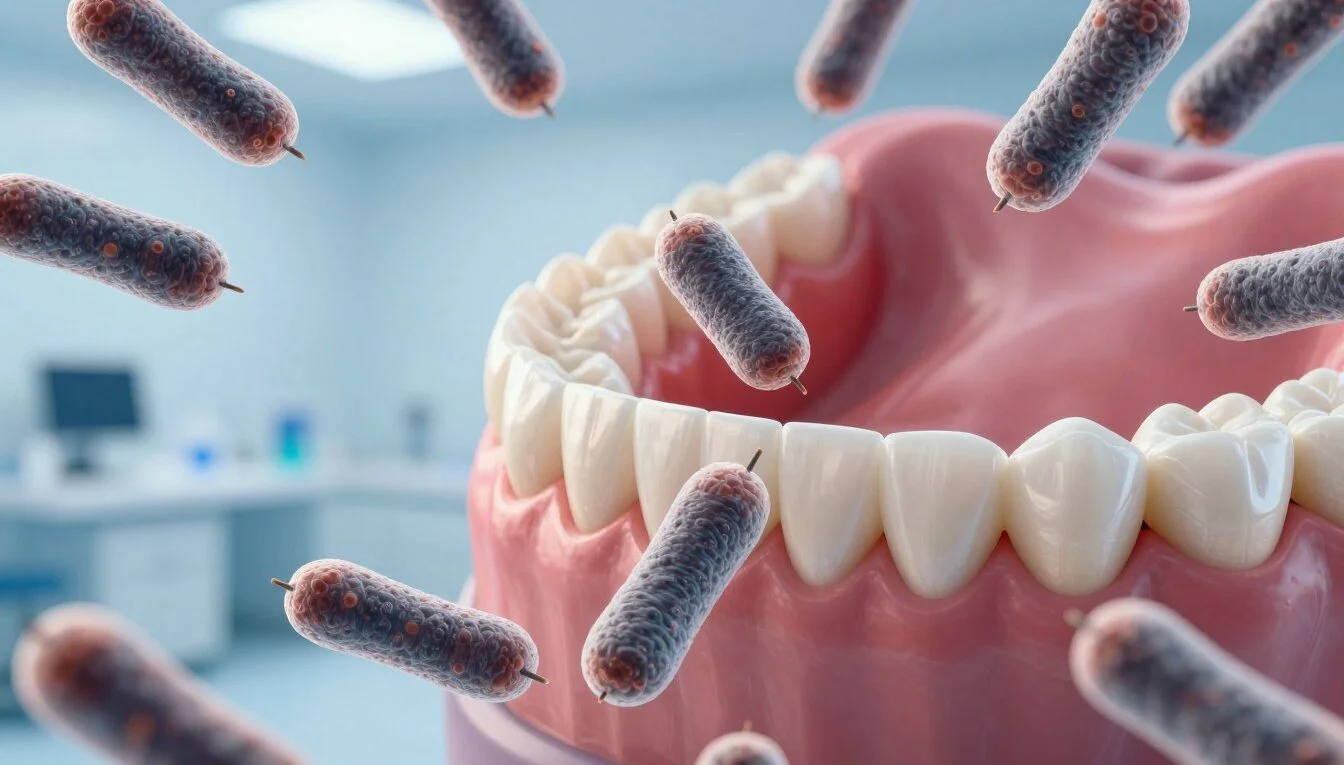
Lactobacillus reuteri is one of the most widely studied probiotic strains in connection with oral health, with researchers examining its potential role in supporting healthier gums, fresher breath, and stronger teeth.
Maintaining excellent oral health has evolved considerably in recent years. Brushing and flossing remain the foundation of good dental hygiene, but researchers are increasingly exploring how the balance of bacteria inside the mouth — the oral microbiome — may also play a supporting role.
Specific probiotic strains have drawn particular interest in this area. Lactobacillus reuteri is among the most studied strains related to dental health, with early research suggesting it may help limit the growth of bacteria associated with decay and inflammation.
According to the National Institutes of Health, the oral microbiome plays an important role in oral health, and imbalances have been linked to a range of dental issues.
Some people choose to include this strain as part of a broader oral care routine, alongside — not in place of — standard hygiene practices like brushing, flossing, and regular dental visits. This guide covers seven potential benefits of Lactobacillus reuteri that current research has explored.
Understanding these findings can help you make more informed choices about your oral care routine. Let’s look at what the evidence shows.
This content is for informational purposes only and is not a substitute for professional dental or medical advice. Always consult a dentist or physician before starting any new supplement.
Understanding the Role of Oral Microbiome Balance
Your oral microbiome is a complex ecosystem of microorganisms that, when balanced, supports overall oral health. This balance is thought to help limit the overgrowth of harmful bacteria, which in turn may help reduce the risk of certain oral health problems.
The CDC notes that an imbalance in oral bacteria has been associated with conditions such as gum disease and tooth decay.
The oral microbiome contains many different types of microorganisms that each play a role in oral health. When this balance is disrupted, it has been linked to issues such as gingivitis and periodontitis.
The Connection Between Gut and Oral Health
A growing body of research points to a connection between gut health and oral health, given that the mouth and gut are part of the same digestive tract. Supporting a healthy gut microbiome is considered important for overall wellbeing, including oral health.
Harvard Health has published research pointing to links between gut health and oral health.
The gut and oral microbiomes may influence one another through immune system pathways and the movement of bacteria between the mouth and gut. A balanced oral microbiome is therefore considered relevant to both oral and overall health.
Why Diversity Matters in Your Mouth
A diverse oral microbiome is generally considered a marker of good oral health. Having a wide range of beneficial bacteria may help keep harmful bacteria in check. Lactobacillus reuteri is one probiotic strain researchers have studied in relation to this balance.
A varied population of beneficial bacteria in the mouth may strengthen natural defenses against harmful pathogens, potentially supporting a lower risk of oral health issues.
The Science Behind Lactobacillus Reuteri
Research into Lactobacillus reuteri has explored its potential relevance to dental care and oral health, as a probiotic strain capable of colonizing the oral cavity.
The Mayo Clinic notes that probiotics may help support the body’s natural microbial balance.
Defining Probiotic Strains for Dental Care
Lactobacillus reuteri is a probiotic strain studied for its relevance to oral health. Probiotics are live microorganisms that may offer health benefits when consumed in adequate amounts. This particular strain has been shown in research to be capable of persisting in the oral cavity.
To evaluate probiotic strains for dental care, researchers typically look at how well they adhere to oral surfaces, how they interact with existing bacteria, and their effects on immune function. Studies suggest Lactobacillus reuteri performs well across these measures.
| Probiotic Strain | Studied Oral Health Associations | Proposed Mechanism |
|---|---|---|
| Lactobacillus Reuteri | Associated with reduced periodontal pathogens and improved gum health in some studies | Colonizes the oral cavity, competes with pathogens for space |
| Lactobacillus Acidophilus | Associated with oral pH balance and immune support | Produces lactic acid, may modulate immune response |
| Bifidobacterium Lactis | Associated with immune function and reduced oral infections in some research | May stimulate immune response and support barrier function |
Mechanism of Action in the Oral Environment
Research suggests Lactobacillus reuteri interacts with the oral environment in several ways. It appears to compete with harmful bacteria for the same attachment sites, which may help support a healthier oral environment.
It has also been studied for producing substances that may inhibit the growth of certain bacteria, as well as for potential effects on local immune activity. Together, these mechanisms are thought to contribute to a more balanced oral microbiome.
Some studies have found that Lactobacillus reuteri supplementation is associated with reductions in certain harmful oral bacteria, though results vary across studies and individuals.
How Lactobacillus Reuteri for Oral Health Works Naturally
Lactobacillus reuteri has drawn growing interest in dental research for its potential role in oral wellness, as a probiotic strain studied for its relationship to the balance of oral bacteria.
Research suggests Lactobacillus reuteri may support oral health by competing with harmful bacteria for space and resources, potentially contributing to a healthier oral environment.
Scientific Evidence for Dental Wellness
A number of studies have examined the effects of Lactobacillus reuteri on oral health. Some research suggests a possible role in supporting resistance to dental caries and gum disease. Certain clinical trials have reported reductions in Streptococcus mutans, a bacterium associated with cavities.
Clinical Studies on Probiotic Efficacy
Some clinical studies have reported associations between Lactobacillus reuteri use and improvements in gum health, including reduced bleeding and pocket depth in certain populations. These findings suggest it may be a useful addition to an existing oral care routine.
If you’re considering adding Lactobacillus reuteri to your oral care routine, it’s best to speak with a dentist first to determine whether it’s appropriate for your individual needs.
Lactobacillus reuteri is often combined with other strains in commercial oral probiotic formulas, and individual product effectiveness can vary — it’s worth reviewing the specific formulation and evidence behind any product you’re considering.
Reducing Harmful Bacteria in the Oral Cavity
Research published via PubMed has explored the ability of L. reuteri to inhibit certain harmful oral bacteria.
Harmful bacteria in the mouth are associated with tooth decay and gum disease, and maintaining a healthy balance of oral bacteria is considered important. Some research suggests Lactobacillus reuteri may help support this balance.
Inhibiting Streptococcus Mutans Growth
Streptococcus mutans is a bacterium closely associated with tooth decay. Some studies suggest Lactobacillus reuteri may inhibit its growth, potentially by competing for space and producing antimicrobial substances.
Certain studies have reported reductions in harmful oral bacteria following Lactobacillus reuteri use, which researchers suggest may correspond to a lower relative risk of tooth decay and related dental issues.
Disrupting Biofilm Formation Naturally
Biofilms are communities of bacteria that adhere to oral surfaces and contribute to the formation of dental plaque and gum disease. Some research indicates Lactobacillus reuteri may interfere with biofilm formation, making it more difficult for harmful bacteria to establish themselves.
| Mechanism | Studied Effect on Oral Health |
|---|---|
| Inhibition of Streptococcus mutans | Associated with reduced risk indicators for tooth decay |
| Disruption of biofilm formation | May help limit dental plaque and gum disease development |
| Promotion of a balanced oral microbiome | Associated with overall improvements in oral health markers |
Incorporating Lactobacillus reuteri into an oral care routine, alongside regular brushing and flossing, may support efforts to reduce harmful bacteria and maintain dental health.
Managing Gingival Inflammation and Bleeding
Lactobacillus reuteri has been studied for its potential role in addressing gingival inflammation. Gum inflammation and bleeding are common concerns that are often linked to oral hygiene habits and the presence of harmful bacteria.
Some studies suggest Lactobacillus reuteri may help reduce gum inflammation and bleeding, potentially by influencing the balance of oral bacteria and limiting harmful pathogens.
The Cleveland Clinic notes that inflammation in the gums is often connected to imbalances in oral bacteria.
Anti-inflammatory Properties of Probiotics
Researchers have studied the potential anti-inflammatory properties of Lactobacillus reuteri in relation to gingivitis. Left unaddressed, gum inflammation can progress and lead to more serious gum disease over time.
Some research has found that Lactobacillus reuteri is associated with lower levels of pro-inflammatory markers in the mouth, which may contribute to healthier gums and reduced bleeding.
Reducing Clinical Signs of Gingivitis
Certain studies report that Lactobacillus reuteri use is associated with a reduction in common gingivitis symptoms, including redness, swelling, and bleeding gums. Adding this probiotic to an oral care routine may, for some people, support improved gum health.
The proposed mechanism involves limiting harmful bacterial growth while helping to maintain a healthier balance of oral bacteria overall.
Strengthening the Oral Barrier Against Pathogens
A strong oral barrier is an important part of the mouth’s natural defense against harmful bacteria. Lactobacillus reuteri has been studied for its potential role in supporting this barrier function.
Boosting Localized Immune Defense
Some research suggests Lactobacillus reuteri may support local immune activity in the mouth, including the activation of certain immune cells and antibody production, without triggering excessive inflammation.
It has also been associated with increased levels of salivary antibodies, which play a role in defending against harmful bacteria. By supporting local immune defenses, this probiotic may help create an environment less favorable to harmful bacteria.
Preventing Bacterial Colonization
Limiting the growth of harmful bacteria is another important aspect of oral health. Lactobacillus reuteri is thought to compete with harmful bacteria for space along the oral lining, while also producing substances that may inhibit bacterial growth.
This strain’s ability to adhere to the oral lining is thought to be one of the mechanisms behind its potential to limit harmful bacterial colonization.
| Aspect | Lactobacillus Reuteri | Other Probiotic Strains |
|---|---|---|
| Adhesion to Oral Mucosa | Reported as strong in several studies | Varies by strain |
| Production of Antimicrobial Substances | Yes, per available research | Varies by strain |
| Immune System Modulation | Reported as effective in some studies | Effective but strain-dependent |
These findings help illustrate why Lactobacillus reuteri has drawn research interest in relation to oral barrier function.
Improving Breath Quality and Reducing Halitosis
Halitosis, or bad breath, is a common concern, and some research has explored whether Lactobacillus reuteri may help address its underlying causes.
Targeting Volatile Sulfur Compounds
Volatile sulfur compounds (VSCs) are a primary contributor to bad breath and are produced when certain bacteria break down proteins in the mouth. Some studies suggest Lactobacillus reuteri may help limit the growth of these bacteria.
Certain research has reported reduced VSC levels associated with Lactobacillus reuteri use, which may correspond to fresher breath. According to WebMD, these compounds are produced by specific types of oral bacteria.
Long-term Approaches to Fresh Breath
Mouthwashes and mints can offer temporary relief from bad breath. Some research suggests that addressing the underlying bacterial balance, as with Lactobacillus reuteri, may offer a more lasting approach for some individuals.
Beyond breath freshness, maintaining a balanced oral microbiome is also associated with broader oral health benefits, including support for gum health.
Supporting Periodontal Tissue Recovery

Lactobacillus reuteri has been studied in relation to periodontal tissue health, given its potential role in supporting a balanced oral environment.
The gum tissue and structures surrounding the teeth face ongoing challenges from bacterial exposure. Some research suggests Lactobacillus reuteri may help support a healthier environment conducive to tissue recovery and maintenance.
Promoting Healthy Gum Attachment
Some studies suggest Lactobacillus reuteri may support gum attachment in a few ways:
By potentially reducing gum inflammation
By potentially supporting the strength of gum attachment
By helping the gums resist harmful bacteria
Assisting Post-Treatment Healing
Following dental procedures, gum tissue often benefits from extra support during healing. Some research suggests Lactobacillus reuteri may assist by:
Potentially lowering infection risk
Supporting a healthier oral environment
Supporting the gums’ natural repair processes
As always, consult your dentist regarding post-treatment care recommendations, including whether a probiotic supplement is appropriate for your recovery.
Balancing Oral pH Levels for Enamel Protection
Oral health is closely tied to the pH balance within the mouth, and Lactobacillus reuteri has been studied for its potential role in supporting this balance. Maintaining a healthy oral pH is considered important for protecting tooth enamel.
The American Dental Association notes that acidic conditions in the mouth can accelerate tooth decay.
Oral pH reflects how acidic or alkaline the mouth’s environment is. Excess acidity can contribute to enamel erosion and tooth decay over time. Some research suggests Lactobacillus reuteri may help support a healthier pH balance.
Preventing Acid Erosion
Acid erosion is a significant concern for dental health, as it can weaken enamel and increase susceptibility to decay and sensitivity. Some research suggests Lactobacillus reuteri may help address this by supporting a more balanced oral environment.
Proposed effects include:
Potentially reducing acid-producing bacteria
Potentially supporting the mouth’s natural acid-buffering capacity
Potentially supporting enamel remineralization
Creating an Environment Less Favorable to Decay
By supporting a balanced oral pH, Lactobacillus reuteri may make it more difficult for decay-causing bacteria to thrive. Proposed benefits include:
| Benefit | Description |
|---|---|
| Inhibiting Pathogens | May compete with harmful bacteria for space and resources |
| Supporting Local Immunity | May support the mouth’s immune response |
| Promoting a Balanced Oral Microbiome | May support diversity among beneficial oral bacteria |
Enhancing Overall Immune Response in the Mouth
Oral health is closely connected to immune function, and researchers have studied Lactobacillus reuteri’s potential role in supporting it. The relationship between oral health and the immune system is complex and involves multiple mechanisms that help protect against harmful pathogens.
As an oral probiotic, Lactobacillus reuteri is thought to help support a balanced oral microbiome, which in turn may support healthy immune responses and lower the relative risk of certain oral infections.
Systemic Associations of Oral Probiotics
Some research suggests oral probiotics like Lactobacillus reuteri may have effects that extend beyond oral health, with certain studies pointing to potential immune-supporting benefits, including:
Potentially modulating immune response to reduce inflammation
Potentially supporting antibody production
Potentially supporting the integrity of the oral barrier against harmful bacteria
Interaction with Salivary Antibodies
Salivary antibodies play an important role in oral immune defense. Some research suggests Lactobacillus reuteri may interact with these antibodies in ways that support their effectiveness in neutralizing pathogens.
Understanding this relationship helps illustrate why researchers have studied Lactobacillus reuteri in connection with both oral and broader immune health, which may help inform decisions about oral care.
Potential associations studied include:
Support for immune response
Support for oral health markers
Possible benefits beyond the oral cavity
Selecting a Probiotic Supplement
Choosing a probiotic supplement is an important consideration for anyone interested in supporting oral health this way. With many products available, it helps to know what to look for.
Two key factors to evaluate are the quality of the strain and the CFU count.
Identifying High-Quality Strains
Not all probiotic strains are studied equally for oral health. Lactobacillus reuteri is among the more researched strains in this context. Look for products that clearly name the specific strain used and reference supporting research.
Choosing a product from a manufacturer that follows Good Manufacturing Practices (GMPs) and uses third-party testing can help ensure product quality and safety.
Reading Labels for CFU Counts
CFU stands for Colony-Forming Units, which indicates the amount of live bacteria in a supplement. Generally, a higher CFU count suggests a more concentrated product, though more is not always better — appropriate dosing varies by strain and individual needs.
Check the CFU count on the label and compare it to the amount used in relevant research. Consult a healthcare provider if you’re unsure what dosage is appropriate for you.
To help support the supplement’s effectiveness, follow the manufacturer’s instructions for use and storage, including refrigeration if required to preserve bacterial viability.
Integrating Probiotics into Your Daily Dental Routine

If you’re considering adding a probiotic like Lactobacillus reuteri to your daily dental care, it helps to understand the different ways it can be taken.
A few practical steps can help you get the most out of a probiotic routine, with consistency and timing being important factors.
Choosing the Delivery Method
Common delivery options include:
Oral tablets or capsules
Probiotic-infused toothpaste or mouthwash
Chewing gums or lozenges
Each format has its own advantages. Probiotic toothpaste, for example, integrates easily into an existing brushing routine.
| Delivery Method | Potential Benefits | Considerations |
|---|---|---|
| Oral Tablets/Capsules | Typically higher CFU count, easy to incorporate | May require swallowing or dissolving |
| Probiotic-Infused Toothpaste | Convenient, fits into regular brushing | CFU count may vary; taste preferences differ |
| Chewing Gums/Lozenges | May promote saliva production, easy to use | May contain sugars; often lower CFU count |
Timing Your Intake for Best Results
When you take a probiotic supplement can matter. General guidance often suggests:
Taking it after brushing, to avoid interference from fluoride toothpaste
Taking it at a consistent time each day to build a routine
Avoiding taking it too close to meals, per some product guidelines
Always follow the specific instructions provided by the product manufacturer, or ask your dentist for guidance.
Maintaining Consistency
Consistency is often cited as important for probiotic use to be effective. General suggestions include:
Taking the supplement at the same time each day
Continuing use for the duration recommended by the product or your dentist
Monitoring your oral health and adjusting your routine as needed, in consultation with a professional
Monitoring Your Progress with Oral Health Metrics
Tracking certain oral health indicators over time can help you and your dentist evaluate how a probiotic routine may be affecting your oral health.
Tracking Gum Sensitivity Changes
Gum sensitivity is a common concern. Changes worth tracking include:
Changes in discomfort while brushing or flossing
Changes in gum bleeding
Overall gum appearance and health, ideally assessed with your dentist
Observing Changes in Breath
Bad breath, or halitosis, is another metric some people choose to monitor, including:
Frequency of noticeable bad breath
Feedback from others, if relevant
Personal perception of breath freshness throughout the day
Sharing these observations with your dentist can help them assess whether your oral care routine, including any supplements, is working well for you.
Safety Considerations and Potential Side Effects
As with any supplement, it’s important to understand potential safety considerations before use. Many people tolerate probiotic supplements well, but certain individuals should exercise caution or avoid them altogether.
Who Should Avoid Probiotic Supplements
Some individuals should avoid probiotics or consult a doctor first, including those with serious underlying health conditions, weakened immune systems, those taking immunosuppressive medications, or those with a history of complications related to probiotic use. Always talk to your doctor before starting any new supplement, particularly if you are immunocompromised, pregnant, or breastfeeding.
Managing Initial Digestive Adjustments
Some people experience mild digestive discomfort, such as bloating or gas, when first starting a probiotic. These effects are typically temporary. Starting with a lower dose and gradually increasing it, or trying a different product, may help. If side effects persist or worsen, consult your doctor.
To minimize the likelihood of side effects, choose a reputable probiotic supplement formulated for oral health, follow the recommended dosage, and give your body time to adjust.
Consulting with Dental Professionals
Before starting any probiotic regimen, it’s advisable to consult with a dental professional, who can offer personalized guidance based on your specific oral health needs.
Dental professionals can help you understand how probiotics might fit into your broader oral care routine and which strains may be most relevant to your situation.
When to Seek Expert Advice
Consider seeking professional advice if:
You have ongoing oral health concerns
You’re considering adding a probiotic supplement to your routine
You have questions about how a probiotic might interact with other dental treatments
Integrating Probiotics with Standard Dental Care
Adding a probiotic to your dental care routine may complement, but should not replace, standard oral hygiene practices. A dental professional can help you understand how to incorporate probiotics alongside brushing, flossing, and regular checkups as part of a comprehensive oral health approach.
Conclusion
Lactobacillus reuteri has been the subject of a growing body of research related to oral health, with studies exploring its potential role in limiting harmful bacteria, supporting gum health, and reinforcing the mouth’s natural barrier function.
For some people, incorporating Lactobacillus reuteri into a daily dental care routine — alongside standard hygiene practices — may offer additional support for breath freshness, gum tissue health, and oral pH balance.
Before adding Lactobacillus reuteri or any oral probiotic to your routine, it’s worth discussing with your dentist whether it’s a good fit for your individual oral health needs.
Lactobacillus reuteri remains one of the more actively researched probiotic strains in relation to oral microbiome health, though individual results can vary and further research is ongoing.
This article is for informational purposes only and does not constitute medical or dental advice. Always consult a qualified healthcare or dental professional before starting any new supplement or oral care regimen. Some links in this article may be affiliate links; as an affiliate, we may earn a commission on qualifying purchases at no additional cost to you.
FAQ
What exactly is Lactobacillus reuteri, and how does it relate to oral health?
Lactobacillus reuteri is a naturally occurring probiotic strain studied for its role in supporting a balanced oral microbiome. Some research suggests it may help limit certain harmful bacteria while supporting beneficial ones, which may be relevant to preventing tooth decay and gum disease.
Can Lactobacillus reuteri help with bleeding gums and gingivitis?
Some research points to potential anti-inflammatory properties that may help reduce gum inflammation associated with harmful bacteria. Certain studies report improvements in gum health and reduced bleeding, though results vary and a dentist should be consulted for persistent symptoms.
How might this probiotic strain relate to bad breath?
Some studies suggest it may help limit bacteria associated with volatile sulfur compounds, which contribute to bad breath, potentially offering a longer-term approach compared to temporary solutions like mints or mouthwash.
Could Lactobacillus reuteri help protect tooth enamel from acid erosion?
Some research suggests it may support a healthier oral pH balance, which could help reduce the risk of acid-related enamel erosion. This is an area of ongoing research.
What should I look for in a dental probiotic supplement?
Look for products that clearly identify the specific strain used (such as L. reuteri DSM 17938), reference relevant research, and disclose the CFU count. Products from manufacturers following Good Manufacturing Practices with third-party testing are generally preferable.
How should I incorporate Lactobacillus reuteri into my daily dental routine?
General guidance suggests taking it after brushing and flossing and at a consistent time each day, though you should follow the specific product instructions or your dentist’s recommendation.
Are there any side effects or safety concerns?
Lactobacillus reuteri is generally considered well tolerated, though some people may experience mild digestive discomfort when starting. Anyone with a serious health condition, weakened immune system, or who is pregnant or breastfeeding should consult a doctor or dentist before use.
How soon might I see results?
Timelines vary by individual, but some research suggests changes in gum health and plaque levels may become noticeable within a few weeks, best assessed alongside regular dental checkups.
📚 Recommended for You (18)

Adele Smith is a researcher in the field of health and wellness, focusing on natural solutions for body care, nutrition, and healthy aging.
Over the years, she has studied the relationship between lifestyle habits, diet, nutritional supplementation, and long-term well-being. Her work aims to help readers understand natural information and approaches that can contribute to a better quality of life, promoting more conscious choices for health and overall well-being.