

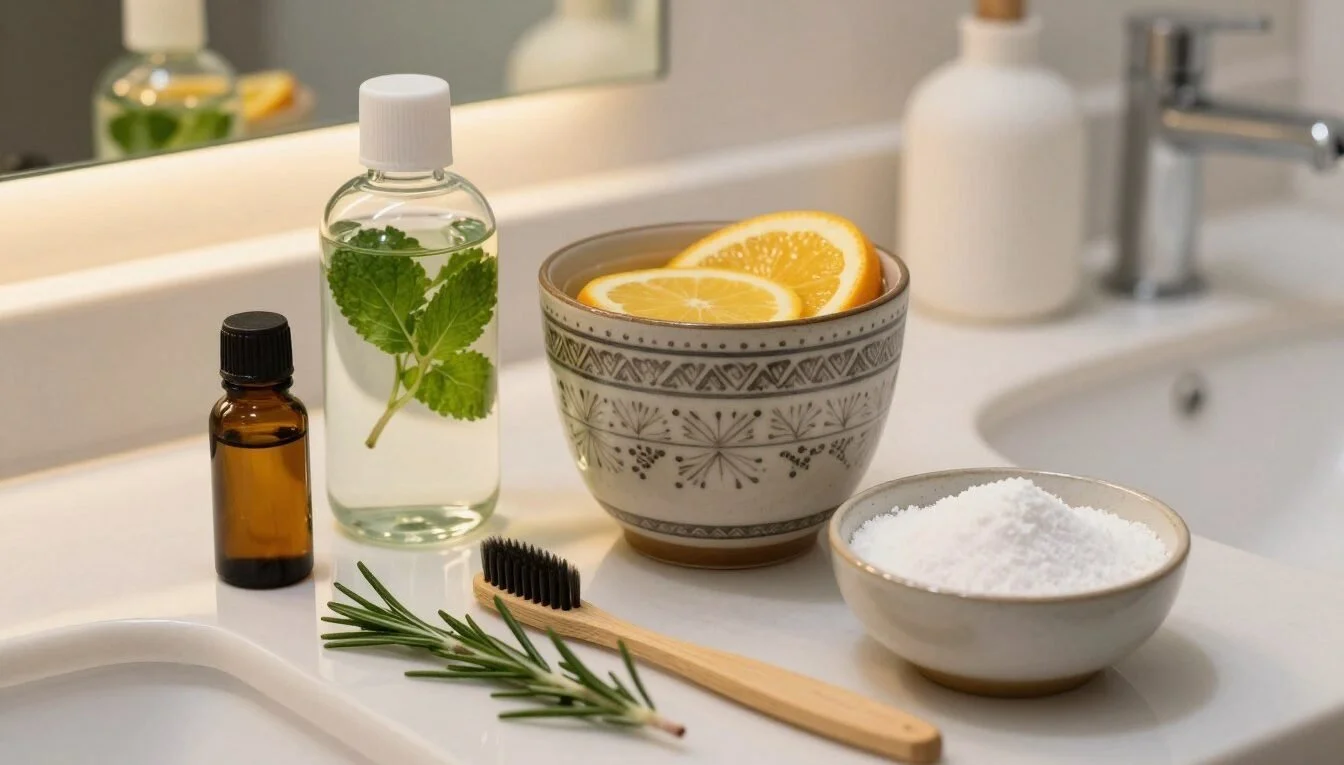
Natural Alternatives to Mouthwash: Do They Really Work? (2026)
Natural alternatives to mouthwash have become increasingly popular among people looking for gentle and effective oral care solutions.
Millions of people now use natural alternatives to mouthwash for their daily oral care. You might wonder if these plant-based rinses work as well as traditional mouthwashes. It’s key to know if they really help keep your gums healthy or if they don’t meet professional standards.
Many look for plant-based ingredients because they think they fight germs well. But, it’s important to check the science behind these claims before switching. We’ll look into if do natural mouthwash alternatives work well against plaque and germs.
By looking at the latest research, you can make a smart choice for your dental care. Your smile deserves the best protection. Knowing the facts is the first step to a healthier mouth.
Disclosure: This article may contain affiliate links. If you make a purchase through them, we may receive a commission at no additional cost to you. This does not influence our editorial analysis.
If your interest extends beyond mouthwashes and you also want to understand the role of the oral microbiome as a whole, it’s worth exploring other approaches, such as oral probiotics—a topic we explored in detail in another article.
Key Takeaways
- Many individuals use plant-based rinses to support their daily oral hygiene routines.
- Scientific evidence is necessary to verify the antimicrobial claims of these products.
- Understanding the ingredients helps you determine if a product meets your specific dental needs.
- Traditional clinical rinses often provide a different level of protection compared to botanical options.
- Evaluating research allows you to make confident choices for your long-term oral health.
Understanding Natural Alternatives to Mouthwash
Your mouth is a complex place that needs regular care to stay healthy. Keeping it clean stops plaque buildup. Plaque is a sticky mix of bacteria and food bits that sticks to your teeth. Brushing and flossing are key to removing it, but many look for mouthwash alternatives to boost their routine.
The Microbiome of Your Mouth
Billions of tiny living things live in your mouth. This oral microbiome has good and bad bacteria. When the balance shifts, bad bacteria can cause problems like gum inflammation or tooth decay.
To keep your mouth healthy, you need to support the good bacteria and control the bad ones. Knowing about your mouth’s ecosystem helps you choose better products. That’s why many are looking into natural mouthwash alternatives to help their oral health without harming the natural balance.
Why Traditional Mouthwash Is Often Used
Mouthwashes today are used to fight off mouth bacteria. They reach places your toothbrush can’t, adding extra protection against plaque. Consistency is key when using them to stop bacteria from taking over your gums.
Many mouthwashes use strong chemicals to kill bacteria fast. But, some people find these harsh on their sensitive mouths. So, there’s a growing interest in mouthwash alternatives that clean well but are gentle on the mouth.
The Science Behind Natural Alternatives to Mouthwash
Scientific research shows how plant compounds work in your mouth. By picking natural alternatives to mouthwash, you use plant chemistry for better oral care. These substances help keep your mouth healthy along with your usual cleaning routine.
How Antimicrobial Properties Work in Nature
Many plants have strong compounds that fight off germs. These antiseptic and antibacterial agents target harmful bacteria. They help reduce plaque and gum problems by breaking down bacterial cell walls.
Remember, these natural options don’t replace brushing and flossing. But they add extra protection. Natural alternatives to mouthwash can stop harmful bacteria from growing in your mouth’s hidden spots.
Balancing pH Levels in the Oral Cavity
Your mouth’s health depends on keeping the pH balance right. If it’s too acidic, it can harm your teeth. Natural ingredients can help balance this, making your mouth healthier.
Keeping your mouth’s pH in check protects your enamel. This way, your natural alternatives to mouthwash help strengthen your teeth over time. Regular use of these products keeps your mouth’s microbiome strong against decay.
Best Natural Alternatives to Mouthwash
Exploring plant-based oral care shows us powerful ingredients for gum health. Many people choose herbal mouthwash alternatives to avoid harsh chemicals. These natural options are gentle yet effective for a clean, healthy mouth.
The Benefits of Aloe Vera for Gums
Aloe vera is known for its soothing effects, and it’s great for your mouth too. Studies show it can reduce plaque buildup and help with gingivitis. It also fights S. mutans, a bacteria that causes tooth decay, especially in kids.
Using aloe vera helps protect your gums from inflammation. It’s a key part of many herbal mouthwash alternatives. It heals without hurting sensitive areas.
Using Clove Oil for Pain and Inflammation
Clove oil has been used for centuries for its pain-relieving properties. It numbs sensitive teeth and gums. It also fights inflammation, giving quick relief from pain.
Remember to mix clove oil well before using it. Its strong scent means a little goes a long way. Adding these ingredients to your routine makes for better oral care.
| Ingredient | Primary Benefit | Best Use Case |
|---|---|---|
| Aloe Vera | Reduces Plaque | Daily Gum Health |
| Clove Oil | Pain Relief | Inflammation Management |
| Tea Tree Oil | Antimicrobial | Fighting Bacteria |
Evaluating the Effectiveness of Salt Water Rinses

Looking for a natural mouthwash? A simple saline solution is surprisingly powerful. It has been used for years to help heal and keep the mouth clean. It’s a cheap, easy choice for those who want to avoid harsh chemicals.
Why Dentists Recommend Salt Water
Dentists often suggest salt water rinses because they make it hard for bad bacteria to grow. Studies show these rinses can lower plaque and kill certain bacteria like S. mutans and L. acidophilus. Salt water changes your mouth’s pH, stopping these bacteria from sticking to your teeth and gums.
Salt water also soothes sore tissues. It’s often the first choice for after dental work. Using it regularly can help remove debris and bacteria that cause bad breath.
Proper Ratios for a Safe Rinse
Making your own saline rinse is easy, but you need the right mix. Mix about half a teaspoon of salt with eight ounces of warm water. Stir until the salt is fully dissolved before rinsing.
To get the most out of it, swish the solution around your mouth for thirty to sixty seconds. Make sure to spit it out, not swallow. This simple step can greatly improve your oral care routine.
| Feature | Salt Water Rinse | Commercial Mouthwash |
|---|---|---|
| Cost | Very Low | Moderate to High |
| Ingredients | Natural Salt | Alcohol, Dyes, Flavors |
| Effectiveness | High for Plaque | High for Breath |
| Safety | Gentle on Enamel | May Cause Dryness |
Oil Pulling: An Ancient Practice for Modern Oral Care
Discover how an ancient Ayurvedic method can change your natural oral care routine. It involves swishing oil in your mouth to clean out debris and bacteria. This simple habit can be a great addition to your daily routine.
Coconut Oil and Its Antibacterial Potential
Coconut oil is a top choice for oil pulling because of its lauric acid. This acid has significant antimicrobial properties. It fights off harmful bacteria in your mouth.
Studies show that using coconut oil twice a day for a week can lower plaque and gum inflammation. Adding this to your natural oral care routine can make your mouth cleaner.
Techniques for Effective Oil Pulling
To get the most out of oil pulling, do it right. Being consistent is key when starting this journey to better dental health.
Here’s how to make it a part of your morning routine:
- Take one tablespoon of high-quality, organic coconut oil into your mouth.
- Swish the oil gently between your teeth and around your gums for 10 to 15 minutes.
- Spit the oil into a trash can rather than the sink to prevent plumbing clogs.
- Rinse your mouth thoroughly with warm water and proceed with your regular brushing.
Spending just a few minutes each day on this can help your natural oral care goals. It supports a balanced microbiome and long-term gum health.
The Role of Essential Oils in Dental Rinse Alternatives

Exploring natural mouthwash options often leads to essential oils. These plant extracts are known for their strong antiseptic powers. They are key parts of many dental rinse alternatives.
By using nature’s power, you can keep your mouth healthy. You won’t need harsh chemicals.
“Essential oils are frequently cited in natural dentistry for their concentrated antiseptic properties, although clinical efficacy varies depending on concentration and method of use.”
Peppermint Oil for Breath Freshness
Peppermint oil is famous for its cooling effect. It not only tastes refreshing but also fights bad breath. Adding it to a dental rinse alternatives mix makes your mouth feel fresh for a long time.
Tea Tree Oil and Its Antifungal Properties
Tea tree oil is a big player in oral health. Studies show it can increase salivary pH, making it hard for bad bacteria to thrive. It also helps gums stay healthy by reducing bleeding.
Tea tree oil is very strong, so use it carefully. Never put it straight on your mouth. Mix a tiny, high-quality drop with a carrier base for a safe natural mouthwash. Using pure, therapeutic-grade oils is key to getting the most benefits without harming your mouth’s delicate balance.
Homemade Natural Alternatives to Mouthwash
Trying out homemade mouthwash alternatives can be fun and save you money. Making your own mouthwash lets you pick what goes into it. This way, you avoid harsh chemicals and artificial colors found in store-bought products.
Simple Ingredients for Daily Use
You might already have things in your kitchen that are good for your mouth. A simple mouthwash alternative is using baking soda. Just mix half a teaspoon of it with 250 mL of warm water.
This mix is great because it kills bacteria and balances your mouth’s acid levels. It’s also gentle, making it perfect for sensitive mouths. Make sure the baking soda is fully dissolved to avoid any rough feeling.
Storage and Shelf-Life Considerations
When you make your own dental care, safety is key. Homemade mixes don’t have the preservatives of store-bought ones, so they don’t last as long. Make small amounts to use within a few days for the best results.
Keep your homemade mouthwash in a clean, sealed glass container. Store it in a cool, dark spot, away from sunlight. If it looks, smells, or tastes different, throw it out and make a new batch.
| Ingredient | Primary Benefit | Usage Tip |
|---|---|---|
| Baking Soda | Neutralizes Acid | Dissolve completely |
| Sea Salt | Reduces Inflammation | Use non-iodized |
| Distilled Water | Ensures Purity | Always use fresh |
Natural Alternatives to Mouthwash vs Commercial Mouthwash

Looking into your daily oral care routine? It’s wise to compare natural alternatives to mouthwash with regular products. You might want to pick a routine that’s good for your health without side effects. Knowing the differences between these options helps you choose the best for your smile.
Alcohol-Free vs. Alcohol-Based Rinses
Many mouthwashes use a lot of alcohol to kill germs. But, this can dry out your mouth, making bad breath worse. A dry mouth is a perfect place for bacteria that cause bad breath to grow.
On the other hand, natural alternatives to mouthwash focus on keeping your mouth moist. They use gentle ingredients instead of harsh chemicals. This is great if you often have a dry mouth or are sensitive.
Cost-Benefit Analysis of Natural Solutions
Commercial mouthwashes are cheap because they’re made in big batches. But, the health benefits of natural alternatives to mouthwash might be worth more in the long run. Choosing organic ingredients can prevent problems caused by harsh chemicals.
You can also make your own mouthwash at home, saving money. Buying ingredients like essential oils or sea salt in bulk lets you control what’s in your mouthwash. This is a smart way to take care of your mouth without breaking the bank.
| Feature | Commercial Rinse | Natural Alternative |
|---|---|---|
| Primary Base | Alcohol or Chemicals | Water, Oil, or Herbs |
| Side Effects | Potential Dryness | Usually Gentle |
| Cost Efficiency | Low per unit | High long-term value |
| Customization | None | Fully Adjustable |
Potential Risks of DIY Oral Care Solutions
Before you make your own dental rinses, think about the risks. Many people choose natural oral care for its purity. But, homemade solutions can have hidden dangers. Without expert advice, you might harm your teeth.
Avoiding Acidic Ingredients That Damage Enamel
Many homemade mouthwash alternatives use lemon juice or apple cider vinegar. These have antibacterial properties but are very acidic. Using them too much can wear down your tooth enamel.
Lost enamel doesn’t grow back. This makes your teeth sensitive and prone to decay. It’s crucial to protect your enamel in your oral care routine.
“The dose makes the poison, and this is especially true when applying potent natural extracts directly to the delicate tissues of the mouth.”
Allergic Reactions to Natural Extracts
Natural doesn’t mean safe for everyone. Plant extracts can cause allergic reactions or irritation. For example, too much liquorice can lead to high blood pressure and other health problems.
Always do a simple patch test on your inner forearm before using a new mixture. If you see redness or itching, stop using it right away. Knowing what’s in your homemade mouthwash alternatives helps keep your oral care journey safe and effective.
How to Choose the Best Natural Alternatives to Mouthwash

Creating a sustainable oral care plan is more than just picking a product. You need to check your current oral health to find the best natural alternatives to mouthwash for you. A custom plan helps your daily habits support your long-term health, not harm it.
Assessing Your Specific Dental Needs
First, figure out what you’re worried about, like sensitive teeth or gum problems. If your teeth are sensitive, stay away from products that are too acidic or harsh. Knowing your unique oral environment helps you pick dental rinse alternatives that are gentle yet effective.
Here’s a table to guide you in matching your dental needs with the right approach:
| Dental Concern | Recommended Focus | Natural Strategy |
|---|---|---|
| Gum Sensitivity | Soothing Inflammation | Aloe Vera or Salt Water |
| Breath Freshness | Antibacterial Action | Peppermint or Tea Tree Oil |
| Enamel Health | pH Balancing | Diluted Herbal Rinses |
Consulting with Your Dentist Before Switching
Before you start your new routine, talk to your dentist. They know a lot about the science behind different products. They can give you evidence-based advice based on your dental history. They’ll check if your chosen dental rinse alternatives are good for your teeth and gums.
Your dentist is a key partner in your health journey. By telling them about your interest in natural alternatives to mouthwash, they can watch your progress. This teamwork makes sure your home care routine is both effective and safe for your teeth in the long run.
Natural Ways to Freshen Breath Effectively
Fresh breath is a sign of good health. You can get it with simple, natural steps. Many turn to commercial products, but there are natural ways to freshen breath that tackle the cause of odor. By focusing on your internal health, you can stay confident all day.
Dietary Changes for Better Breath
What you eat affects your breath’s scent. Foods like garlic and onions have sulfur compounds that stay in your system. To fight this, add fresh herbs like parsley, mint, or cilantro to your meals. They are natural deodorizers.
Also, adding probiotics to your diet can help a lot. Probiotic supplements or fermented foods can control bad breath by fighting off bacteria. These natural ways to freshen breath balance your mouth’s bacteria from the inside.
“Some preliminary studies suggest that mouthwashes based on red ginseng extract may have an antibacterial effect comparable to that of certain commercial brands, although more large-scale clinical studies are needed to confirm these results“
Hydration and Its Impact on Oral Health
Water is a key player in oral hygiene. A dry mouth invites bacteria, causing bad smells. Drinking enough water keeps your mouth moist, washing away food and neutralizing acids.
- Drink at least eight glasses of water daily to keep your mouth moist.
- Avoid too much caffeine, as it can dry out your mouth.
- Chew sugar-free gum to help saliva flow between meals.
Drinking enough water is a simple yet effective natural way to freshen breath. A hydrated mouth makes it hard for bacteria to cause bad breath. This habit, along with eating mindfully, is a strong defense against bad breath.
The Importance of Professional Dental Guidance
Keeping your smile healthy is more than just using home remedies. It’s about working closely with your dentist. While you might try different mouthwash alternatives, they can’t replace a dentist’s skills. Your mouth is complex, and only a dentist can use the right tools to check it properly.
When Natural Alternatives Are Not Enough
Home remedies can’t fully replace brushing, flossing, and dentist visits. For serious gum disease or infections, dental rinse alternatives won’t fix the problem. Only a dentist can do the needed treatments safely.
Using only DIY solutions can hide serious problems. If you have ongoing bleeding, swelling, or pain, see a dentist right away. Early treatment stops bigger problems that simple rinses can’t fix.
The Role of Regular Checkups
Dental checkups are key to a healthy mouth. Your dentist cleans your teeth thoroughly, removing plaque that home care can’t. This keeps your teeth and gums strong.
Your dentist also looks for hidden decay or cancer. Mixing natural care with professional advice keeps your smile healthy. Regular dental visits are crucial for a long-lasting, bright smile.
| Care Category | Home-Based Care | Professional Dental Care |
|---|---|---|
| Primary Goal | Daily Maintenance | Disease Prevention & Treatment |
| Tools Used | Natural Rinses & Floss | Advanced Diagnostic Equipment |
| Frequency | Daily | Bi-Annually |
| Effectiveness | Surface Level | Deep Tissue & Structural |
Myths About Natural Alternatives to Mouthwash
The debate between traditional and natural oral care products is full of myths. Many claim that natural ingredients are better than lab-made ones. But, it’s key to look beyond marketing to see what really keeps your teeth safe.
Is Natural Always Better?
Some think a natural mouthwash is safer or more effective than store-bought ones. Plant-based ingredients can soothe, but their plaque control is often inconclusive compared to lab-tested products. Don’t assume “natural” means it’s a full replacement for proven dental care.
Many herbal mouthwash alternatives don’t have the same level of scientific backing as traditional products. They might smell nice or feel gentle, but they might not protect against harmful bacteria as well. Always choose products that have been tested for their impact on your mouth’s health.
Addressing Misconceptions About Fluoride
Another myth is about fluoride. Some think avoiding fluoride is key for a natural lifestyle, but fluoride is a cornerstone of modern dentistry. It strengthens your enamel and can even reverse early tooth decay.
Skipping fluoride without a dentist’s advice can make your teeth more prone to cavities. While herbal mouthwash alternatives can freshen breath, they rarely offer the same benefits as fluoride. It’s best to balance your preferences with evidence-based care for long-term health.
| Feature | Natural Mouthwash | Conventional Rinse |
|---|---|---|
| Primary Goal | Breath & Soothing | Plaque & Decay Control |
| Key Ingredient | Essential Oils | Fluoride/Antiseptics |
| Clinical Evidence | Often Limited | Extensive Research |
| Enamel Support | Minimal | High |
Integrating Natural Products into Your Daily Habits
Long-term dental wellness comes from blending new habits into your daily life. Adding plant-based solutions to your routine can help your gums and teeth. Small, intentional changes can lead to big health improvements.
Combining Brushing, Flossing, and Rinsing
Mouthwashes are a safe way to fight plaque when used right. Use your rinse after brushing and flossing. This order helps your rinse work better on your teeth.
When you choose natural oral care, think about when you use it. Morning and before bed rinses protect your mouth all day. This easy step keeps your mouth clean.
Consistency as the Key to Success
Sticking to your oral care routine is key. You won’t see lasting results from occasional use. Make sure to keep your rinse with your toothbrush to avoid missing a step.
Committing to natural ways to freshen breath means daily practice. Consistency helps your mouth’s health balance. Over time, these habits become natural, supporting your dental health goals.
| Habit | Frequency | Primary Benefit |
|---|---|---|
| Brushing | Twice Daily | Plaque Removal |
| Flossing | Once Daily | Gum Health |
| Natural Rinsing | Twice Daily | Breath Freshness |
Scientific Evidence on Natural Alternatives to Mouthwash
Science is finally catching up with ancient wisdom on oral health. You might wonder: do natural mouthwash alternatives work as well as store-bought ones? Many people love these natural options, but scientists are still studying their long-term effects on our mouths.
Reviewing Clinical Evidence
Dental research is changing fast. Studies mainly look at how plants fight plaque bacteria. But, we need more big studies to be sure.
Scientists compare natural mouthwashes to chemical ones to see if they kill bacteria. Testing is tricky because natural products vary a lot. Knowing this helps you pick the right natural mouthwash for you.
“Evidence-based dentistry remains the gold standard in patient care, reinforcing the importance of treating natural alternatives as a complement—not a substitute—for clinically proven treatments.”.
What Current Research Says About Herbal Rinses
Recent studies on herbal mouthwash alternatives show great results. For example, a study found that a rinse with red ginseng extract really works well. It even outperformed some big brand mouthwashes.
If you’re still unsure do natural mouthwash alternatives work, the answer is yes. Certain plants have strong powers against bad bacteria. Here’s a table showing how different natural ingredients are seen in dental research.
| Ingredient | Primary Benefit | Scientific Status |
|---|---|---|
| Red Ginseng | Bacterial Reduction | High Potential |
| Tea Tree Oil | Antifungal Action | Well-Documented |
| Clove Oil | Pain Relief | Clinically Supported |
| Aloe Vera | Gum Soothing | Widely Recognized |
Using this info can help you choose better. Remember, herbal mouthwash alternatives are great, but don’t forget to see your dentist regularly.
Aviso importante: as informações deste artigo têm caráter educativo e não substituem uma consulta odontológica. Antes de iniciar qualquer novo produto ou rotina de higiene bucal, converse com seu dentista, especialmente se você tiver gengivite, sensibilidade dentária ou outra condição pré-existente.
Conclusion
Your journey to a healthier smile starts with smart choices. Looking into natural mouthwash alternatives is a great step. These options can boost your dental care when used right.
Getting advice from a dentist is key to good oral health. Think of these natural solutions as additions, not full replacements. Regular dentist visits help make sure you’re using the right methods for your needs.
Sticking to a routine is crucial for lasting dental health. Adding natural mouthwash alternatives to your brushing and flossing can make a big difference. Even small changes can lead to big improvements in your health.
Next, talk to your dentist about these options. They can guide you to the best ingredients for your mouth. With the right knowledge, you can keep your smile bright and healthy for years.
🌿 Want to Go Beyond Mouthwash?
Natural rinses may support oral hygiene, but many readers are also exploring the growing role of oral probiotics in maintaining a balanced mouth microbiome.
See what independent reviewers, Reddit discussions and verified buyers have discovered before making your decision.
FAQ
Do natural mouthwash alternatives work as effectively as traditional commercial rinses?
What are the most common herbal mouthwash alternatives used for gum health?
Are homemade mouthwash alternatives safe for my tooth enamel?
How does oil pulling with coconut oil benefit my natural oral care routine?
Why do dental professionals often recommend a saline rinse?
What are some other natural ways to freshen breath besides using mouthwash?
Can essential oils be used directly as a mouthwash?
When should I consult a dentist regarding my natural oral care routine?
📚 Recommended for You (18)

Adele Smith is a researcher in the field of health and wellness, focusing on natural solutions for body care, nutrition, and healthy aging.
Over the years, she has studied the relationship between lifestyle habits, diet, nutritional supplementation, and long-term well-being. Her work aims to help readers understand natural information and approaches that can contribute to a better quality of life, promoting more conscious choices for health and overall well-being.