

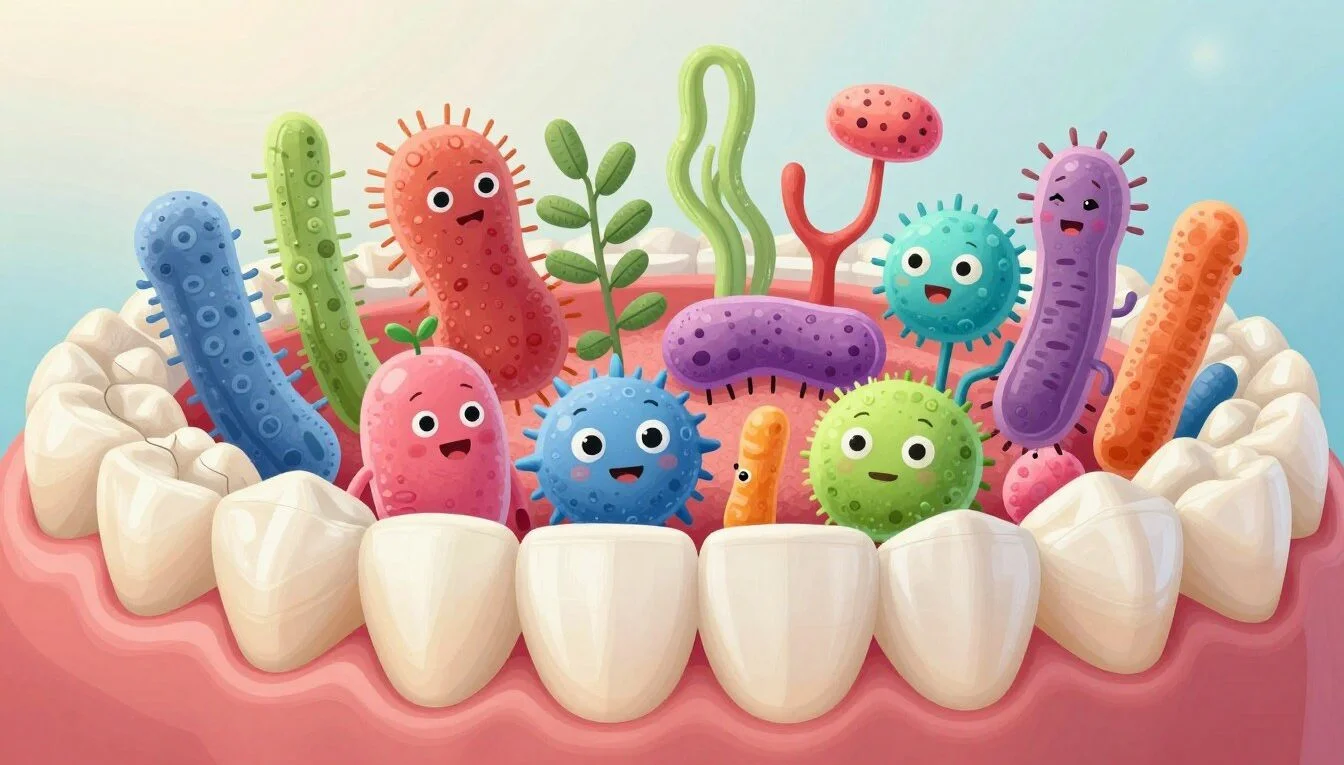
Oral microbiome: 7 secrets for oral health in 2026.
This article is for informational purposes only and does not replace professional dental advice.
In 2026, your oral microbiome is more than just a pretty smile. It’s a key part of keeping you healthy. This mix of bacteria helps your body stay well in ways we’re still learning.
Keeping your mouth balanced is essential to avoid dental problems. By taking care of your mouth’s natural guards, you protect your health. This also keeps your body safe from hidden inflammation.
Learning about your body’s rhythms helps you improve your daily habits. This guide shares the top seven ways to keep your mouth healthy. Follow these tips to stay healthy all year.
Understanding the oral microbiome ecosystem
Think of your mouth as a lively city filled with trillions of tiny beings. This oral microbiome is more than just germs. It’s a complex system that keeps your teeth and gums healthy.
Defining the microbial community in your mouth
Your mouth is home to many bacteria, fungi, and viruses. They live together in your teeth, gums, and tongue. Their goal is to stay in balance.
When they work together, they protect your mouth from harm. They help keep your mouth’s pH levels right and your enamel strong. Knowing how they work is key to good health.
Why diversity is the key to a healthy oral microbiome
A healthy oral microbiome needs variety, not sterility. A mix of good species keeps any one group from causing trouble. This mix helps your mouth fight off bad stuff.
Studies show that a diverse microbiome is better than a clean one. It helps prevent dental problems. Here’s how different states of your mouth affect your health.
| Feature | Balanced State | Imbalanced State |
|---|---|---|
| Bacterial Variety | High and diverse | Low and restricted |
| pH Levels | Neutral and stable | Acidic and volatile |
| Gum Health | Strong and resilient | Inflamed and sensitive |
| Defense Mechanism | Active protection | Weakened immunity |
To keep your oral microbiome healthy, adopt good habits. A diverse microbiome leads to a strong, lasting smile.
The science behind oral health and bacterial balance
Your mouth is home to tiny life that affects your teeth’s strength. Brushing is important, but the real secret to oral health is the tiny creatures in your gums and on your tongue. They need a balance to work right.
When this balance changes, problems like tooth decay or sensitivity can happen. Knowing how these tiny organisms work helps you choose better hygiene habits.
How beneficial bacteria protect your teeth
Not all mouth bacteria harm your smile. Some help fight dental decay. They make enzymes that stop harmful acids from damaging your teeth.
Having more of these good bacteria helps protect your teeth. Supporting these good bacteria is better than using harsh chemicals. When they thrive, they keep cavity-causing bacteria away.
The role of pH levels in maintaining oral flora
The pH level in your mouth affects your oral flora. A neutral pH keeps your teeth strong and gums healthy. If your mouth is too acidic, harmful bacteria grow and your enamel weakens.
Keeping your pH balanced helps your protective bacteria do their job. Your diet and daily care products can help. The table below shows how different conditions affect your dental health.
| Condition | pH Level | Impact on Enamel | Bacterial Activity |
|---|---|---|---|
| Highly Acidic | Below 5.5 | Rapid Erosion | Harmful growth |
| Neutral | 7.0 | Stable/Protected | Beneficial balance |
| Alkaline | Above 7.5 | Mineralization | Minimal activity |
Step 1: Mastering the art of mindful brushing
Mastering mindful brushing means changing how you care for your teeth. It’s not just about removing plaque. It’s about keeping the good bacteria that protect your mouth.
Brushing too hard can harm the good bacteria. By brushing slowly and carefully, you keep your mouth healthy. Mindfulness in your routine is key to a healthy mouth.
Choosing the right toothbrush for your oral microbiome
The toothbrush you use every day is very important. Many brushes are too rough, damaging your gums and enamel. Always choose soft-bristled brushes for gentle cleaning.
Look for brushes with soft, rounded bristles. These are designed to clean without hurting your gums. Avoiding harsh materials helps keep your mouth healthy.
Techniques to avoid damaging your natural defenses
Your brushing technique is crucial. Use gentle, circular motions to clean your teeth. This method is effective without hurting your mouth.
Here are some tips to protect your mouth:
- Apply only light pressure to avoid gum recession.
- Spend at least two minutes to ensure thorough coverage.
- Focus on the junction where your teeth meet your gums.
- Replace your toothbrush every three months to maintain hygiene.
The table below shows how different brushing habits affect your mouth and biofilm.
| Brushing Habit | Impact on Biofilm | Microbiome Outcome |
|---|---|---|
| Hard-bristled brush | High abrasion | Dysbiosis risk |
| Aggressive scrubbing | Tissue damage | Inflammation |
| Soft-bristled brush | Gentle cleaning | Balanced flora |
| Mindful circular motion | Optimal removal | Healthy ecosystem |
Step 2: Selecting the right oral probiotics for your needs
Today, you can support your mouth’s natural defenses with specific probiotic strains. These supplements introduce beneficial bacteria to manage your oral microbiome. They help crowd out harmful pathogens and create a balanced mouth environment.
Identifying high-quality probiotic strains
Not all supplements are the same. You need to read labels carefully. Look for products with clinically studied strains like Streptococcus salivarius K12 or M18. have shown to support dental health long-term.
When looking for oral probiotics, remember these key points for a quality product:
- Live Cultures: Make sure the label promises a high CFU count at expiration.
- Strain Specificity: Check that the product lists the exact bacteria type.
- Additives: Steer clear of products with too much sugar or artificial sweeteners.
- Storage Requirements: See if the product needs refrigeration to keep the cultures alive.
How to integrate supplements into your daily routine
Consistency is key when using oral probiotics for a better oral microbiome. The best time to take them is before bed, after brushing and flossing.
By taking them at night, the bacteria can settle in your mouth while you sleep. This way, they’re not washed away by food or drink. Just let the lozenge or tablet dissolve on your tongue. Consistency over weeks will improve your dental health the most.
Step 3: Implementing natural oral hygiene practices
You can change your daily routine with natural oral hygiene methods. These methods help control bacteria better than synthetic products. They let your mouth keep its natural balance without harm.
Choosing plant-based solutions helps your mouth’s diverse microbial community. This community protects your teeth and gums.
The benefits of oil pulling for bacterial control
Oil pulling is an old practice using coconut oil in your mouth for minutes. It removes harmful bacteria from your teeth and soft tissues. Coconut oil’s lauric acid has natural antimicrobial properties.
Many people find it reduces plaque and gives fresher breath. It cleanses gently without harming the good microbes your mouth needs. Adding it to your morning routine can greatly improve your dental health.
Natural alternatives to harsh chemical mouthwashes
Regular mouthwashes often have alcohol or synthetic dyes that harm your oral microbiome. These ingredients can kill both good and bad bacteria, causing dryness and sensitivity. Choosing natural oral hygiene alternatives cleans your mouth without harming your natural defenses.
Try using saltwater rinses or herbal infusions like clove or peppermint for your gums. These options clean your mouth gently while keeping its biological integrity. The table below shows the main differences between these methods to help you choose wisely.
| Feature | Conventional Mouthwash | Natural Alternatives |
|---|---|---|
| Microbiome Impact | Often disruptive | Supports balance |
| Key Ingredients | Alcohol, artificial dyes | Essential oils, salt, coconut oil |
| Primary Benefit | Temporary freshness | Long-term oral health |
| Sensitivity Risk | High | Low |
Step 4: Optimizing your diet to support oral flora
Your daily food choices fuel the complex ecosystem in your mouth. Choosing nutrient-dense foods helps beneficial bacteria thrive. This keeps your oral microbiome balanced and stops harmful microbes.
Foods that nourish your oral microbiome
Eating whole, unprocessed foods is key for a healthy oral flora. Crunchy veggies like carrots and celery boost saliva, which cleanses teeth. Fermented foods like yogurt and sauerkraut add probiotics, boosting your defenses.
Plant-based foods high in fiber keep your mouth hostile to pathogens. These foods need more chewing, which increases saliva flow and neutralizes acids. Eating these foods regularly builds a strong and diverse oral microbiome.
Reducing sugar intake to prevent harmful bacterial growth
Refined sugar is a major threat to your teeth. Sugary foods and drinks quickly turn into acids that harm your enamel. This disrupts your oral flora balance, causing cavities and inflammation.
Lowering your sugar intake is crucial. Here’s a comparison to guide your food choices:
| Food Category | Impact on Bacteria | Recommended Action |
|---|---|---|
| Refined Sugars | Promotes acid production | Limit intake |
| Leafy Greens | Supports healthy pH | Increase consumption |
| Fermented Foods | Boosts beneficial flora | Eat daily |
By focusing on whole foods and cutting sugar, you support your mouth’s health. This change is a powerful tool for long-term wellness. Small, consistent changes in your kitchen lead to big health benefits.
Step 5: Managing stress to protect your mouth bacteria
Your daily stress might harm your smile more than you think. Brushing and flossing are important, but your mental state affects your oral health too. Stress can change your mouth’s ecosystem in bad ways.
The link between cortisol and oral health
Stress makes your body produce more cortisol. This hormone can cause swollen or bleeding gums. It also changes the bacteria in your mouth, letting harmful ones grow.
This change makes it harder to fight dental problems. Even with good hygiene, stress can lead to ongoing issues. Managing stress is key to keeping your teeth healthy.
Relaxation techniques for a healthier mouth
Adding simple relaxation habits to your day can help. They can lower cortisol and support good bacteria in your mouth. Here are some ways to reduce stress:
- Deep breathing exercises: Start your day with five minutes of slow, rhythmic breaths.
- Mindful meditation: Short sessions can help reduce inflammation caused by anxiety.
- Physical activity: Regular exercise helps process stress hormones, keeping you and your mouth healthy.
By focusing on your mental health, you help your mouth’s good bacteria thrive. Consistency is key in managing stress for long-term health.
Step 6: Utilizing advanced diagnostic tools for oral health
Today, understanding your mouth’s unique microbes is easier than ever. You can map your oral microbiome at home with modern tech. This lets you tailor your oral care to fit your body’s needs for better oral health.
At-home testing kits for your oral microbiome
Biotech has led to precise bacterial analysis at home. These kits need just a saliva sample, which you send to a lab. They sequence it to show your mouth’s bacterial makeup.

These kits reveal if harmful or beneficial bacteria are out of balance. Many find this data-driven approach makes health goals clear. It turns vague goals into specific steps you can follow.
Interpreting your results for better health outcomes
After getting your report, you can start improving your oral health. Look for links between your habits and your results. For example, high sugar intake or certain brushing methods.
Understanding your oral microbiome helps you choose the right oral probiotics or hygiene. By watching these markers, you can keep your teeth healthy in 2026. This personalized plan is the best way to prevent problems before they start.
Step 7: Establishing a consistent routine for a healthy oral microbiome
Consistency is key for a healthy oral microbiome all year. It’s not just about the techniques you use. It’s about making these habits a daily part of your life. This way, your mouth stays strong and healthy for your whole body.
Creating a sustainable morning and evening schedule
Your morning routine should refresh your mouth after sleep. Start with gentle brushing to remove overnight buildup. Then, use a probiotic rinse or supplement to boost your beneficial bacteria. This helps keep your teeth safe from morning acidity.
In the evening, clean away the day’s debris and sugars. Spend time on thorough flossing and brushing. This ensures no bad bacteria hide between your teeth. A clean mouth at night helps your oral microbiome heal while you sleep.
Tracking your progress over the year
It’s important to watch how your habits affect your teeth. Keep a digital log or a journal to track your daily care. Seeing your progress helps you know which habits make a big difference in your comfort and breath.
Check your progress every few months to tweak your routine. If you see signs of imbalance, adjust your care to keep your oral microbiome in balance. Staying on top of your tracking keeps you ahead in your quest for a healthier mouth.
The importance of the oral microbiome in systemic wellness
Science shows that your mouth is connected to your body’s health. The importance of the oral microbiome goes beyond just your teeth and gums. It’s a key to understanding your overall health.
Connecting oral health to heart and gut function
When your oral microbiome gets out of balance, it can lead to problems. Some research suggests harmful bacteria may enter the bloodstream and reach other organs, including the heart, potentially contributing to inflammation — though this connection is still being studied.
Your gut health is also linked to the bacteria in your mouth. A healthy mouth helps protect your gut. If your oral health is poor, you might introduce bad bacteria to your gut, upsetting your balance.
Why your mouth is the gateway to your body
Your mouth is where everything you eat first goes. It’s a key place for your immune system to watch out for threats. Keeping a healthy oral microbiome helps stop bad bacteria from taking over. Taking care of your oral health helps protect your heart, gut, and immune system.
The table below shows how oral health issues can affect your body:
| Oral Condition | Systemic Impact | Primary Risk |
|---|---|---|
| Chronic Gingivitis | Systemic Inflammation | Cardiovascular Strain |
| Microbial Dysbiosis | Gut Flora Imbalance | Digestive Distress |
| Periodontal Disease | Bloodstream Pathogens | Organ Stress |
Knowing about the importance of the oral microbiome helps you stay healthy longer. Treating your mouth as a vital part of your body keeps you strong against diseases.
Common mistakes that disrupt your oral flora
Did you know your daily habits might harm your oral flora? We all want a clean mouth, but we often remove good bacteria. Finding the right balance is key for your health.
Over-sanitizing and its negative effects
Many mouthwashes have alcohol or harsh chemicals to kill bacteria. But, they harm both bad and good bacteria. This can make your mouth more vulnerable to harm.
Instead of using strong chemicals, try gentler options. Consistency and mildness are better than harsh cleaning.
Ignoring the signs of an imbalanced microbiome
Your body gives hints when it’s not right. Bad breath after brushing is a sign of imbalance. Ignoring these signs can lead to bigger problems.
Watch for changes like a metallic taste or soreness. These are critical feedback from your body. Fixing these issues early can prevent bigger dental problems.
How to improve the oral microbiome through hydration
Your daily water intake is key to a balanced oral microbiome. Many focus on brushing and flossing, but your mouth’s health also depends on fluid levels. Drinking enough water is a simple way to start improving your oral microbiome.

The role of saliva in bacterial regulation
Saliva is your mouth’s first line of defense against decay and infection. It washes away food and neutralizes acids from mouth bacteria. Without enough saliva, acids can harm your enamel and upset the balance of your mouth.
Drinking enough water keeps your saliva flowing. This saliva is full of minerals like calcium and phosphate. These minerals help strengthen your teeth and keep bacteria in check. When you’re dehydrated, your saliva production goes down, letting bad bacteria grow.
Best practices for maintaining optimal hydration
To keep your mouth healthy, drink water regularly. This keeps your mouth moist and your saliva glands working. Consistent hydration is better for controlling bacteria than drinking a lot at once.
Here are some easy ways to support your oral health:
- Keep a reusable water bottle with you to drink water often.
- Drink plain water instead of sugary or acidic drinks that can upset your pH.
- Rinse your mouth with water after meals to remove food and acids.
By focusing on hydration, you help your body keep your mouth healthy. Small changes in how much water you drink can make a big difference in your dental health over time.
Balancing the oral microbiome with professional dental care
Getting the best oral health is a team effort between you and your dentist. Your daily habits are key, but your dentist offers expert guidance. Together, you can keep your mouth healthy and balanced.
Communicating with your dentist about your microbiome
Begin by talking about your goals for your mouth’s health at your next visit. Ask about your gums and if there’s any dysbiosis. This lets your dentist give you advice that fits your health goals.
Bring a list of your current products or supplements. Your dentist can check if they help or harm your mouth’s balance. This open talk makes sure your care plan works with your daily routine.
When to seek professional intervention
Home care might not solve ongoing problems that harm your oral health. See a dentist if you have bad breath, bleeding gums, or a weird taste that won’t go away. These signs mean your mouth’s balance is off.
Also, get help if mouth sores or sensitivity keep bothering you. A dentist can find and treat problems that need special care. Early action stops small issues from getting worse and affecting your health.
Future trends in oral microbiome research for 2026
You’re on the edge of a new era where your unique microbes guide your treatment. Dental research is speeding up, with 2026 being a big change for personalized care. By focusing on the oral microbiome, doctors are moving from one treatment fits all to custom plans.
Emerging technologies in personalized dental care
New tools are being made to give you real-time info on your bacteria. These tools help your dentist spot problems early. Artificial intelligence will soon check your saliva for quick, useful info on your oral health.
Wearable sensors and smart toothbrushes are coming to track your habits. These gadgets give you feedback all day. They help you stay on top of your dental care.
What the next decade holds for oral health
The next ten years will link your dental health to your overall health. Studies show how your oral microbiome affects your heart and gut. This new view will change how we see the mouth as a key part of our body.
Annual checkups will include predictive modeling. Your team will look at your genes and bacteria to plan your long-term oral health. These new steps will help you keep a healthy smile for years.
Safety warnings and when to see a specialist
Even with the best home care, some signs mean you need expert help. Your daily habits are key to a healthy mouth. But, they can’t replace a doctor’s check-up when problems arise. Prioritizing safety means knowing when to ask for help.
Recognizing symptoms of severe dysbiosis
Severe dysbiosis happens when harmful bacteria take over your mouth. Watch for persistent symptoms that don’t get better with regular cleaning. Look out for bad breath, gum inflammation, and unusual tongue or cheek patches.
Also, if your gums bleed a lot when brushing or flossing, it’s a big warning sign. Consistent pain or sensitivity that lasts more than a few days means your mouth is fighting a battle. Ignoring these signs can cause serious damage that’s hard to fix later.
When to consult a periodontist or microbiologist
If home care doesn’t work, it’s time to see a specialist. A periodontist deals with serious gum diseases and tooth support. They can give a deeper analysis than a regular doctor.
If you’re still unsure about your mouth’s health, a microbiologist or oral ecology dentist can help. They might use advanced tests to find out what’s causing your problems. Seeking professional expertise is a smart move to protect your health long-term.
Conclusion
To get a bright smile in 2026, you need more than just brushing. You now know seven key secrets to keep your mouth healthy. This health supports your whole body.
Making small, regular changes can make a big difference in your teeth. By focusing on your mouth’s health, you also keep your body healthy. This means you’ll have a fresher, more confident smile every day.
Begin adding these habits to your daily routine today. These natural steps are a great way to invest in your health for the long run.
Talk about your progress with your dentist. This will help you improve your oral health even more. Your effort towards a healthy mouth will pay off for many years.
FAQ
What exactly is the oral microbiome and why is it so important for my health?
How can I tell if my oral flora is imbalanced?
What are the most effective ways to improve the oral microbiome naturally?
Are oral probiotics worth adding to my daily routine?
Does using traditional mouthwash harm my mouth bacteria?
How does my diet impact the diversity of my oral microbiome?
Can improving my oral health really help my heart and gut?
📚 Still researching before deciding?
Access a complete breakdown of ProDentim, including pros, cons, and real feedback.
👉 Read the full analysisAlways consult a qualified dental professional before starting any new supplement or oral health routine.
📚 Recommended for You (18)

Adele Smith is a researcher in the field of health and wellness, focusing on natural solutions for body care, nutrition, and healthy aging.
Over the years, she has studied the relationship between lifestyle habits, diet, nutritional supplementation, and long-term well-being. Her work aims to help readers understand natural information and approaches that can contribute to a better quality of life, promoting more conscious choices for health and overall well-being.