

Fresh Breath: Dentist-Recommended Habits and Proven Expert Tips
Posted on 03/24/2026 by Adele Smith
Do you worry about your breath during big meetings or parties? Getting fresh breath is more than just using mints. It needs a daily routine to keep your mouth healthy.
Following the best dental hygiene routine is key to a healthy mouth. Experts say removing bacteria is crucial for fresh breath. These easy daily practices keep your gums and teeth healthy for years.
In this article, we look at the top habits dental experts recommend. You’ll learn how to improve your oral care and keep your fresh breath all day. Let’s explore the strategies that will make your smile shine and improve your health.
🦷✨ Want to Support Fresh Breath from the Inside Out?
Discover how oral probiotics may help balance your mouth’s bacteria naturally.
👉 Learn More About ProDentim*Always consult a healthcare professional before starting supplements.
Understanding the Science of Oral Malodor
Knowing why we get bad breath is key to fixing it. Bad breath, or halitosis, is common and not just about being clean. It’s a complex issue with many factors at play.
Identifying the Primary Causes of Halitosis
Bad breath often comes from not brushing well enough. But it can also mean there’s a health problem. Bacteria, gum disease, dry mouth, and some foods can cause it. When bacteria break down food, especially protein-rich foods, they make volatile sulfur compounds (VSCs). These are what make bad breath smell so bad.
Smoking, some medicines, and health issues like diabetes can also lead to bad breath. Knowing what causes it is the first step to solving it.
The Role of Bacteria in Your Oral Cavity
Bacteria are a big part of bad breath. Our mouths have many kinds of bacteria, some good, some bad. When the good ones are outnumbered, the bad ones can cause bad breath.
Bad breath bacteria eat leftover food, especially sulfur-rich foods. As they do, they make VSCs, which are the main smell of bad breath. Keeping your mouth clean can help control these bacteria and reduce bad breath.
Why Morning Breath Occurs and How to Manage It
Morning breath is common. It happens because we make less saliva when we sleep. Saliva helps clean our mouths by washing away food and bacteria. Without enough saliva, these particles stay and cause bad breath.
To fight morning breath, brush and floss before bed and when you wake up. Drinking water all day and before bed also helps. It keeps your mouth moist and saliva flowing, reducing morning breath.
🔍 Curious About the Root Causes of Bad Breath?
Learn the scientific causes, diagnosis, and proven treatments behind halitosis.
📖 Read Full Guide on HalitosisMastering Your Daily Dental Hygiene Routine
To keep your mouth healthy, you need to know how to brush and floss right. It’s also important to pick the best toothpaste for you.
The Proper Technique for Brushing Your Teeth
Brushing your teeth is key to good oral health. You should brush for two full minutes, twice a day. Use a soft-bristled brush and fluoride toothpaste. Make sure to clean all parts of your teeth, including the front, back, and top.
Here are some tips for brushing:
- Place your toothbrush against your teeth at a 45-degree angle.
- Gently move the brush back and forth in small circular motions.
- Make sure to brush all surfaces of your teeth.
- Don’t forget to brush your tongue and the roof of your mouth.
Why Flossing is Non-Negotiable for Freshness
Flossing is a must for your daily dental care. It gets rid of food and plaque between your teeth and under your gums. Flossing once a day helps prevent gingivitis and bad breath.
To floss right:
- Take a long piece of floss and wrap it around your middle fingers.
- Leave about an inch of floss between your teeth.
- Gently slide the floss up and down against the tooth.
- Curve the floss around the base of each tooth.
Selecting the Right Toothpaste for Your Needs
Choosing the right toothpaste can be hard with so many options. Look for one with fluoride to strengthen your teeth and prevent cavities. Think about what you need:
- If you have sensitive teeth, choose a toothpaste designed for sensitivity.
- If you’re prone to tartar buildup, select a toothpaste that helps control tartar.
- If you want a fresher breath, opt for a toothpaste with antibacterial properties.
Essential Fresh Breath Habits for Long-Term Success
Getting long-term fresh breath is more than a quick fix. It needs a commitment to good oral care habits. By adding a few simple steps to your daily routine, you can keep your mouth healthy and fresh.
🌿 Boost Your Oral Microbiome Naturally
Some oral health strategies go beyond brushing. Probiotic formulas are gaining attention for supporting bacterial balance.
🦷 Explore This Option*Educational content, not medical advice.
Consistency in Your Oral Care Schedule
Keeping a regular oral care schedule is key for fresh breath. Brush your teeth at least twice a day and floss once a day. This removes plaque and food that can cause bad breath. Consistency is key to stop bacteria buildup that causes halitosis.
- Brush your teeth for at least 2 minutes, twice a day.
- Floss daily to remove food particles and plaque.
- Use an antibacterial mouthwash to kill bacteria.
The Importance of Regular Dental Checkups
Regular dental checkups are crucial for good oral health and fresh breath. Dentists can spot and treat problems like gum disease and tooth decay. These issues can cause bad breath. Schedule regular checkups to keep your mouth healthy.
| Checkup Frequency | Benefits |
|---|---|
| Every 6 months | Prevents plaque buildup, detects oral issues early |
| As recommended by your dentist | Personalized care for specific oral health needs |
Monitoring Changes in Your Breath Over Time
Noticing changes in your breath can help spot oral health problems early. If you have bad breath that won’t go away, it might mean there’s an issue. Monitor your breath and see your dentist if you’re worried.
By focusing on these key habits, you can keep your breath fresh for the long term. It’s all about making oral care a priority and staying consistent.
Techniques to Get Rid of Bad Breath Instantly
Got bad breath? Find quick fixes to freshen up. Fresh breath boosts your confidence, especially when you’re busy. Here are some fast ways to get rid of bad breath.
Using Sugar-Free Gum to Stimulate Saliva
Chewing sugar-free gum is a simple way to make saliva. Saliva washes away bacteria and food that cause bad breath. Choose gum with xylitol for extra benefits. Xylitol fights cavities and freshens your breath.
Quick Rinsing Methods for On-the-Go Freshness
Need a quick fix when you’re out? Rinsing your mouth with water or mouthwash helps. It gets rid of food and bacteria. Carry a travel-sized mouthwash or breath spray for extra freshness.
| Rinsing Method | Benefits |
|---|---|
| Water Rinse | Simple and effective for dislodging food particles |
| Antibacterial Mouthwash | Kills bacteria that cause bad breath and gum disease |
| Breath Spray | Provides instant freshness and can be easily carried |
The Benefits of Portable Dental Kits
Portable dental kits keep your mouth clean anywhere. They have a toothbrush, toothpaste, and sometimes floss and mouthwash. With these, you can quickly clean your teeth and freshen up.
Adding these tips to your daily routine means fresh breath and more confidence. Whether for a meeting or a party, being ready with the right tools boosts your self-assurance.
How to Get Rid of Bad Breath Permanently at Home
To get rid of bad breath for good, you need a solid plan. It’s not just about covering up the smell. You must find and fix the cause. By stopping bacteria buildup, you can keep your breath fresh all the time.
🧠 Want to Go Deeper Into Halitosis?
Understand the bacterial causes and evidence-based treatments in detail.
👉 Continue ReadingEstablishing a Sustainable Nighttime Routine
A good nighttime routine is key for fresh breath. Start by brushing your teeth well, flossing, and using mouthwash. This removes bacteria and food bits that cause bad breath.
Key steps in your nighttime routine should include:
- Brushing your teeth for at least two minutes, focusing on all surfaces.
- Flossing to remove food particles and plaque from between your teeth.
- Rinsing with a mouthwash that kills bacteria and freshens your mouth.
Natural Remedies That Support Oral Health
Adding natural remedies to your oral care can help fight bad breath. Some herbs and ingredients kill bacteria in your mouth.
Some effective natural remedies include:
- Oil pulling with coconut oil or sesame oil to reduce bacteria.
- Using a tongue scraper to remove bacteria and debris from the tongue.
- Incorporating fresh parsley or mint leaves into your diet for their antibacterial properties.
Tracking Your Progress with Self-Assessment
Keeping track of your progress is vital. It helps you see what works and what doesn’t. Regular checks can show you patterns and help you adjust.
Consider keeping a simple log to track:
- The frequency and thoroughness of your oral hygiene practices.
- Any changes in your diet or lifestyle that could affect your breath.
- Feedback from others regarding your breath freshness.
The Role of Tongue Cleaning in Breath Freshness
Many people focus on their teeth to keep breath fresh. But, they often forget about the tongue. Brushing your tongue or using a tongue scraper can remove bacteria that cause bad breath. This simple step can greatly improve your oral hygiene.
Why Bacteria Accumulate on the Tongue
The tongue’s surface is perfect for bacteria to grow. This is because of its texture and moisture. These bacteria can create VSCs, which are a main cause of bad breath. Cleaning your tongue regularly helps reduce these bacteria.
Choosing Between Tongue Scrapers and Brushes
There are two main tools for tongue cleaning: tongue scrapers and toothbrushes with tongue cleaners. Tongue scrapers are made to remove bacteria and debris from the tongue. They are better than toothbrushes because they cover more area and remove bacteria more efficiently. Some toothbrushes have a tongue cleaner on the back, which is a handy option.
Step-by-Step Guide to Effective Tongue Cleaning
To clean your tongue well, follow these steps:
- Stick out your tongue as far as you can.
- Place the tongue scraper or toothbrush at the back of your tongue.
- Gently scrape or brush forward, covering the entire surface.
- Rinse the scraper or brush after each pass.
- Repeat the process until your tongue feels clean.
Adding tongue cleaning to your daily routine can greatly improve your breath freshness and oral health.
Choosing the Right Mouthwash and Dental Products
Choosing the right mouthwash and dental products is key for fresh breath and good oral health. With many options, picking the best can be tough.
When picking a mouthwash, think about alcohol-free or alcohol-based. Alcohol-based mouthwashes fight bacteria but can dry out your mouth, causing bad breath. Alcohol-free mouthwashes are gentler, good for sensitive mouths or dry mouth.
Alcohol-Free vs. Alcohol-Based Rinses
Alcohol-based mouthwashes kill bacteria but can dry out and irritate some people. Alcohol-free ones are gentler but might not fight all bacteria. Choose based on your oral health needs.
Consider your oral health and preferences when deciding. If you often have dry mouth or sensitivity, go for alcohol-free.
Ingredients to Look for in Breath-Freshening Products
Look for products with the American Dental Association (ADA) Seal of Acceptance. This means they’re safe and effective.
Key ingredients include:
- Antimicrobial agents like chlorhexidine, which kill bacteria.
- Essential oils such as eucalyptus and peppermint, for a refreshing feel.
- Fluoride, to strengthen tooth enamel.
| Ingredient | Benefit | Example |
|---|---|---|
| Antimicrobial Agents | Kills bacteria that cause bad breath | Chlorhexidine |
| Essential Oils | Provides a refreshing sensation | Eucalyptus, Peppermint |
| Fluoride | Strengthens tooth enamel | Sodium Fluoride |
Avoiding Products That Cause Dry Mouth
Dry mouth can make bad breath worse. Some products can dry out your mouth. Choose ones that help keep your mouth moist.
Read labels carefully. Avoid products that dry out your mouth. Opt for ones that help keep your mouth moist.
By picking the right mouthwash and dental products, you can improve your oral hygiene and have fresher breath. Always read labels and look for the ADA Seal of Acceptance for safe and effective products.
Dietary Adjustments to Naturally Improve Breath
The food you eat can either help or hurt your breath. Making smart food choices is key to keeping your breath fresh. Knowing which foods are good or bad for your mouth can help improve your breath naturally.
Foods That Act as Natural Breath Fresheners
Certain foods can make your breath smell better. These include:
- Parsley: Known for its deodorizing properties, parsley can help neutralize bad breath.
- Green tea: Rich in antioxidants, green tea can help reduce bacteria in the mouth.
- Crunchy fruits and vegetables: Foods like apples and carrots can help clean teeth and stimulate saliva production, which aids in washing away bacteria.
- Yogurt: Contains probiotics that can help maintain a healthy oral microbiome.
Identifying and Limiting Odor-Causing Foods
Some foods are known to cause bad breath. These include:
- Garlic and onions: Sulfur compounds in these foods can linger in the mouth and be released throughout the day.
- Spicy foods: Can dry out the mouth, reducing saliva’s ability to cleanse the mouth.
- Fish: Certain types of fish, especially those high in sulfur, can contribute to bad breath.
Reducing or avoiding these foods can help cut down on bad breath.
🥗 + 🦠 Diet Alone Isn’t Everything
Even with a healthy diet, your oral microbiome balance matters.
🌿 Discover More*Results may vary. Informational purpose only.
The Impact of Sugar and Acid on Breath
Eating too much sugar and acidic foods can harm your mouth. Sugar feeds bacteria, leading to plaque and bad breath. Acidic foods can also damage tooth enamel, making teeth more prone to decay.
| Food/Drink Type | Impact on Breath | Recommendation |
|---|---|---|
| Sugary snacks | Feeds bacteria, potentially leading to bad breath | Limit consumption, practice good oral hygiene |
| Acidic foods/drinks (e.g., citrus, soda) | Can erode tooth enamel, increase risk of bad breath | Consume in moderation, rinse mouth with water afterward |
| Fresh fruits and vegetables | Can help clean teeth and stimulate saliva production | Include a variety in your diet |
Being mindful of what you eat can improve your breath and oral health.
Hydration Strategies to Combat Dry Mouth

Dry mouth can make it hard to keep your breath fresh. But, there are ways to stay hydrated and fight it. Drinking enough water helps keep saliva flowing. This is key for cleaning your mouth and preventing bad breath.
The Connection Between Saliva and Fresh Breath
Saliva is like your mouth’s cleaning crew. It fights acids, strengthens teeth, and removes bacteria and food bits. Without enough saliva, bacteria grow, and so does bad breath. Drinking plenty of water keeps your saliva flowing and your mouth fresh.
Optimal Water Intake for Oral Health
How much water you need depends on your age, sex, and how active you are. Most people should drink at least eight 8-ounce glasses a day. But, if you’re very active or live in a dry area, you might need more. Watch your urine color to see if you’re drinking enough water.
Managing Dry Mouth Caused by Medications
Some medicines can dry out your mouth. If this happens to you, there are things you can do. Chewing sugar-free gum or sucking on sugar-free candies can help make saliva. You can also use a saliva substitute or oral spray. If your dry mouth doesn’t go away, talk to your doctor about it.
Learning about the role of hydration can help you fight dry mouth and keep your breath fresh.
Addressing How to Eliminate Bad Breath from Stomach Issues
Stomach problems can cause bad breath. This means you might need to focus on your gut health. If you have bad breath even when you brush your teeth well, your stomach might be the culprit.
Recognizing Signs of Gastrointestinal Origins
Bad breath from the stomach can come from acid reflux, GERD, or other digestive issues. Look out for these signs:
- A sour or acidic taste in the mouth
- Frequent heartburn or indigestion
- Bloating or discomfort in the upper abdomen
- Bad breath that persists despite good oral hygiene practices
When to Consult a Gastroenterologist
If you think your bad breath comes from your stomach, see a gastroenterologist. They can find the cause and suggest treatments. You should see a specialist if you have:
- Persistent bad breath
- Severe or frequent heartburn
- Difficulty swallowing
- Unexplained weight loss or loss of appetite
Lifestyle Adjustments for Digestive Health
Changing your lifestyle can help with stomach problems and bad breath. Here are some tips:
- Dietary Adjustments: Stay away from foods that make acid reflux worse, like spicy or fatty foods.
- Eating Habits: Eat smaller meals more often to ease stomach pressure.
- Hydration: Drink plenty of water to help digestion and prevent dry mouth.
- Stress Management: Stress can make digestive problems worse. Try meditation or yoga to relax.
By tackling your stomach issues and making these lifestyle changes, you can fight bad breath from your stomach.
Evaluating Tablets to Stop Bad Breath from Stomach
There’s a link between gut health and fresh breath. This has led to the use of tablets like probiotics to fight bad breath from stomach problems. Bad breath, or halitosis, can really affect how we feel about ourselves and our social lives. It’s not just about brushing our teeth; we also need to tackle the stomach issues.
How Probiotic Tablets Support Oral and Gut Health
Probiotic tablets have live bacteria and yeasts that are good for us, especially our digestive system. These “good” bacteria help keep our gut healthy. A healthy gut means fresher breath, as it reduces the bad smells linked to bad breath.
Key benefits of probiotics for oral and gut health include:
- Enhancing the gut barrier function
- Supporting the immune system
- Producing antimicrobial substances that can help reduce harmful bacteria in the mouth and gut
Understanding the Limitations of Over-the-Counter Solutions
Probiotic tablets can be helpful, but they have their limits. OTC probiotic supplements can differ a lot in quality, strain, and strength. Not all probiotics work the same, and their success depends on the strains and the problem they’re treating.
When considering OTC probiotic tablets for bad breath, look for products that:
- Specify the strains used
- Provide CFU (Colony-Forming Units) counts to ensure potency
- Have third-party testing for quality assurance
Consulting Professionals Before Starting Supplements
It’s important to talk to a healthcare professional before starting any supplements, like probiotic tablets for bad breath. They can give advice tailored to your health, any medication you’re taking, and the cause of your bad breath.
A healthcare professional can help:
- Determine if probiotics are suitable for your condition
- Recommend the most appropriate strains and dosages
- Monitor your progress and adjust the treatment plan as necessary
When to Seek Professional Dental Intervention
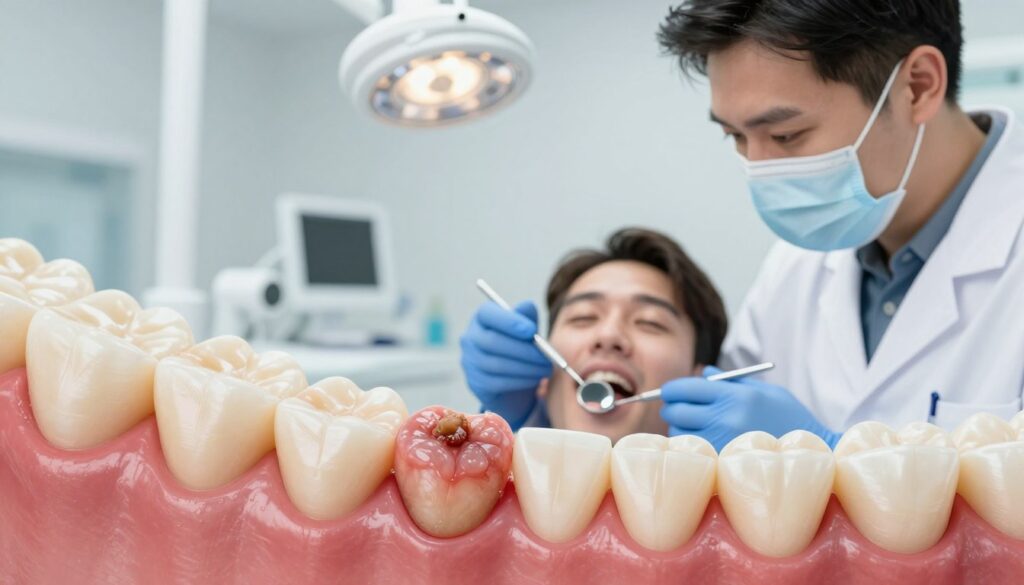
If bad breath won’t go away, even with good oral care, it’s time to see a dentist. Persistent bad breath can mean there’s a bigger problem that needs a dentist’s check.
Knowing when to ask for help is key to beating bad breath. If you brush and floss regularly but still have bad breath, it’s time to see a dentist.
Signs of Underlying Gum Disease
Gum disease is a common reason for bad breath. Look out for these signs:
- Persistent bad breath despite good oral hygiene
- Bleeding gums during brushing or flossing
- Swollen or tender gums
- Loose teeth or changes in the fit of your dentures
If you notice any of these, you need to see a dentist. Early treatment can stop things from getting worse.
Treating Chronic Halitosis with Professional Cleaning
Professional dental cleaning is a great way to fight chronic bad breath. Your dentist will:
- Remove plaque and tartar buildup
- Deep clean below the gum line
- Polish your teeth to remove surface stains
This deep clean can get rid of the bacteria causing bad breath. Regular cleanings can also stop bad breath from coming back.
Advanced Dental Procedures for Persistent Issues
For bad breath that won’t go away, you might need more serious treatments. These can include:
- Periodontal therapy for gum disease
- Dental restorations to fix issues like cavities or cracked teeth
- Oral surgery for more complex problems
Your dentist will suggest the best treatment for you. Fixing the root cause of bad breath can bring lasting freshness and confidence.
Lifestyle Changes That Impact Your Oral Microbiome
Changing your lifestyle can greatly affect your oral health. Your daily habits and choices are key to keeping your mouth fresh and healthy.
Smoking’s Impact on Breath Quality
Smoking harms your oral health a lot. It makes your mouth dry and raises the chance of gum disease. This is because smoking cuts down saliva, which helps clean your mouth.
Key Effects of Smoking on Oral Health:
| Effect | Description |
|---|---|
| Dry Mouth | Less saliva means more bacteria. |
| Gum Disease | Higher risk because of poor health and weaker immune system. |
| Bad Breath | Constant bad breath from too many bacteria. |
Managing Stress for Better Oral Health
Stress is also important for your oral health. High stress can cause teeth grinding, gum problems, and canker sores. Reducing stress with meditation, yoga, or deep breathing can help.
The Role of Sleep Quality in Oral Hygiene
Good sleep is also crucial for your mouth. Bad sleep can make your mouth dry and weaken your immune system. This makes you more likely to get oral infections.
By quitting smoking, managing stress, and sleeping better, you can improve your oral health. This helps keep your oral microbiome balanced.
Common Mistakes That Sabotage Your Breath
Some daily habits might be ruining your breath without you realizing it. Keeping your mouth clean is key, but avoiding common mistakes is just as important.
🚨 Still Struggling With Bad Breath?
Discover what might be causing it and how to fix it properly.
🔎 Read the Complete GuideOver-Brushing and Its Negative Effects
Brushing your teeth is essential, but too much can harm your gums and teeth. It can cause gum recession and damage the enamel, making teeth more prone to decay. Also, using too much force or a hard-bristled toothbrush can irritate your gums and make them bleed.
Gentle brushing with a soft-bristled toothbrush is recommended to keep your gums and teeth healthy. The American Dental Association advises brushing for two minutes, twice a day, with fluoride toothpaste.
Ignoring the Importance of Replacing Your Toothbrush
Not replacing your toothbrush often can make brushing less effective. Over time, the bristles wear out, and old toothbrushes can harbor bacteria. This bacteria can then spread to your mouth.
| Toothbrush Condition | Effectiveness | Recommendation |
|---|---|---|
| New | High | Replace every 3-4 months |
| Worn Bristles | Low | Replace immediately |
| After Illness | Variable | Replace to prevent reinfection |
Neglecting Hard-to-Reach Areas in the Mouth
Areas like the back sides of your molars and your tongue’s surface are perfect for bacteria. Ignoring these spots can lead to bad breath due to bacteria and food buildup.
Using an antibacterial mouthwash can help clean these hard-to-reach spots. Tongue scraping daily can also cut down on bacteria that cause bad breath.
Conclusion
Dealing with bad breath can be tough and make you feel alone. But, it’s a common problem you can solve. By keeping up with good oral hygiene and fresh breath habits, you can keep your mouth healthy.
In this article, we’ve looked at many ways to keep your breath fresh. We’ve talked about how to improve your dental routine and what foods to eat. These steps can help you have a healthier, fresher smile.
Having fresh breath is more than just feeling good about yourself. It shows you care about your oral health. By sticking to your oral care routine and making smart choices, you’re on the path to a healthier life.
# Top Dentist‑Recommended Habits for Fresh Breath – Proven Tips from Experts
Maintaining fresh breath is key to your health. It’s the first thing people notice when you speak. Chronic bad breath can hurt your self-confidence. By following the best dental hygiene routine, you can keep your mouth clean and healthy.
This guide will show you how to get rid of bad breath for good. We’ll cover quick fixes and long-term habits to keep your breath fresh.
## Understanding the Science of Oral Malodor
### Identifying the Primary Causes of Halitosis
Bad breath usually comes from the mouth. But it can also signal health problems. Volatile sulfur compounds (VSCs) are the main culprits. They form when food and dead cells break down in your mouth.
### The Role of Bacteria in Your Oral Cavity
Your mouth has many bacteria, some good, some bad. Anaerobic bacteria, which don’t need oxygen, cause odors. They live in your gums and tongue, eating protein and making smelly byproducts.
### Why Morning Breath Occurs and How to Manage It
Your breath is worst in the morning. This is because saliva production drops while you sleep. Without saliva, bacteria multiply fast. To fight this, drink water before bed and clean your mouth well at night.
## Mastering Your Daily Dental Hygiene Routine
### The Proper Technique for Brushing Your Teeth
Brush for at least two minutes, twice a day. Use a soft-bristled brush and hold it at a 45-degree angle. Use short, circular strokes to clean your teeth without damaging them.
### Why Flossing is Non-Negotiable for Freshness
Brushing only cleans about 60% of your teeth. flossing removes plaque from the rest. Use Glide dental floss or a Waterpik water flosser daily to keep your breath fresh.
### Selecting the Right Toothpaste for Your Needs
Not all toothpastes are the same. Look for ones with stannous fluoride or zinc to fight bad breath. Crest Pro-Health or Sensodyne are good options.
## Essential Fresh Breath Habits for Long-Term Success
### Consistency in Your Oral Care Schedule
Consistency is key to fresh breath. Skipping cleaning allows plaque to harden, making it hard to remove. This creates a home for smelly bacteria.
### The Importance of Regular Dental Checkups
Visit your dentist at least twice a year. Cleanings remove plaque and tartar, and your dentist can spot gum disease early.
### Monitoring Changes in Your Breath Over Time
Your breath can show health issues. If your breath changes, it might be a sign of a problem. See your dentist if you notice a change.
## Techniques to Get Rid of Bad Breath Instantly
### Using Sugar-Free Gum to Stimulate Saliva
Chew sugar-free gum with xylitol to freshen your breath. This stimulates saliva, which washes away acids and food particles.
### Quick Rinsing Methods for On-the-Go Freshness
Rinse with water after eating to reduce debris. For extra freshness, use a travel-sized Listerine for 30 seconds.
### The Benefits of Portable Dental Kits
Carry a portable kit with a toothbrush, floss, and interdental brushes. This keeps your standards high even when you’re busy.
## How to Get Rid of Bad Breath Permanently at Home
### Establishing a Sustainable Nighttime Routine
Clean your mouth before bed to prevent bacteria growth. Brush, floss, and scrape your tongue every night.
### Natural Remedies That Support Oral Health
Drink green tea for its antibacterial properties. Chewing on fresh parsley can also help. But remember, these are supplements, not replacements for regular care.
### Tracking Your Progress with Self-Assessment
Check your breath by licking your hand and smelling it. You can also use unscented floss to check for odor. Improving over time means your routine is working.
## The Role of Tongue Cleaning in Breath Freshness
### Why Bacteria Accumulate on the Tongue
The tongue’s surface traps bacteria and food. This “coating” is a common source of bad breath.
### Choosing Between Tongue Scrapers and Brushes
Use a dedicated tongue scraper for better results. Scrapers remove biofilm more effectively than toothbrush bristles.
### Step-by-Step Guide to Effective Tongue Cleaning
Place the scraper at the back of your tongue and pull it forward. Rinse and repeat until you’ve cleaned the entire surface. This can reduce VSCs by up to 75%.
## Choosing the Right Mouthwash and Dental Products
### Alcohol-Free vs. Alcohol-Based Rinses
Alcohol-based rinses may sting but can dry out your mouth. Alcohol-free options like TheraBreath are better for long-term use.
### Ingredients to Look for in Breath-Freshening Products
Look for chlorine dioxide or zinc gluconate. These ingredients neutralize sulfur compounds, not just mask odors.
### Avoiding Products That Cause Dry Mouth
Stay away from products with harsh detergents like SLS if you have canker sores or dry mouth. These can irritate your mouth and reduce saliva effectiveness.
## Dietary Adjustments to Naturally Improve Breath
### Foods That Act as Natural Breath Fresheners
Crunchy fruits and vegetables like apples and carrots help remove plaque. They also increase saliva production.
### Identifying and Limiting Odor-Causing Foods
Garlic, onions, and spicy foods can affect your breath for up to 24 hours. Limiting these foods is important for fresh breath.
### The Impact of Sugar and Acid on Breath
Sugary snacks fuel bacteria in your mouth. This leads to acid production, tooth decay, and bad breath. Reduce your intake of soda and candy.
## Hydration Strategies to Combat Dry Mouth
### The Connection Between Saliva and Fresh Breath
Saliva is your mouth’s best defense. It kills bacteria and strengthens teeth. A dry mouth is often smelly.
### Optimal Water Intake for Oral Health
Drink at least eight glasses of water a day. Sipping water keeps your mouth moist and rinses away food particles.
### Managing Dry Mouth Caused by Medications
Many medications can cause dry mouth. Use a saliva substitute like Biotene to keep your mouth moist.
## Addressing How to Eliminate Bad Breath from Stomach Issues
### Recognizing Signs of Gastrointestinal Origins
If your breath smells bad despite good oral care, it might be from your stomach. Conditions like GERD or H. pylori infections can cause this.
### When to Consult a Gastroenterologist
If you have heartburn, bloating, or frequent indigestion, see a specialist. Treating the gut issue can solve the bad breath problem.
### Lifestyle Adjustments for Digestive Health
Eat smaller meals, avoid lying down after eating, and identify trigger foods. These changes can help manage stomach-related breath issues.
## Evaluating Tablets to Stop Bad Breath from Stomach
### How Probiotic Tablets Support Oral and Gut Health
Probiotic tablets, like *S. salivarius K12*, can help balance your mouth and gut bacteria. This crowds out bad bacteria and improves your breath.
### Understanding the Limitations of Over-the-Counter Solutions
Mints and digestive tablets are temporary fixes. They won’t cure chronic digestive issues. Use them as aids, not primary treatments.
### Consulting Professionals Before Starting Supplements
Before starting any supplements, talk to your healthcare provider. Ensure they won’t interfere with other medications or health conditions.
## When to Seek Professional Dental Intervention
### Signs of Underlying Gum Disease
If your gums bleed or look swollen and red, you might have gum disease. This creates pockets for bacteria, causing bad breath.
### Treating Chronic Halitosis with Professional Cleaning
A deep cleaning can remove bacteria and tartar causing chronic bad breath. This gives you a clean start to maintain your breath.
### Advanced Dental Procedures for Persistent Issues
In some cases, laser therapy or antimicrobial treatments may be needed. These can eliminate stubborn bacteria in your gums.
## Lifestyle Changes That Impact Your Oral Microbiome
### The Effects of Smoking on Breath Quality
Smoking leaves chemicals in your mouth and dries out your tissues. It also increases gum disease risk. Quitting is the only way to solve “smoker’s breath.”
### Stress Management and Its Oral Health Implications
High stress can change your saliva and lead to bad habits like mouth breathing. These can negatively affect your breath.
### Sleep Quality and Its Role in Oral Hygiene
Mouth breathing during sleep dries out your mouth. Improving your sleep can help your morning breath.
## Common Mistakes That Sabotage Your Breath
### Over-Brushing and Its Negative Effects
Brushing too hard or often can damage your enamel and gums. This creates places for bacteria to hide, ruining your efforts.
### Ignoring the Importance of Replacing Your Toothbrush
Replace your toothbrush every three months. Old brushes are less effective and can harbor bacteria.
### Neglecting Hard-to-Reach Areas in the Mouth
Most people focus on the front teeth. But the back molars and tongue are where bacteria hide. Make sure to clean these areas well.
## Conclusion
Getting and keeping fresh breath is a long-term effort. It requires a good dental routine, healthy eating, and understanding your body’s health. By following these tips, you can eliminate bad breath and feel confident with a clean mouth.
## FAQ
### Q: What is the best dental hygiene routine for long-lasting freshness?
A: Brush for two minutes twice a day with fluoride toothpaste. Floss every night and use a tongue scraper. Consistency is key to preventing bad breath.
### Q: How to get rid of bad breath instantly before a meeting?
A: Chew sugar-free gum with xylitol to stimulate saliva. Rinse your mouth with water or an alcohol-free mouthwash. Use a portable interdental pick to remove food debris.
### Q: Is there a way for how to get rid of bad breath permanently at home?
A: To get rid of bad breath at home, focus on a thorough nighttime cleaning. Stay hydrated and use a tongue scraper daily. This will reduce bacteria in your mouth.
### Q: I have digestive issues; how to eliminate bad breath from stomach origins?
A: For stomach-related bad breath, manage acid reflux or gut imbalances. Avoid trigger foods, eat smaller meals, and see a doctor. Oral probiotics can also help.
### Q: Do tablets to stop bad breath from stomach issues actually work?
A: Yes, tablets with probiotics or activated charcoal can work. Probiotics crowd out bad bacteria, while charcoal absorbs gases. They’re best with a healthy diet.
### Q: Can mouthwash actually make my breath worse?
A: High-alcohol mouthwashes can dry out your mouth. This reduces saliva, which kills bacteria. Use alcohol-free rinses instead.
### Q: How often should I replace my toothbrush to maintain fresh breath?
A: Replace your toothbrush or power brush head every three months. Frayed bristles are less effective and can harbor bacteria.
Medical Disclaimer: This content is for informational purposes only and does not replace professional dental or medical advice. Always consult a qualified healthcare provider.
📚 Recommended for You (50)

Adele Smith is a health and wellness researcher specializing in natural solutions for vision care, nutrition, and healthy aging.
For several years, she has studied the relationship between lifestyle, dietary supplements, and long-term eye health. Her work focuses on helping readers understand natural approaches that may support vision and promote overall wellness.
Through her articles, Adele shares research-based insights and educational health information designed to help readers make informed decisions about their well-being.